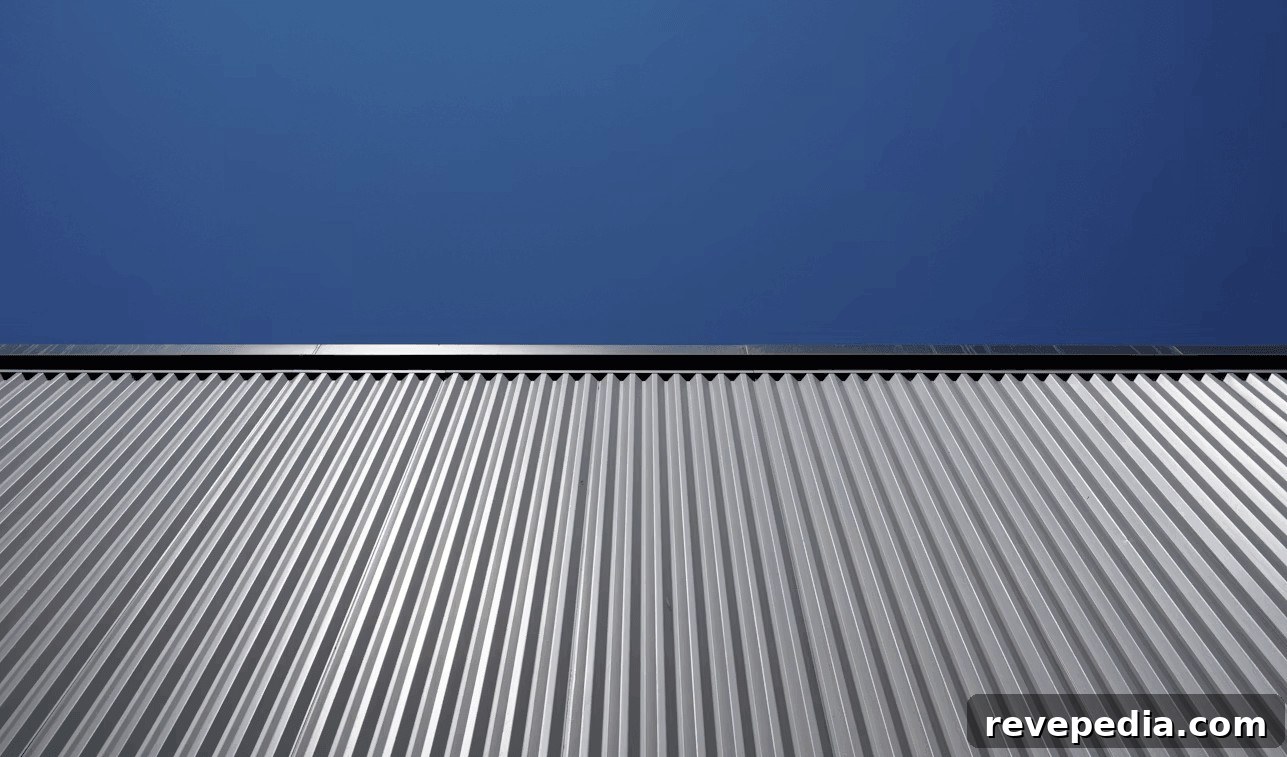
A metal roof is engineered for long-term performance, but its actual lifespan depends on many roof-specific conditions. From panel locking and fastening technique to drainage design and surface protection, every detail influences how long a metal roofing system remains effective. Exposure to weather, material selection, and installation quality all affect longevity. This article outlines the principal factors that determine the useful life of a metal roof and explains practical considerations for maximizing durability.
Roof Panel Locking and Fastening Accuracy
How metal panels are locked and fastened to the roof deck has a direct impact on system longevity. Fasteners, clips, and seam locks must be installed with precise alignment and consistent spacing so panels resist wind uplift, thermal movement, and vibration during storms. Correct fastening depth and placement prevent stress concentrations at joints and help avoid loosening over time. When panels are uniformly aligned and secured by experienced installers, the roofing system maintains stability through repeated weather cycles and thermal expansion.
Metal Sheet Thickness and Protective Surface Layers
Sheet gauge and protective coatings are central to metal roof durability. Thicker metal sheets better withstand hail, falling debris, and roof loads without denting or deforming. Protective coatings—such as anti-corrosion layers and UV-resistant finishes—preserve the metal surface and slow degradation from sunlight and moisture. Edge seals applied to cut panel sections prevent corrosion where the protective layer is interrupted.
Important material considerations include:
- Appropriate sheet thickness for wind and load resistance
- Durable anti-corrosion coatings at seams and exposed edges
- UV-resistant topcoats to reduce surface breakdown
- Proper edge sealing to protect cut panel areas
Each of these elements reduces long-term surface fatigue and contributes to a longer service life for the roof.
Roof Slope Design and Water Drainage Efficiency
Roof slope strongly affects how quickly rainwater and melting snow shed from the roof. A well-calculated pitch prevents water from pooling near seams, flashings, or valleys, minimizing the risk of leaks. Efficient drainage reduces prolonged exposure of critical junctions to moisture and lowers pressure on fasteners and edge details. Conversely, poor slope design or blocked drainage paths can accelerate material wear and increase the likelihood of water intrusion. Properly engineered roof pitch supports long-term structural integrity.
Roof Flashing and Joint Protection Zones
Flashing around chimneys, vents, skylights, and roof perimeters represents some of the most vulnerable areas on a metal roof. These transition zones require robust sealing and correctly designed overlaps to prevent water penetration beneath panels. If flashing is improperly installed or becomes unsecured, moisture can travel under the panels and damage underlayers, insulation, and the roof deck. Using reinforced sealing materials and following best-practice overlap details extends protection at these junctions and supports overall roof longevity.
Inspection Cycles and Routine Maintenance
Regular inspections are essential for spotting early signs of wear—loose fasteners, sealant deterioration, alignment shifts, or minor surface damage—before they escalate. Professional roof inspections evaluate panel attachment, flashing condition, drainage efficiency, and signs of corrosion. A qualified metal roof contractor can identify stress points caused by thermal expansion or weather exposure and recommend timely repairs or adjustments. Establishing a consistent maintenance schedule helps preserve the roof’s performance season after season.
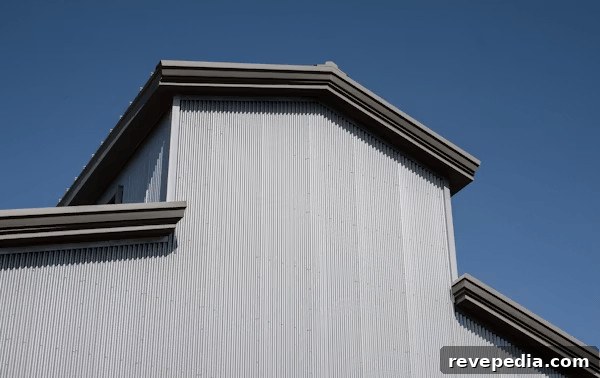
System Integration and Professional Installation
A metal roof performs best when all components work together as an integrated system. Longevity depends on thoughtful design, high-quality materials, and workmanship that addresses site-specific weather conditions. Professional installers ensure correct panel alignment, fastening patterns, flashing installation, and finish application. Their expertise in selecting compatible materials and following manufacturer guidelines reduces the risk of premature failure and maintains warranty compliance.
In summary, the lifespan of a metal roof is not determined by a single factor but by the combined performance of panel installation, material quality, drainage design, flashing integrity, and maintenance practices. Prioritizing careful design and regular professional inspections, and choosing durable coatings and appropriate sheet thickness, all contribute to a longer-lasting metal roof and better protection for the building over time.