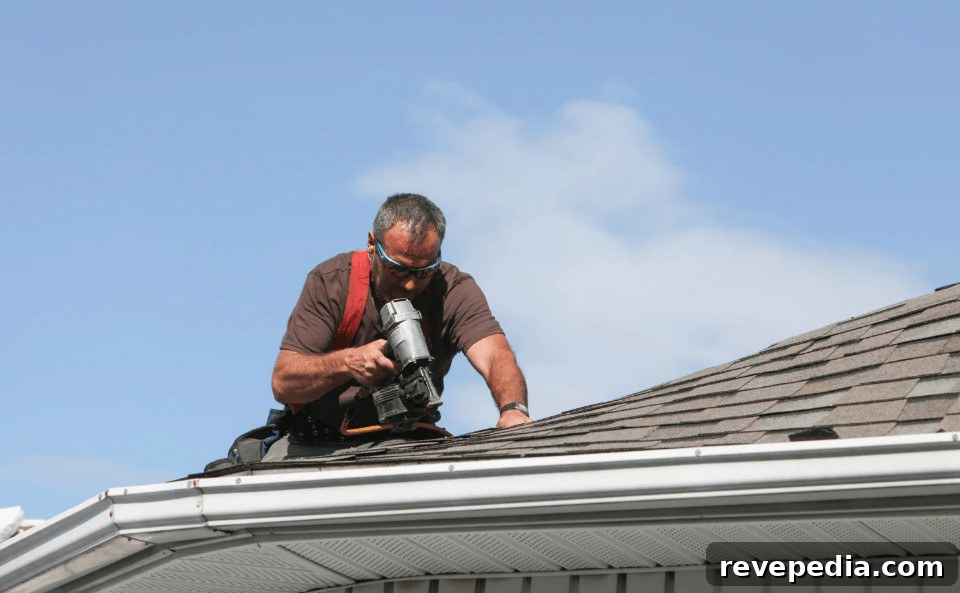
A durable roof is essential to keep your home safe, comfortable, and energy-efficient year-round. Regular roof maintenance prevents small problems from becoming costly repairs and helps your roof last longer. This guide outlines practical, easy-to-follow roof care tips for homeowners so you can protect your investment and avoid unexpected damage.

Clear Leaves, Needles, and Debris Regularly
Pine needles, fallen twigs, and other organic debris tend to collect on roof slopes after storms. When wet material accumulates, it creates shaded, damp patches that hold moisture against shingles, which can eventually rot the roof decking. Remove loose buildup every few months using a soft-bristled broom or a leaf blower set to low power. If you must use a ladder, secure it properly and avoid stepping on fragile shingles—work from the eaves or use a roof harness when necessary.
Keeping roof surfaces clear allows sunlight and wind to dry trapped moisture quickly. Dry roofing materials perform better in high winds and are less likely to develop mold or decay. Routine debris removal is one of the most cost-effective ways to extend the life of your roofing system.
Inspect the Attic Frequently
Attic inspections are a first line of defense against hidden leaks. Look for dark stains or wet spots on rafters and insulation, which often indicate water penetration through the roof above. Sagging insulation, localized dampness, or signs of nesting pests can also point to ventilation or leak problems.
Check the attic at least twice a year during daylight hours when you can clearly see stains and daylight coming through potential gaps. Dry insulation and clear air pathways from soffit to ridge are essential. If you find discoloration or damp areas, have a qualified roofing professional evaluate and repair leaks promptly to prevent mold and structural damage.
Trim Tree Branches That Overhang the Roof
Trees close to the house can physically damage shingles and create routes for pests. Branches rubbing on the roof strip protective granules from asphalt shingles, and broken limbs can fall and damage roofing or siding during storms. Keep branches trimmed back 6 to 10 feet from the roofline to reduce friction, shading, and debris buildup.
For large limbs or trees near high roof peaks, hire a licensed arborist. Professional trimming reduces risk and ensures climbers use proper safety gear, while protecting your roof from preventable wear and impact damage.
Maintain Gutters and Downspouts
Gutters direct rainwater away from your home. When clogged, gutters overflow, saturating siding and foundations, and in cold climates they can form ice dams that lift shingles and allow water underneath. Clean gutters in spring and autumn to maintain proper drainage.
Follow three basic gutter maintenance steps: scoop out packed leaves and sediment, flush downspouts with a garden hose to confirm unobstructed flow, and tighten loose brackets to preserve the correct pitch toward drains. Well-maintained gutters protect the roof edge, fascia, and foundation from water damage.
Remove Algae and Stains Safely
Dark streaks on shingles are often caused by algae or mildew. These stains absorb heat, which can increase cooling demands on warm days. Avoid harsh chlorine bleach solutions that can corrode metal flashing and harm landscaping through runoff. Instead, use oxygen-based, roof-safe cleaning agents and apply them on cloudy days so the solution remains wet long enough to work.
Gently scrub with a medium-bristle brush on an extension pole and rinse thoroughly. Proper cleaning restores curb appeal without damaging shingles or nearby plants.
Wash Shingles on an Appropriate Schedule
Dust, pollen, and biological growth accumulate over time and contribute to degradation. Deep cleaning every 1–3 years is generally sufficient; washing too often can wear away the protective mineral granules on asphalt shingles. Use soft-washing techniques and avoid high-pressure sprayers that can lift shingles or damage seams.
Gentle water flow and mild cleaners remove grime while preserving the shingle surface. Space out major cleaning projects to protect the roof’s protective layer and extend service life.
Inspect Flashing and Pipe Seals
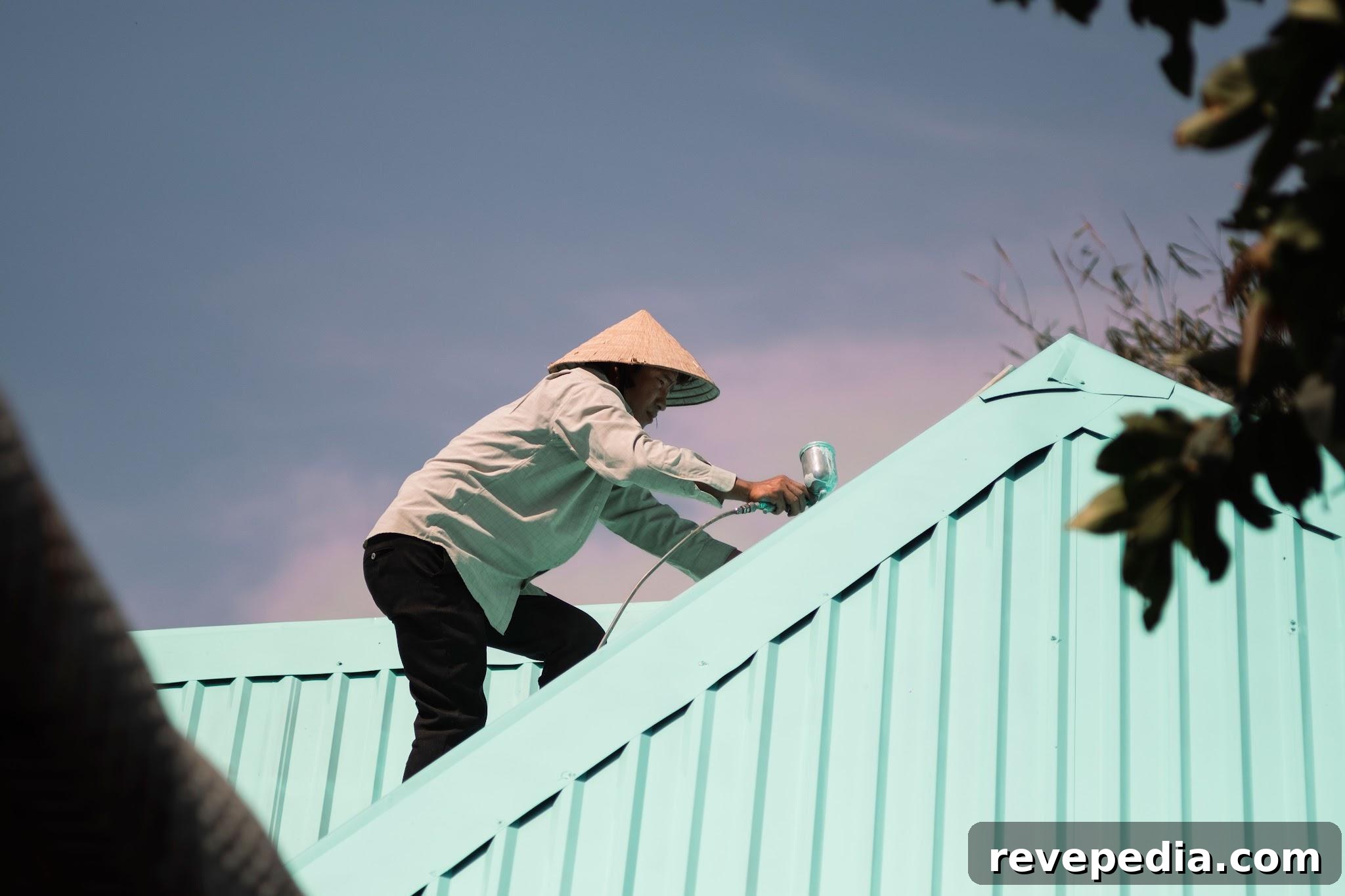
Metal flashing and rubber pipe boots are critical to keeping water out at roof penetrations and transitions. Look for rust on flashing, cracks in rubber collars, and gaps or peeling caulk along seams. These common defects allow moisture to enter and cause hidden damage.
Replace cracked pipe boots, re-caulk where needed, and repair or replace corroded flashing promptly. Proper sealing around vents, chimneys, and valleys preserves the integrity of the roof underlayment and interior ceilings.
Prepare for Storms and High Winds
Strong winds can lift loose shingles or tear off sections of roof if fastenings are compromised. After storms, inspect your roof from the ground using binoculars to spot missing tiles, bent metal trim, or lifted edges. Addressing minor damage quickly helps prevent water intrusion and larger repairs.
Keep a few matching shingles on hand for emergency patching. Small replacements are often quick to complete and limit further damage during subsequent weather events.
Balance Insulation and Ventilation
Effective attic ventilation keeps temperatures close to outside levels and helps prevent heat buildup that accelerates shingle aging. Poor ventilation can also contribute to ice dams in winter: heat from the attic melts upper roof snow, which refreezes at colder eaves and forces water under shingles.
Ensure soffit intake vents are clear of blocked insulation and that ridge vents remain unobstructed so warm air can escape. A balanced ventilation system lowers energy costs and protects roofing materials and decking from premature failure.
Consistent, seasonal roof maintenance protects your home from surprises and preserves property value. Spending a few hours each season on inspections, cleaning, and minor repairs keeps your roof reliable and helps avoid expensive emergency work. Proactive homeowners enjoy drier interiors, lower repair bills, and the peace of mind that comes from a well-maintained roof.