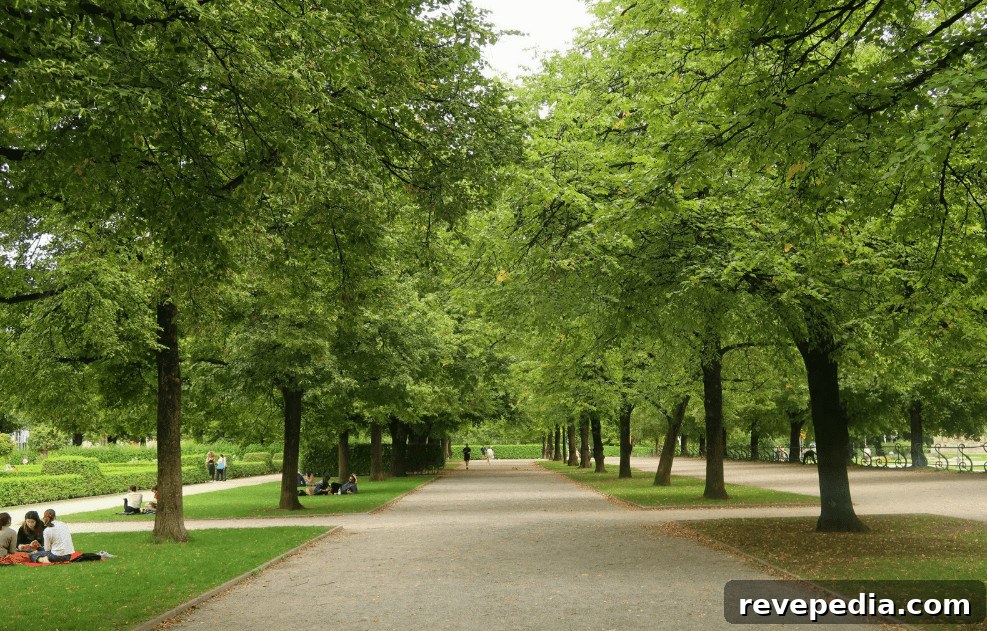
Healthy urban trees do much more than beautify neighborhoods. They provide shade, improve air quality, protect property, and contribute to healthier, more sustainable communities. For homeowners, tending the trees on and around their property is an investment that enhances curb appeal, increases home value, and creates a safer outdoor environment. Whether through routine pruning and inspection or by hiring professional tree services, preserving tree health ensures these benefits continue for years. Even mature trees can decline without proper care, diminishing their ability to support both the immediate landscape and the broader urban ecosystem.
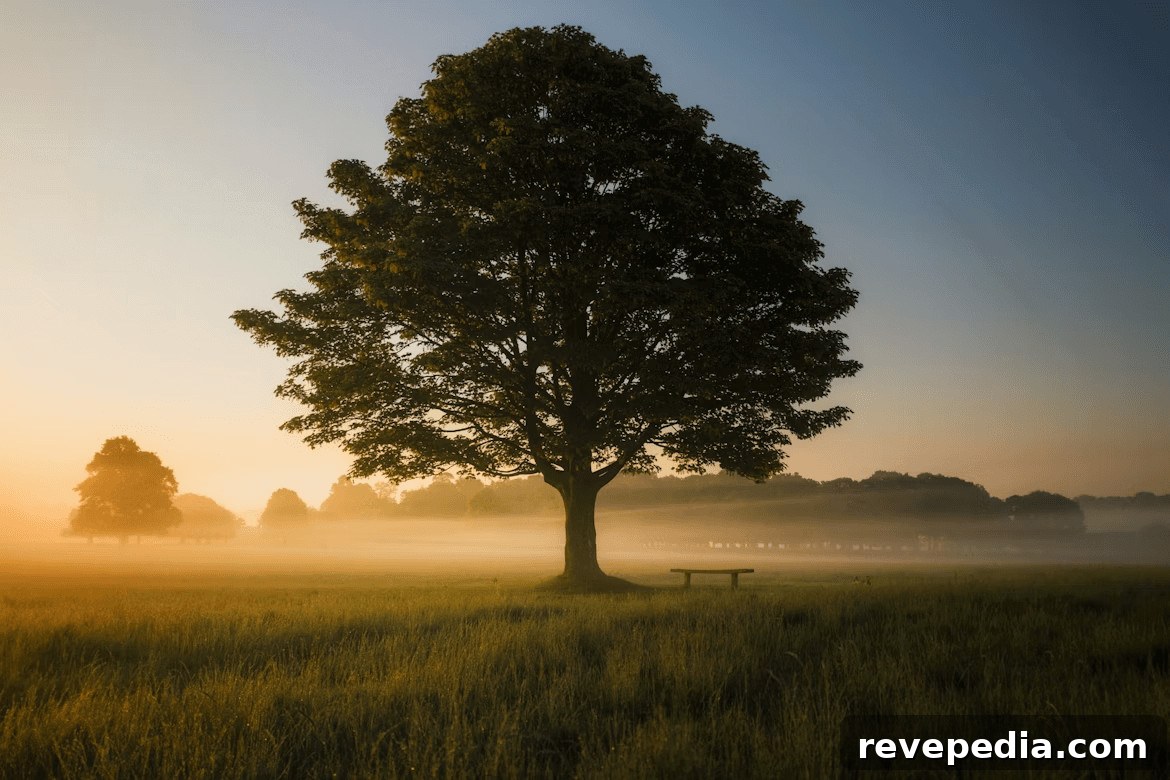
The Environmental Benefits of Urban Trees
Urban trees play a vital role in cleaning the air. Their leaves and bark trap airborne particles and other pollutants while photosynthesis removes carbon dioxide and releases oxygen — a natural process that helps reduce greenhouse gas concentrations in growing cities. This filtering effect is especially important in densely populated or industrial areas, where air quality can significantly affect public health.
In addition to improving air quality, trees moderate urban temperatures by providing shade and releasing water vapor through transpiration. This cooling effect reduces the urban heat island phenomenon, where built environments become substantially warmer than surrounding rural areas. Lower surface and air temperatures decrease the energy demand for cooling buildings, which can reduce electricity consumption and associated emissions.
Supporting Biodiversity in City Environments
Trees are essential habitats in urban landscapes. Their canopies and trunks support birds, insects, pollinators, and small mammals, offering shelter, nesting sites, and food resources. Even a single well-placed tree can increase the biodiversity of a neighborhood, helping sustain a variety of species despite surrounding development.
Below ground, tree roots contribute to healthier soil by supporting beneficial microorganisms, improving soil structure, and reducing erosion. Root systems retain water and slow runoff, which helps prevent flash flooding and reduces pressure on urban drainage systems. These soil and water management functions are crucial for cities facing intense storms or changing precipitation patterns.
The Importance of Regular Tree Maintenance
Trees deliver many benefits only when they are kept healthy and structurally sound. Regular maintenance — including pruning, health inspections, pest and disease management, and timely removal of hazardous limbs — keeps trees safe and productive. Neglected trees can become liabilities, threatening people, property, and infrastructure.
Professional care allows early detection of disease, decay, or structural weaknesses before they become major problems. Addressing issues promptly can save a tree, reduce the need for costly removals, and extend the tree’s useful life. A proactive maintenance strategy emphasizes conservation and long-term health over reactive replanting, supporting sustainable urban forestry practices.
Urban Trees and Community Well-Being
Green streets and parks enhance quality of life. Access to trees and green spaces reduces stress, improves mental health, and encourages outdoor activity, all of which contribute to stronger, healthier communities. Attractive tree-lined streets and well-maintained yards also foster neighborhood pride and increase social interaction among residents.
There are economic benefits as well: mature, healthy trees can raise property values and make commercial areas more appealing to customers. Investing in tree care is therefore a long-term economic strategy in addition to an environmental and social one, reinforcing the value of integrating trees into urban planning and property management.
Sustainability Through Responsible Tree Management
Thoughtful urban planning that integrates trees with infrastructure is essential for resilient cities. Selecting appropriate species, ensuring correct spacing, protecting root zones during construction, and committing to ongoing care help trees thrive alongside development. These practices maximize the ecological and social returns of urban green infrastructure.
Community education and partnerships between residents, municipal agencies, and arboriculture professionals strengthen urban forests. When people understand how to care for trees and why they matter, collective stewardship grows. Cities that coordinate planting, maintenance, and preservation efforts build stronger, more sustainable tree populations that support climate resilience and community well-being.
Well-maintained urban trees deliver measurable benefits — cleaner air, cooler streets, richer biodiversity, and healthier neighborhoods. For homeowners and city planners alike, investing in responsible tree care protects property values and enhances public health while preserving vital ecosystem services for future generations.
Conclusion
Healthy trees are integral to vibrant, livable cities. They lower energy costs, support wildlife, increase property values, and make neighborhoods more pleasant places to live. Regular maintenance and thoughtful planning ensure these benefits endure. By investing in responsible tree care, homeowners and communities can safeguard their surroundings and contribute to greener, healthier, and more sustainable urban environments.