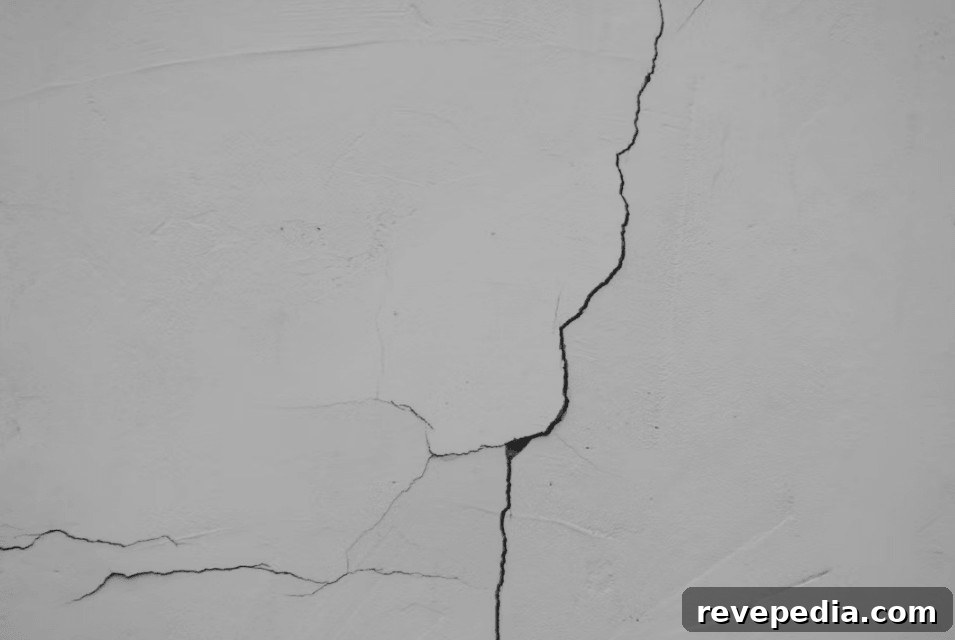
If you live in Tucson long enough, you’ll notice stucco cracks appearing on nearly every home in the neighborhood, including your own. That doesn’t necessarily mean poor construction. It’s the predictable outcome of a desert environment that places continuous stress on exterior finishes.
The important question isn’t whether stucco will crack here, but which cracks are merely cosmetic and which are early indicators of a larger problem that needs prompt attention.
Why Tucson’s Climate Makes Cracking Inevitable
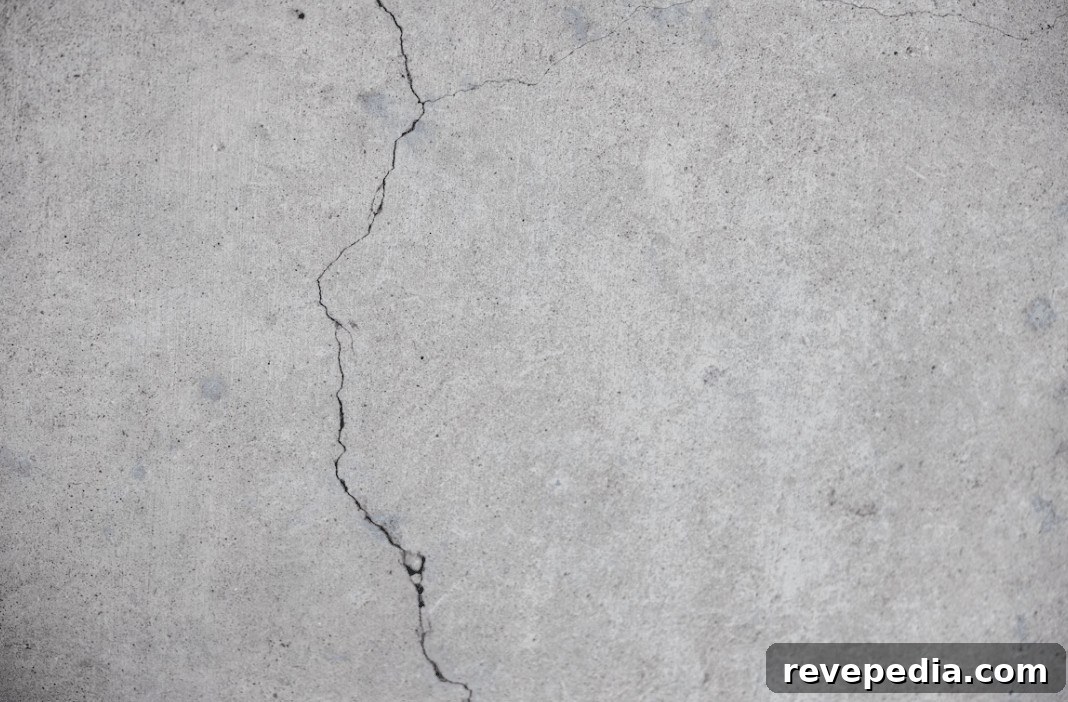
Tucson’s daily temperature swings are extreme; a 30–40 degree difference between morning lows and afternoon highs is common even outside the hottest months. Stucco expands as it heats and contracts as it cools, and that constant thermal cycling gradually stresses the material.
On top of thermal movement, monsoon season brings sudden heavy rainfall that can saturate the soil around foundations. Tucson’s caliche-rich soils don’t drain well, so the resulting soil movement transmits stress into walls. That stress often appears as cracks at corners, where foundation meets wall, and around windows and doors—locations where changes in wall geometry or material create natural weak points.
How to Distinguish Cosmetic Cracks From Warning Signs
Fine hairline cracks under about 1/8 inch that run in a mostly straight, thin line are usually cosmetic. Those are commonly caused by normal thermal expansion and contraction and can often be repaired with a quality elastomeric caulk or surface treatment.
Cracks wider than 1/8 inch, or cracks with a stair-step pattern that follow mortar joints, deserve closer inspection. These patterns often indicate more substantial movement from soil shifting or structural issues rather than just surface thermal stress.
Cracks that come with bulging, soft spots, or visible staining suggest a more serious problem: water intrusion that has already reached the base coat or the lath behind the stucco. These situations typically require timely professional intervention, because the damage usually extends beyond the visible surface and simple cosmetic patching won’t stop further deterioration.
Chalky white residue on the stucco surface—efflorescence—is mineral salt left behind when moisture moves through and evaporates from the material. Efflorescence is more than an aesthetic issue; it’s a clear sign that water is actively passing through the stucco system. Addressing the underlying moisture path is essential rather than just cleaning the surface residue.
Why Timing Is More Critical in Tucson
Hairline cracks that seem insignificant can still permit water and dust to enter. During monsoon season, sudden heavy rain can exploit even small gaps. Once water reaches the base coat or lath beneath the finish, damage compounds quickly. A modest repair costing roughly $150 to $300, addressed promptly, can prevent what might otherwise become a multi-thousand-dollar water-damage repair or full re-stucco job if left through one or two monsoon cycles.
Elastomeric Coatings Require More Frequent Attention
Many Tucson homes use an elastomeric finish—flexible paints or coatings designed to bridge fine cracks and provide a degree of waterproofing. However, Tucson’s high UV exposure accelerates the breakdown of these coatings compared with more temperate climates.
A coating that might hold up 8–10 years elsewhere often needs reapplication every 5–7 years in Tucson. Once the coating deteriorates, previously bridged hairline cracks can reopen as pathways for moisture, even if the crack width hasn’t changed noticeably.
What a Proper Assessment Involves
A thorough stucco assessment goes beyond mapping visible cracks. A competent inspection checks for soft spots, bulging, staining, and efflorescence and seeks likely moisture paths. The goal is to determine whether isolated spot repairs will suffice or whether a more extensive restoration is required.
Accurate evaluation looks for signs beneath the surface as well as on it—testing for areas where the base coat or lath has been compromised, and assessing how water may be entering the wall assembly through penetrations, flashing failures, or at transitions around windows, doors, and foundations.
Getting a Reliable Read on Your Cracks
Because the line between cosmetic and structural stucco problems is not always obvious at a casual glance, investing in a professional assessment is a prudent step. The modest cost of an honest, experienced evaluation can prevent unnecessary repairs or, conversely, avoid the expense and damage that come from delaying needed corrective work.
When seeking stucco repair services in Tucson, look for contractors who begin with a clear, methodical inspection report that identifies both visible damage and potential moisture sources. That balanced approach helps homeowners distinguish normal desert-related cracking from true warning signs that warrant timely, targeted intervention.