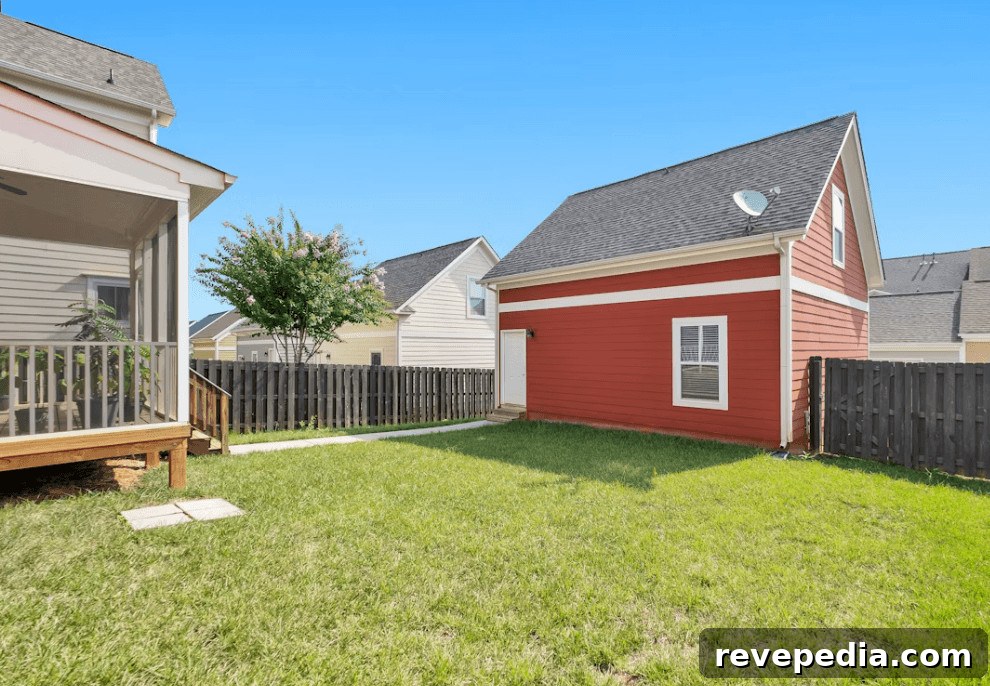
Every homeowner community has its own conversation about aging in place, and it usually begins the same way: a parent has a close call—nearly falling on the stairs or slipping while getting out of the tub—and the family suddenly scrambles to retrofit a house that was never built with those risks in mind. The better version of this story starts earlier, before the near-miss, with a calm walkthrough and an honest list of what needs to change to keep someone safe and independent.
Physical modifications to the home draw the most attention because they are tangible and visible, and they do matter. But those changes are far more effective when combined with consistent caregiving support. An experienced home health or personal care aide can help families prioritize modifications that actually reduce fall risk for a specific person. Caregivers who have worked in many homes can tell the difference between hazards that cause real accidents and features that merely look risky on paper.
The Modifications Worth Prioritizing
Some changes deliver more safety per dollar and should be prioritized. Installing grab bars near toilets and inside showers is one of the highest-value upgrades a home can get. Compared with a full bathroom renovation, grab bars are inexpensive yet dramatically reduce the chance of a bathroom fall. Converting showers to curbless or low-threshold entries removes a common tripping point and makes transfers easier for someone with limited mobility.
Small details matter too: swapping round doorknobs for lever-style handles makes doors much easier to open for people with arthritis or reduced hand strength, and the cost and disruption are minimal. Lighting upgrades are often overlooked, but they are crucial. Motion-sensor night lights along the route from bedroom to bathroom prevent many middle-of-the-night falls, while brighter, more even lighting throughout the home reduces shadows and glare that make depth perception difficult for aging eyes. These lighting changes are inexpensive, low-disruption, and highly effective.
Why the Yard Matters Just as Much as the House
When planning for safety, many homeowners focus on the interior and forget outdoor risks. Uneven walkways, steps without handrails, poor landing surfaces, and garden beds that force frequent bending or kneeling all become significant hazards as mobility changes. Addressing walkways, adding handrails, improving drainage and traction, and creating raised garden beds can make yards safer and allow people to keep using outdoor spaces they enjoy.
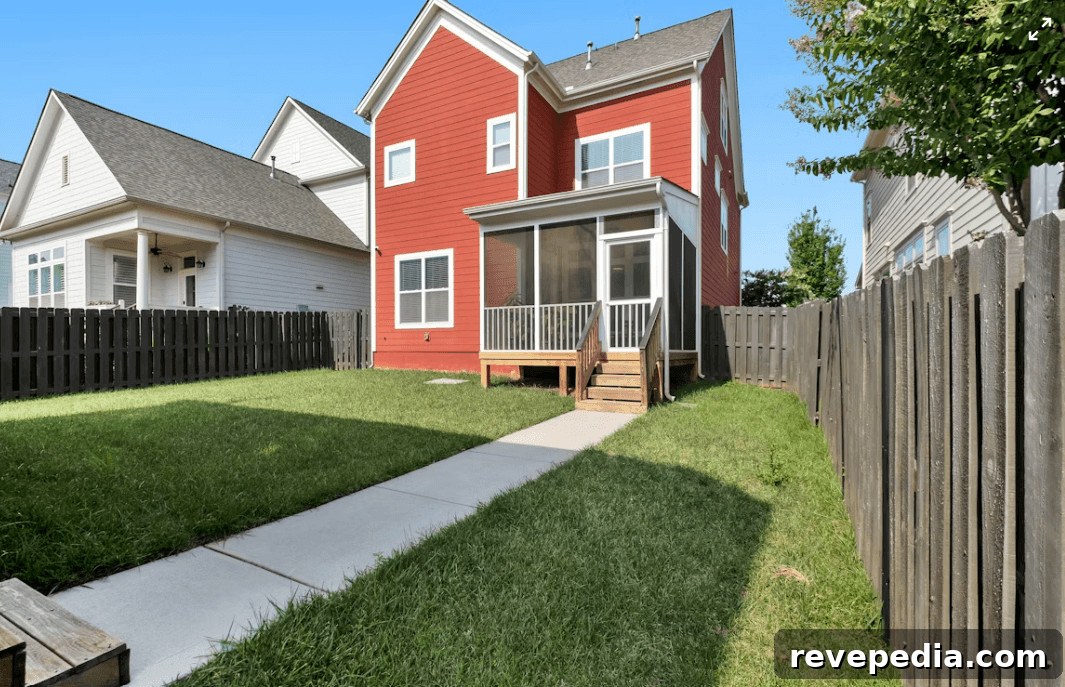
Thoughtful landscaping and pathway design can make a backyard an asset instead of a liability for someone aging in place. Simple adjustments—smoothing uneven paving, adding slip-resistant surfaces, and ensuring clear sightlines—reduce fall risk and support mobility aids like walkers or rollators.
Why Demand for Home Care Keeps Growing
Home modifications are only half of a successful aging-in-place plan. The workforce trends on the caregiving side explain why demand continues to rise: home health and personal care aides are among the largest and fastest-growing occupations in the United States, and more families are choosing to adapt a home rather than move to institutional settings. Strong caregiver support makes modifications worthwhile by providing daily assistance, monitoring, and help with tasks that building changes alone cannot solve.
| Metric | Figure |
| Home health and personal care aides, current US workforce | ~4.3 million |
| Projected growth rate (2024 to 2034) | 17% |
| New home care jobs projected this decade | 681,000+ |
| Caregiver turnover rate (2024) | 75% |
That high turnover rate is an important factor when families decide how to allocate budgets between home renovations and caregiving. In reality, most households need both a practical modification plan and reliable caregiver support. Turnover and inconsistent care can undermine the benefits of even a well-adapted home, so planning for staffing stability is part of a durable aging-in-place strategy.
Sequencing the Work
Families tend to succeed when they sequence upgrades rather than trying to do everything at once. Begin with high-risk, low-cost actions—install grab bars, improve lighting, remove trip hazards and clutter—to quickly reduce the most dangerous daily risks. Then plan larger projects like full bathroom remodels, stairlifts, or major doorway widening. This staged approach addresses urgent safety needs immediately while giving time to choose and budget for bigger changes thoughtfully.
Include caregiving conversations in renovation planning rather than waiting until work is finished. A caregiver involved early can suggest practical changes homeowners might miss, such as rearranging kitchen storage so frequently used items are at a comfortable reach height. Contractors often focus on structural changes, while caregivers bring practical, daily-living insights that improve long-term usability.
A Home That Works for the Long Run
The aim of aging-in-place modifications is not to make a house look different, but to remove everyday risks and support safe independence. When physical changes are paired with reliable human support—consistent caregiving, clear routines, and smart planning—families can extend quality independent living and reduce emergency crises. Planning both pieces together, rather than treating home upgrades and caregiving as separate projects, delivers the best outcomes: safer daily life, fewer falls, and more years of comfortable independence in the home someone loves.