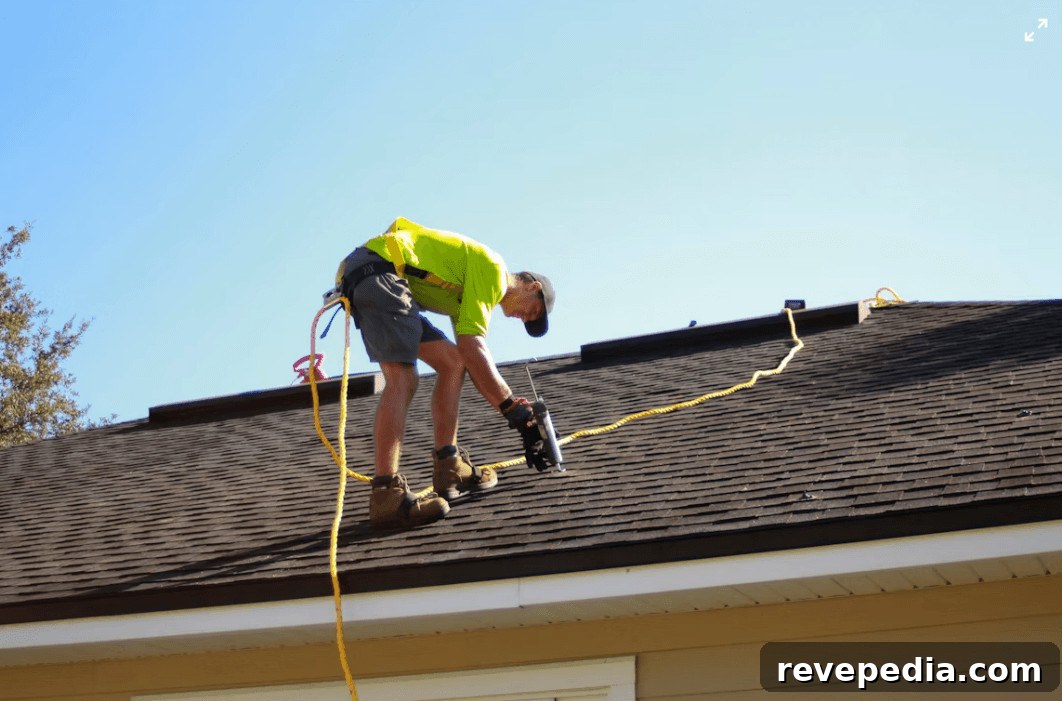
Replacing a residential roof is one of the most significant home maintenance projects a homeowner will face. A strong, well-installed roof protects your household from rain, wind, and severe weather year after year, so careful planning and informed decisions are essential.
Understanding common roofing materials, realistic timelines, and budget expectations reduces stress and helps you choose the best solution for your property. This guide walks through how to recognize wear, find qualified professionals, select materials, manage costs, prepare your property, and maintain your new roof long term.
Recognizing the Signs of Roof Wear
Shingles often show subtle signs of aging long before a major leak appears. Look for curled or buckling edges, dark streaks, and granules accumulating in gutters or downspouts—these indicate the shingles are losing their protective granules. A ground-level inspection with binoculars can reveal early damage safely.
Water stains on upper ceilings or rafters in the attic usually point to active leaks. Periodic attic checks for daylight showing through roof boards or damp insulation are valuable; both are clear indicators that the roof’s protective layers have been compromised.
Watch for these common warning signs:
- Curling, buckling, or cracked shingle tabs
- Excessive granule buildup in gutters and downspouts
- Rotted decking beneath the underlayment
- Missing or damaged flashings around chimneys, vents, and roof penetrations
Addressing small issues early often prevents far more costly interior water damage later.
Finding the Right Local Professionals
Selecting a reputable roofing contractor requires research and patience. Verify licenses, insurance, and local references to protect yourself from delays or liability. Reading local reviews and asking for referrals gives useful insight into a contractor’s workmanship and customer service.
Trustworthy contractors supply detailed written estimates that list material choices, labor costs, and project timelines. Clear, professional communication during the bidding process often reflects how the crew will treat your home during the project. Be wary of bids that are significantly lower than others—those can indicate inferior materials or shortcuts.
Ask about manufacturer warranties and workmanship guarantees. A solid warranty offers long-term protection for your investment. Keep all written agreements, change orders, and receipts in one organized folder for easy reference.
Selecting Materials for Your Home
Choosing roofing materials involves balancing durability, aesthetics, local climate, and budget. Asphalt shingles remain popular for their affordability and ease of installation. Metal roofing provides longer lifespans and strong resistance to wind and hail. Heavier options like clay tile or slate offer exceptional longevity but typically require reinforced roof framing, increasing the overall cost.
Installation pricing varies by region, material quality, and roof complexity. Roof pitch, number of penetrations, and the need for structural reinforcement all affect cost. Color selection also matters: lighter colors reflect more sunlight and can reduce cooling costs in hot climates, while darker shades absorb heat and can assist snowmelt in colder regions.
Managing Costs and Budget Expectations
Project cost depends on square footage, chosen materials, tear-off needs, and any structural repairs required. Older homes with multiple roof layers to remove add labor and disposal fees. Budgeting a contingency—commonly around 10 percent—helps cover hidden issues like rot discovered after tear-off.
Compare several written estimates to understand local market pricing. Financing options from lenders or contractor programs can make projects more affordable by spreading payments over time. If damage results from storms or sudden events, insurance may cover replacement costs; document exterior damage with clear photos and contact your agent promptly to start a claim.
Preparing Your Property for Installation Day
Preparing your property reduces delays and protects belongings. Keep driveways and yard areas clear for delivery trucks and dumpster placement. Move vehicles away from the work zone, protect gardens and outdoor furniture, and trim overhanging branches near the roofline.
Practical pre-construction steps include:
- Clearing driveways and walkways for dumpster and material staging
- Securing or removing fragile wall items and shelving to avoid vibration damage
- Trimming tree branches that could obstruct work or damage shingles
- Keeping pets and small children safely indoors during active work
Vibrations from hammering can shake interior items; remove breakables and inform neighbors about scheduled noisy work to maintain good relations.
Navigating the Construction Process
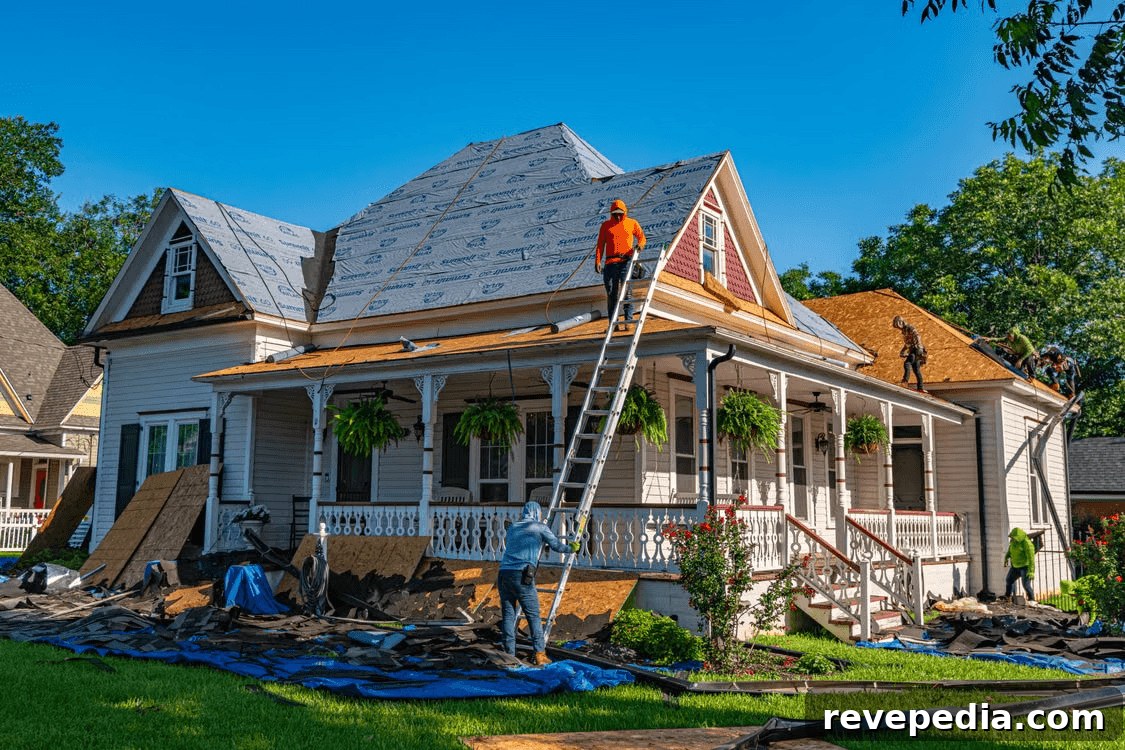
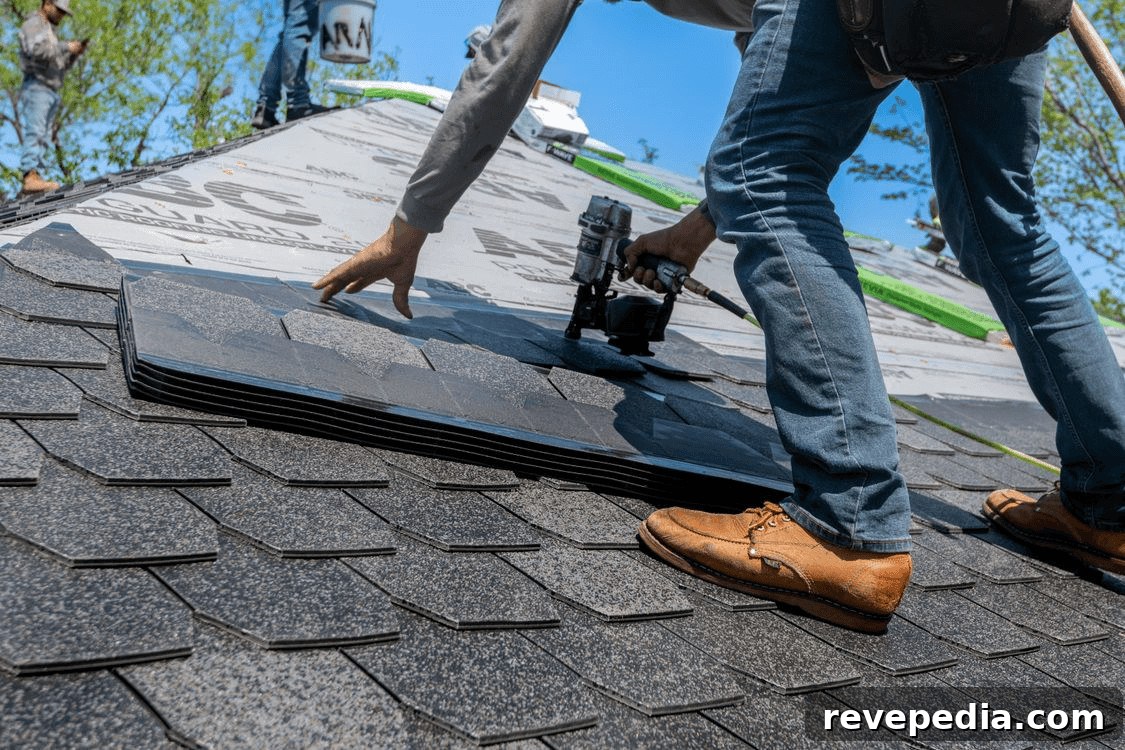
Most residential roof tear-offs and replacements finish within one to three days, depending on weather and any unexpected structural repairs. Crews remove old shingles and underlayment down to the decking, replace any damaged plywood, and install modern water barriers and drip edges before laying new shingles, working systematically from the eaves up to the ridge.
Professional crews prioritize safety and cleanliness—workers typically collect debris throughout the day and use magnetic tools to pick up stray nails from driveways and lawns. A final walkthrough confirms that work complies with local building codes and meets the homeowner’s expectations.
Combining Roofing Projects with Upgrades
A roof replacement is a convenient time to add upgrades that improve performance and efficiency. Installing ridge vents enhances attic ventilation and can lower cooling costs. Replacing gutters and downspouts during the same project ensures proper water management away from the foundation.
Coordinating energy upgrades—such as planning for solar panel mounts—during roof replacement can save money by avoiding separate mobilization and roof penetrations later. Adding extra attic insulation and choosing modern synthetic underlayments improve thermal comfort and leak protection. Performing small upgrades now often prevents duplicate labor costs in the future.
Maintaining Your Investment Long Term
Routine maintenance extends the life of any roofing system. Schedule inspections in spring and autumn to catch minor issues before they become serious. Keep trees trimmed away from the roofline to prevent physical damage and reduce debris accumulation.
Clean gutters regularly to avoid standing water along roof edges, which can rot fascia boards and damage lower shingle layers in freeze cycles. Have professionals clean gutters as needed to preserve proper drainage year-round.
Avoid using high-pressure washers on shingle surfaces—high pressure can remove protective granules from asphalt shingles and shorten their service life. Use gentle, eco-friendly cleaning methods to remove moss or algae without harming protective coatings.
Investing in a quality roof replacement protects your home, boosts curb appeal, and provides long-term peace of mind. Thoughtful planning, careful material selection, and consistent maintenance help ensure your roof will protect your home through every season.