Takeaways
- Prioritize safety before entering any water-damaged area.
- Stop the source of water if it is safe to do so.
- Document the damage thoroughly for insurance and restoration purposes.
- Remove excess water and protect valuables when possible.
- Contact a professional water damage restoration company immediately to begin drying and mitigation.
Water Damage Demands Immediate Attention
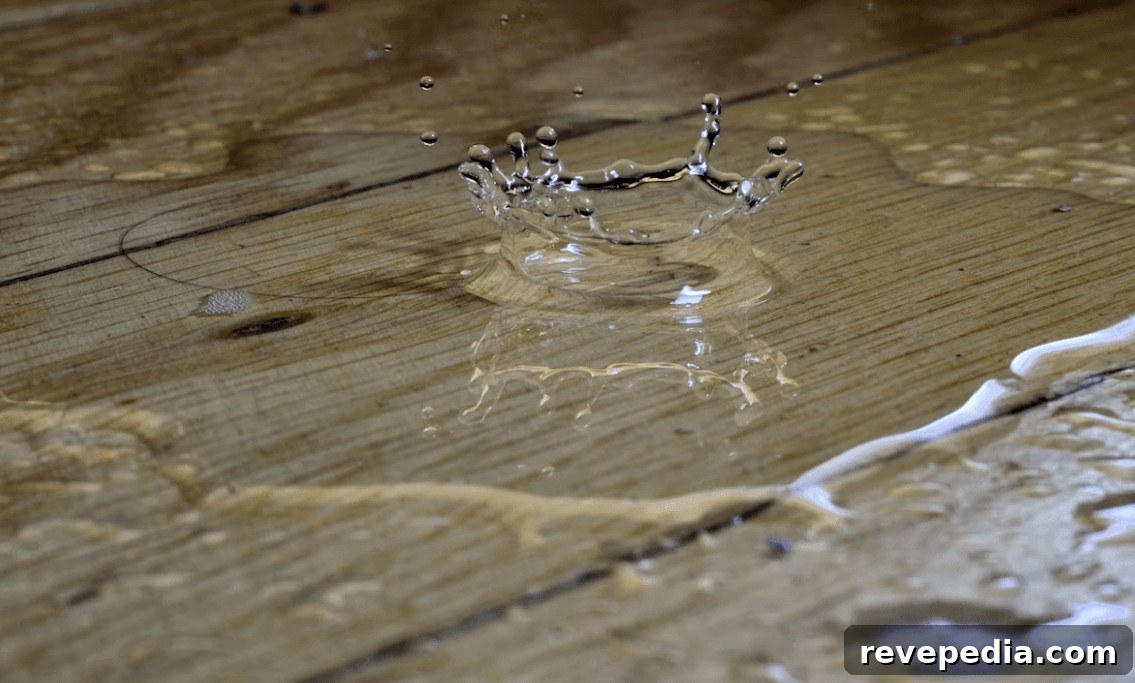
Water damage—from a burst pipe, heavy rain, a leaking appliance, or a failed sump pump—spreads far faster than most homeowners expect. In minutes, water can soak into flooring, drywall, furniture, and personal items. If left untreated, moisture penetrates building materials, increasing repair costs and raising the risk of mold growth and structural problems.
Removing visible water is only the first step. Moisture often remains hidden behind walls, under subfloors, and inside insulation. These pockets of dampness will continue to degrade materials long after surface puddles disappear.
Acting quickly is the most effective way to reduce repair expenses and protect your home. The first few hours are critical: the faster you respond, the better your chances of limiting long-term damage.
Professional restoration teams use commercial-grade equipment to remove standing water, dry affected materials, and detect hidden moisture that household fans and shop vacuums can’t eliminate. If you need fast water damage restoration services in Brookfield, contact a trained local restoration company that specializes in emergency water removal, structural drying, and mold prevention.
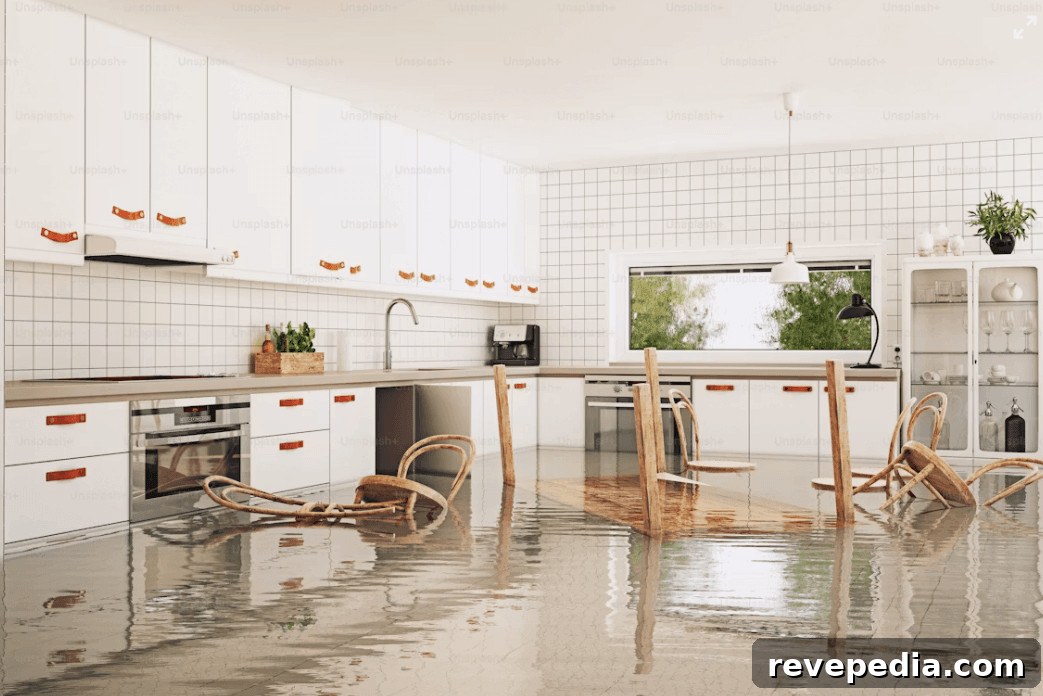
Image credit: Getty Images via Unsplash
Step 1: Put Safety First
Before you enter a water-damaged area, confirm it is safe. Water and electricity are a dangerous combination. If water reaches outlets, appliances, or the breaker panel, do not enter the area until an electrician or utility company confirms it’s safe.
Contaminated water—such as sewage backup or floodwater—can carry bacteria, chemicals, and other hazardous materials. These situations require specialized protective gear and professional cleanup. If you have any doubt about safety, wait for professional guidance rather than risking injury or exposure.
Step 2: Stop the Source of Water
If it is safe to do so, locate and stop the source of the water. Common sources include burst or leaking pipes, overflowing fixtures, appliance failures, roof leaks, water heater failures, and sump pump malfunctions. For plumbing-related leaks, turning off the home’s main water supply can prevent further flooding.
When weather or external flooding is the cause, prioritize personal safety and evacuate if necessary. Only attempt repairs if conditions are safe and you are confident in what you’re doing.
Step 3: Document the Damage for Insurance
Before moving items or beginning cleanup, take clear photos and videos of all affected areas. Thorough documentation supports insurance claims and establishes a baseline for professional restoration work.
Document the following:
- Standing water and the extent of flooding
- Damaged flooring, walls, and ceilings
- Wet drywall, insulation, and structural elements
- Damaged furniture, electronics, and personal belongings
- Visible water stains and material deterioration
Make an inventory of damaged items with estimated values, retain receipts for costly possessions when possible, and keep records of any temporary repairs or mitigation you perform.
Step 4: Remove Excess Water if It’s Safe
Removing standing water quickly reduces the time materials remain saturated. For small amounts of clean water, use towels, mops, buckets, or a wet/dry vacuum designed specifically for water extraction. Do not use standard household vacuums on wet surfaces.
Open windows and doors if conditions allow, and use fans to improve airflow while you wait for professionals. Keep in mind that these temporary measures remove surface water only—hidden moisture will likely remain and typically requires commercial drying equipment to fully address.
Step 5: Protect Furniture and Valuables
After addressing the immediate water source, focus on safeguarding undamaged items. When possible:
- Move furniture out of wet areas or elevate it on blocks.
- Place aluminum foil or wood blocks under furniture legs to prevent staining and moisture transfer.
- Remove rugs and hang wet fabrics to dry where airflow is good.
- Relocate important documents, electronics, and valuables to a dry, safe location.
Avoid repeatedly walking across wet carpet to prevent spreading moisture and embedding water deeper into padding.
Step 6: Begin Proper Drying and Dehumidification
Even after surface water is gone, moisture often remains inside structural cavities. Proper drying is essential to prevent material degradation and mold colonization. Professional restoration teams use commercial air movers, industrial dehumidifiers, and moisture meters to extract trapped water and confirm dryness.
While opening windows and using household fans can help in mild cases, these actions do not replace professional drying in more serious losses. Comprehensive drying minimizes the chance of recurring problems and supports a complete restoration of the affected areas.
Watch for Early Signs of Mold
Mold is a primary concern after water damage. Mold can begin growing within 24 to 48 hours when excess moisture persists. Once established, mold spreads behind walls, under floors, and through HVAC systems, making remediation more difficult and costly.
Early warning signs include musty odors, dark spots on surfaces, peeling paint or bubbling drywall, increased allergy symptoms, and visible discoloration around damp areas. Prompt drying and moisture control are the best defenses against mold growth.
Common Mistakes Homeowners Make
Certain well-intentioned actions can worsen water damage:
Delaying Professional Help
Water continues to migrate and be absorbed after the initial event. Waiting to call restoration professionals often leads to larger, more expensive repairs.
Assuming Visible Dryness Means Everything Is Dry
Surface dryness can be misleading. Hidden moisture in walls, under floors, and in insulation may persist and require professional equipment to detect and eliminate.
Discarding Damaged Items Too Soon
If you plan to file an insurance claim, document damaged items before disposing of them. Photographs and inventories ease the claims process.
Using Inadequate Household Equipment
Standard fans and small portable dehumidifiers are not sufficient for major water losses. Professional-grade equipment accelerates drying and reduces the risk of long-term damage.
When to Call a Professional Restoration Company
Contact a restoration company immediately for larger or more complex water damage. Seek professional help if:
- Multiple rooms are affected.
- Drywall or ceilings are saturated.
- Water has reached outlets or major appliances.
- There has been sewage backup or floodwater intrusion.
- Standing water has been present for several hours.
- Signs of mold appear, or the leak source is unclear.
Professionals can perform a full inspection, implement structural drying, and manage repairs while documenting the loss for insurance if needed.
Final Thoughts
Water damage is stressful, but quick, informed action reduces long-term consequences. Prioritize safety, stop the water source when possible, document all damage, protect salvageable items, and call experienced restoration technicians without delay. Remember that much of the damage can be hidden—professional inspection and drying are essential to fully restore your home and prevent future issues such as mold and structural deterioration.
Need Fast Water Damage Restoration in Brookfield?
In a water emergency, minutes matter. Whether the cause is a burst pipe, appliance failure, or flooding, immediate action can minimize loss. Working with qualified restoration professionals ensures your property receives the inspection, drying, and repair work required to restore your home and protect it from further damage.
Frequently Asked Questions
How quickly should I respond to water damage?
Immediately. Rapid water removal and drying greatly reduce structural damage and lower the risk of mold development.
Can I clean up water damage myself?
Small spills may be manageable, but significant water events generally require specialized equipment to remove hidden moisture and avoid long-term problems.
How long does restoration take?
Timelines vary by the extent of damage and the materials affected. Minor incidents may take a few days, while larger losses can require several weeks for drying, repairs, and restoration.
Will homeowner’s insurance cover water damage?
Coverage depends on the cause and your specific policy. Many restoration companies assist with documenting damage and communicating with insurers to support claims.
How can I reduce the risk of mold after water damage?
Remove standing water promptly, begin drying immediately, improve ventilation where safe, and hire professionals to ensure hidden moisture is eliminated and mold risk is minimized.