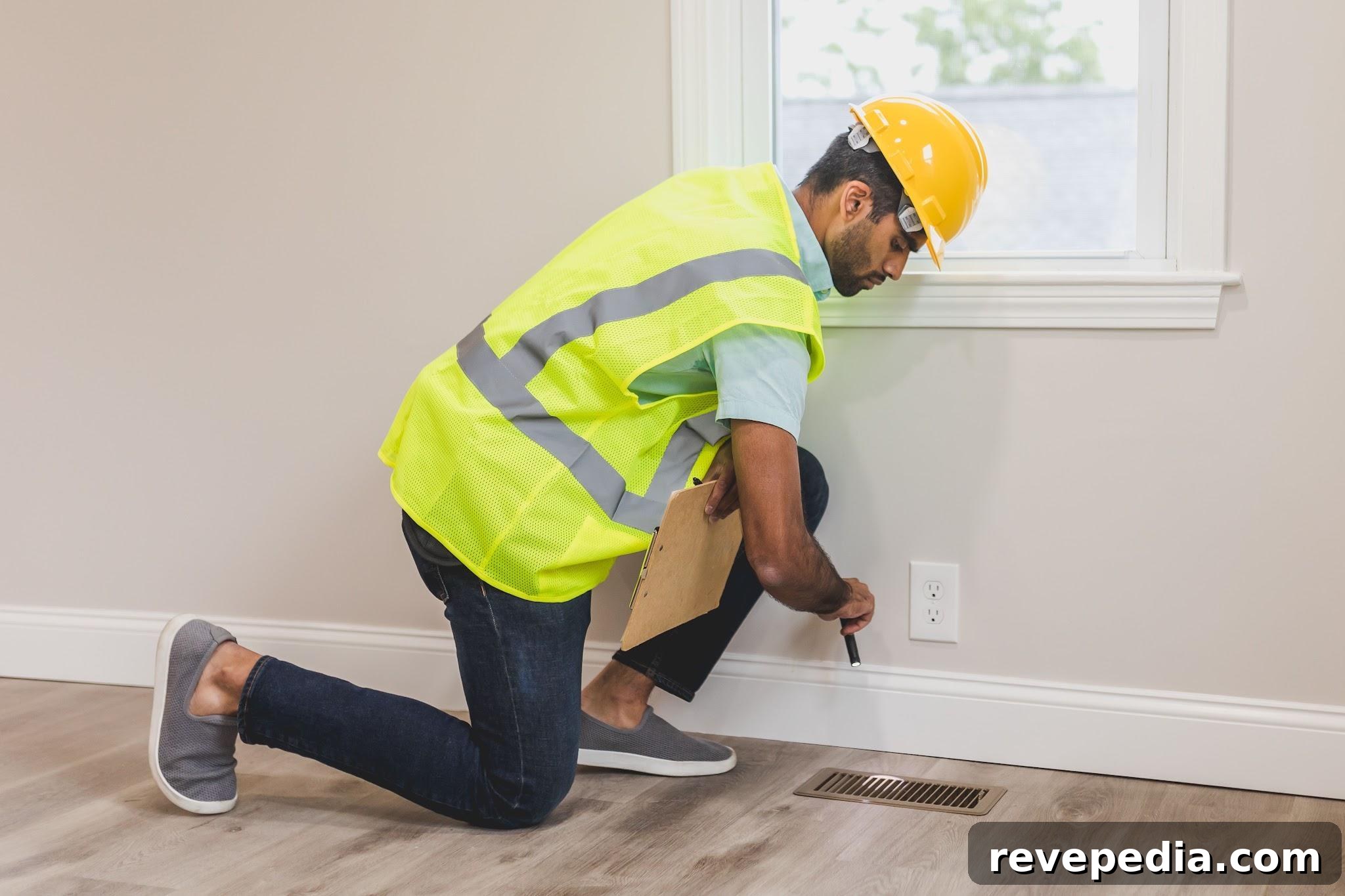
Selling a house with serious structural problems creates a major financial challenge for homeowners. Unexpected contractor estimates often force a choice between exhausting personal savings for repairs or accepting a significantly reduced sale price. What starts as a quick fix can quickly escalate into a long, expensive project when hidden issues emerge.
Assessing realistic options early helps protect your finances and your timeline. Comparing repair costs against expected sale proceeds creates a practical roadmap for a smoother transaction. Thoughtful planning lets sellers control their selling schedule and limit exposure to surprise expenses.

Image by Karolina Grabowska for Unsplash
Assessing Roof Damage and Age
Roof problems are among the most common and visible defects found during home inspections. Worn shingles, active leaks, and ceiling stains are red flags that turn off buyers seeking move-in ready homes.
A full roof replacement can range widely in cost depending on materials and size, and the seller typically pays those expenses before closing. While replacing a severely damaged roof may increase your final sale price, minor patchwork often only delays buyer requests for complete replacement during negotiations.
Understanding demand in your local market will help determine whether investing in roof work is likely to provide a meaningful return. In some markets, buyers expect a sound roof; in others, cash buyers may accept the home as-is for a discount.
Evaluating Foundation Issues and Structural Costs
Foundation cracks, sloping floors, and other structural defects create serious concerns for buyers and lenders. Major foundation repairs can cost tens of thousands of dollars and do not always result in dollar-for-dollar added equity at closing.
Structural problems also complicate mortgage financing, since many lenders require repairs or specific engineering certifications before approving loans. When repair costs are prohibitive, some sellers choose alternatives such as selling directly to cash buyers who purchase properties as-is, avoiding lengthy repair timelines and agent commissions.
Keep in mind that structural repairs typically require engineering reports and municipal permits, which extend the timeline and increase holding costs while work is completed.
Plumbing Hazards and Pipe Replacement
Old galvanized pipes, sewer line leaks, and hidden water damage are common in older homes. Water intrusion behind walls can lead to mold, ruined flooring, and expensive remediation that buyers will factor into their offers.
Selling as-is clarifies upfront that the seller will not perform repairs, limiting the endless list of repair requests that can arise after inspections. Full plumbing replacements often involve opening walls and removing tile, and emergency plumbing work commands premium rates from contractors.
Outdated Electrical Systems and Safety Risks
Antiquated wiring systems and old breaker panels frequently fail modern safety inspections. Homes with knob-and-tube wiring or substandard service panels can be difficult to insure and may pose fire hazards, restricting the pool of buyers to those who can pay cash.
Complete rewiring is expensive and requires permits and licensed electricians. In some cases, replacing an outdated panel to meet lender or insurance requirements is sufficient without doing a full house rewire, but each situation needs careful evaluation against the cost and the likely buyer response.
HVAC Upgrades Versus Repairs
Heating and cooling systems are another common source of negotiation. An aging furnace or failing air conditioner can derail a deal late in escrow when buyers request replacement or significant credits.
Installing a modern HVAC unit provides longer-term assurance to buyers, but full cost recovery at sale is not guaranteed. Sellers should compare immediate out-of-pocket installation costs to the possibility of offering repair credits or accepting a lower sale price.
Comparing Financial Outlays for Repairs
Major repairs funded out-of-pocket can quickly deplete savings and create personal financial strain. Financing repairs with high-interest loans or credit lines increases personal risk and can negate the financial benefits of completing renovations.
Carefully assessing available liquid reserves helps you decide whether funding structural fixes makes sense. Alternatively, selling the property as-is transfers the repair burden to the buyer and eliminates the risk of escalating contractor costs during the project.
Handling Time Limits and Renovation Stress
Significant renovations often take months from initial estimates to final municipal inspections. During that time, sellers continue to pay property taxes, mortgage interest, insurance, utilities, and other carrying costs.
Managing contractors and scheduling inspections adds stress and distraction. Important timeline factors to consider before committing to major repairs include:
- Local contractor availability and permit processing times at county or city offices.
- Supply chain or lead-time delays for custom materials and specialty fixtures.
- Seasonal weather windows that affect exterior work like roofing, masonry, and foundation repairs.
If you need a fast sale to relocate or free up cash, lengthy renovation schedules may be impractical. Selling as-is can provide a quicker exit and avoid months of construction oversight.
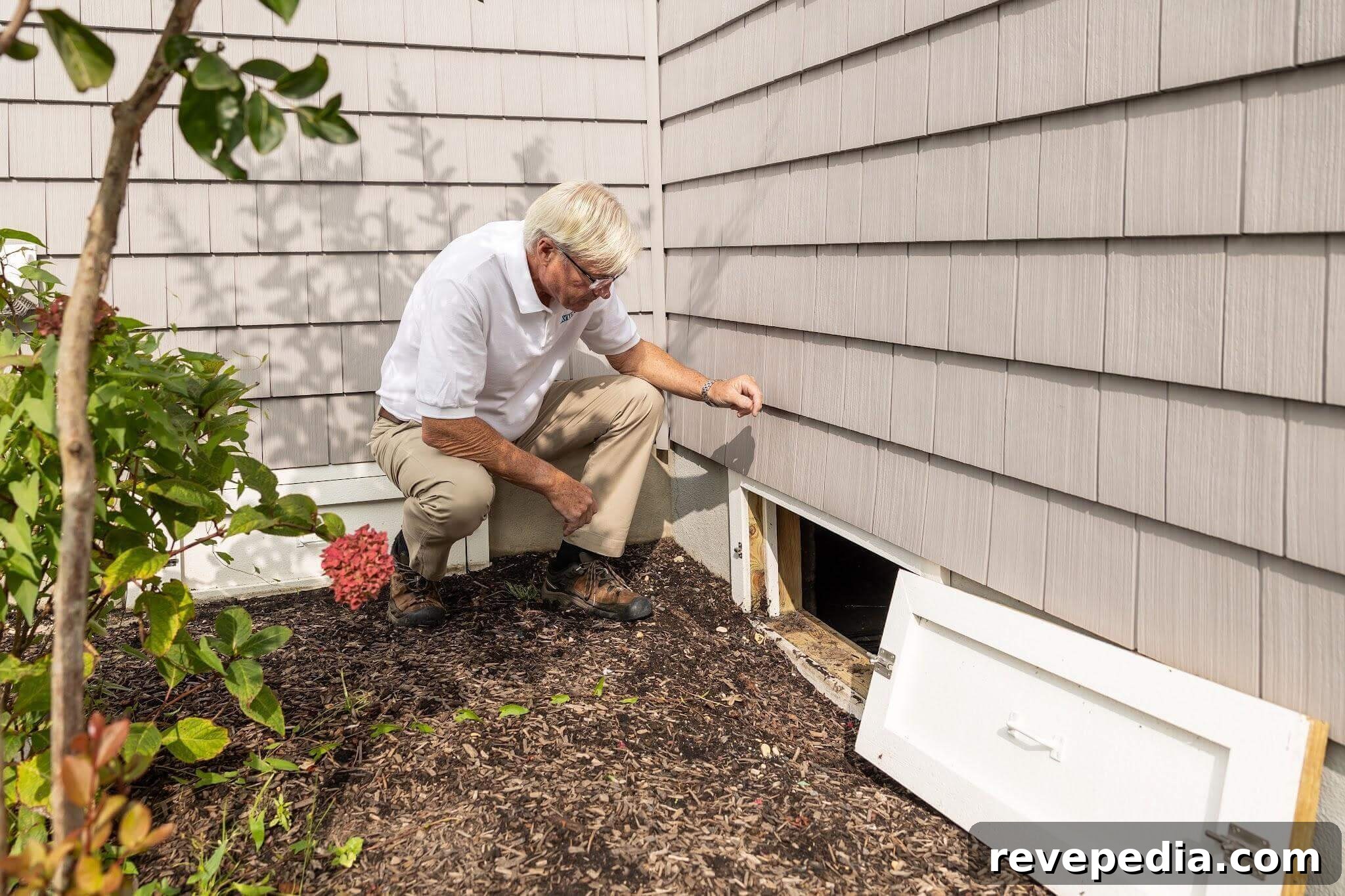
Choosing the Best Selling Strategy
Every homeowner’s situation is unique and requires balancing financial return, timeline needs, and tolerance for renovation stress. The most effective decision starts with an honest review of your cash reserves, desired moving date, and long-term goals.
Key considerations when choosing how to sell include:
- Estimated repair costs compared with expected post-renovation value and buyer demand in your market.
- Monthly carrying costs during the repair period, including taxes, loan interest, insurance, and utilities.
- Immediate need for cash or desire to avoid ongoing property maintenance responsibilities.
Early, thorough evaluation of major defects gives you clarity during negotiations and helps you select a strategy that aligns with your priorities. Whether you decide to invest in repairs or sell as-is, making a deliberate choice based on finances and timing minimizes surprises and ensures a smoother transition to your next home.