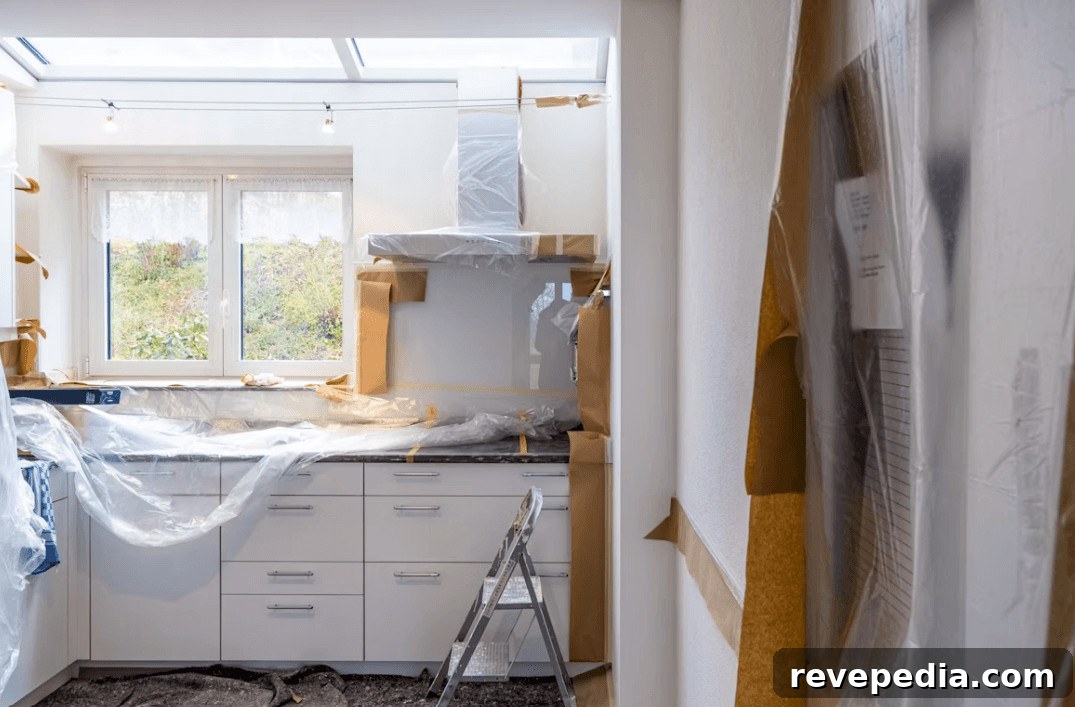
Every homeowner knows that uneasy feeling when an unexpected noise echoes through the house. It could be a slow drip behind a bathroom wall, a faint creak beneath hallway floorboards, or a spreading water stain on the living room ceiling. You tell yourself it’s minor and that a quick Saturday patch will restore order and keep the budget intact.
Then you open the wall.
That instant when plaster splits and dust settles on your safety goggles is pure dread. What started as a quick fix often reveals a hidden world of deferred maintenance and structural surprises. A small leak in a pipe can turn into a slow drip that rots wall studs.
Replacing those studs may require pulling up the damaged subfloor. Removing the subfloor can expose outdated or unsafe wiring run through joists—wiring that no electrician will leave alone without upgrading the circuit. In less than two days, a simple plumbing repair can snowball into a domino effect of structural, electrical, and cosmetic work.
Have you noticed how quickly a tiny home project can spiral out of control?
This cascading scenario is one of the most stressful realities of property ownership. When one project unravels into three or four separate emergency repairs, the emotional and financial toll can become overwhelming. Understanding why this happens, how to manage the chaos, and how to protect your finances helps turn a domestic crisis into a manageable plan.

Photo credit: Unsplash
The Domino Effect of Home Construction
Homes are interconnected systems. Unlike many consumer products with clearly separated components, a house depends on overlapping networks of structural supports, plumbing lines, electrical circuits, and insulation. When one system starts to fail, the effects rarely stay isolated.
Consider water and timber. Water is patient: a slow seal failure around a second-story shower might drip only a few drops a day. Over months or years, those drops soak into the subfloor, travel into wall framing, and eventually reach the main floor ceiling. By the time you spot soft drywall overhead, the damage has already affected multiple areas of the house.
Repairing the ceiling treats a symptom, not the cause. To resolve the root problem you must address several layers:
- The structural integrity of rotted subflooring and floor joists.
- The failing plumbing fixture or pipe that caused the leak.
- Mold remediation, insulation replacement, and drywall repairs across both levels.
When you disturb part of an older home, you often expose adjacent issues. Building codes compound this expansion. If a contractor opens a wall and finds non-compliant wiring or plumbing, local regulations may require bringing the entire section up to current safety standards before closing it back up. A cosmetic fix can thus become a mandatory infrastructure upgrade.
The Mental Toll of Expanding Repairs
The psychological stress of an expanding repair often exceeds the physical disruption. A home is supposed to be a place of stability and safety. When walls are opened, fine drywall dust coats furniture and workers walk through the kitchen daily, your routine fragments. Late nights spent comparing contractor bids replace restful evenings.
The primary stressor is the loss of predictability. You set a budget and schedule for one repair, then the scope doubles or triples and your plan collapses. Rapid decisions about trade-offs, timelines, and living arrangements are required while you live in a construction zone.
Why does living through an ongoing repair feel so draining? Because your sanctuary has become a workspace.
To preserve sanity during a cascading repair, use these practical strategies:
- Isolate the Work Zone: Use plastic sheeting and zippered dust barriers to confine debris and maintain normal life in the rest of the home.
- Pause and Re-evaluate: When workers find a secondary issue, avoid impulsive fixes. Stop work, assess the full scope, and request a detailed plan and estimate.
- Distinguish Urgent from Optional: Not every discovery demands immediate action. Address structural hazards and active leaks first; cosmetic updates can often wait until finances and timelines allow.
Managing the Unexpected Financial Impact
The most immediate challenge with multi-stage repairs is financing them. Emergency savings can be exhausted quickly when a simple job expands. To avoid liquidating long-term investments or relying on high-interest credit cards, adopt a clear financial strategy.
Start by reassessing your budget. Pause non-essential spending and redirect cash toward the repair. Communicate directly with your contractor and demand itemized quotes that separate labor, materials, and essential versus non-essential tasks. Many contractors can phase work: complete critical structural repairs immediately and postpone finishing touches until you can afford them.
When cash reserves are insufficient, seek flexible financing early. Home equity lines of credit, personal loans with predictable repayment terms, or other low-interest options can cover immediate shortfalls without halting construction. Securing reasonable terms allows you to distribute costs over time and avoid leaving your home half-finished because funds ran out.
Having a financing plan in place prevents the project from stalling and reduces stressful stop-and-start cycles that increase overall cost and disruption.
Building Resilience for Future Projects
After the dust settles and the tools are put away, take time to analyze what happened. The best way to handle cascading home repairs is to expect them before you pick up a hammer.
Adopt a contingency rule for major maintenance budgets. If an estimate returns at $3,000, set aside at least 30 percent more—budget $4,000. If you don’t need the buffer, the money stays in savings. If the wall reveals secondary issues, you already have capital available to address them without panic.
Preparation changes outcomes. Also invest in routine preventive inspections: annual check-ups on roofing, plumbing mains, and electrical panels can catch small failures before they become multi-system disasters. A house will always test your patience, but structured planning, realistic budgeting, and a calm decision-making process will help you navigate the chain reactions your home may throw your way.