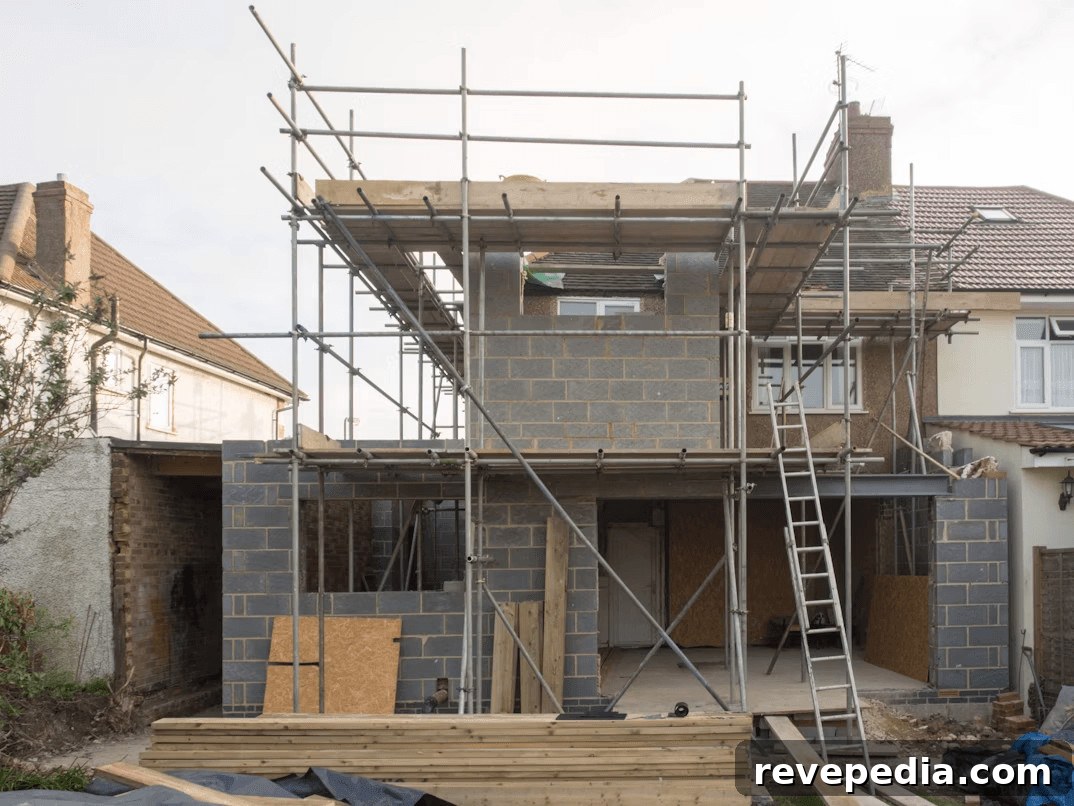
Building a home from the ground up lets you control details that are difficult or impossible to change in an existing property. You can design how rooms connect, position windows for the best light, create the storage you need, and shape outdoor spaces to fit your lifestyle. That freedom also requires making many important decisions before construction begins so plans, budget, and schedule align.
This is particularly true in Clearwater, FL, where the site, local regulations, weather, and intended use of the home all influence the project. Addressing key questions early reduces surprises and keeps the build on track.
The ideal time to resolve these issues is before the first piece of lumber arrives. The following guide outlines seven essential decisions to make early so your design, budget, permitting, and construction process are coordinated and efficient.
1. Decide How You Want to Live in the Home
Begin with how you live day to day rather than with aesthetics. Consider how you wake up, prepare meals, work, relax, entertain, and store everyday items. Think about sightlines, circulation paths, and how rooms will be used throughout the day.
Ask practical questions: Do you need a private home office that can be closed off? Would a larger, more functional kitchen improve family life? Should the primary bedroom be separated from activity areas? If you have children or plan to stay long term, consider how needs might evolve. These lifestyle choices should drive the floor plan; even a visually striking layout can become frustrating if it fails to support the way you actually live.
2. Choose the Right Builder and Project Delivery Approach
The builder you select affects more than construction quality. They influence how well the project is planned, priced, permitted, and managed. Before committing, clarify who will handle design coordination, engineering, permitting, construction, and communication. When these responsibilities are fragmented across multiple parties without clear coordination, design changes can unexpectedly increase cost or conflict with permit requirements.
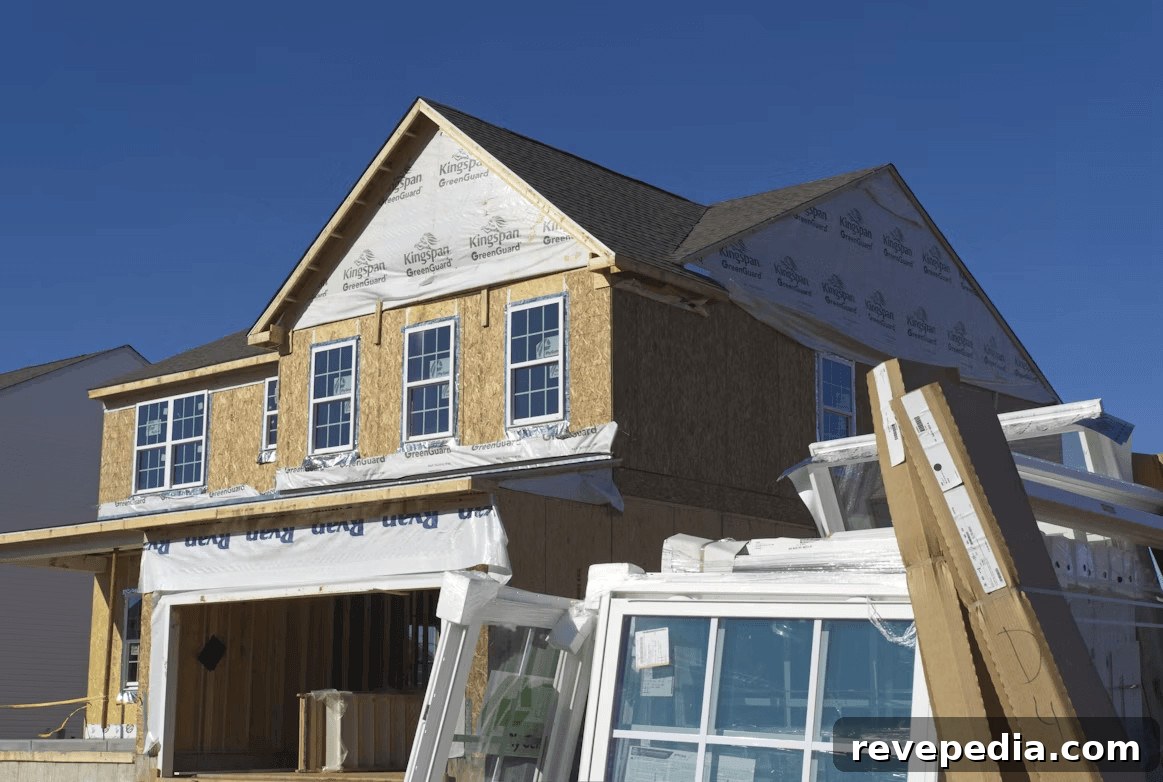
Some firms use a design-build model that integrates design development, construction documentation, engineering coordination, permitting, and construction management into one coordinated process. That approach lets teams review key decisions together before work begins on site, reducing miscommunication and costly revisions. Whatever delivery method you choose, make sure responsibilities, deliverables, and communication protocols are clear before signing a contract.
3. Set a Realistic Budget, Not Just a Construction Number
A realistic custom-home budget covers more than the cost of erecting the structure. Depending on the site and project scope, you must also budget for design fees, engineering, permits, site preparation, utility connections, landscaping, appliances, finishes, and contingency for unexpected issues.
Industry analyses show that construction costs are only part of a new home’s total sale price; the finished lot and other soft costs represent a significant share. The takeaway is that the headline construction cost does not reflect the full financial picture. Establish a comprehensive budget early and leave room for contingencies before selecting high-end finishes or upgrades.
4. Understand the Lot Before Finalizing the Design
Investigate lot-specific factors—drainage, soil conditions, setbacks, site access, utility availability, easements, and flood considerations—before locking in plans. These constraints affect where the house can sit, how large the footprint may be, and which rooms receive the best natural light and ventilation.
Performing early feasibility work prevents costly design revisions later. A site issue discovered after plans are complete can force expensive changes. The lot’s characteristics also influence related decisions such as driveway placement, patios, drainage systems, and outdoor living areas. Addressing these relationships early helps ensure a smoother construction phase and a home that fits the property naturally.
5. Decide Which Features Matter Most
Custom building makes it tempting to include every desirable feature, but each upgrade adds cost. Prioritize the features that will genuinely improve your daily life. Make a ranked list of priorities—energy efficiency, a spacious kitchen, durable flooring, outdoor living space, or additional storage—and allocate your budget accordingly.
With clear priorities, you’ll be able to invest in elements you’ll use and appreciate, and avoid spending on attractive extras that add little value to your routine. This focused approach yields a home that matches both your tastes and long-term practical needs.
6. Plan for Florida’s Climate
Homes in Clearwater and across Florida must contend with heat, high humidity, heavy rain, and severe storms. These conditions should inform choices about materials, windows, roofing, insulation, drainage, outdoor spaces, and mechanical systems.
Think beyond move-in day: select materials and systems that will perform reliably over time. Certain design features that look attractive may require additional drainage, structural reinforcement, or specialized systems to work well in Florida’s climate. Coordinating design and construction teams to review these details before breaking ground prevents moisture, durability, and maintenance problems later.
7. Decide What Needs to Be Final Before Construction Starts
Not every finish or fixture must be chosen months in advance, but major decisions should be settled before they affect construction. Finalize the overall floor plan, structural layout, major systems, window and door locations, plumbing stacks, and primary electrical requirements—elements that become difficult and costly to change once framing begins.
Permitting is part of this timeline: building plans must typically pass local review before construction can proceed. Late-stage changes can cause permit delays and add cost, so aim to have critical decisions finalized in time to support permitting and a smooth build schedule.
Final Thoughts
Building a custom home is a significant undertaking, but careful early decision-making makes the process far more manageable. Start with how you want to live, then address the builder and delivery method, establish a comprehensive budget, evaluate the lot, set feature priorities, account for Florida’s climate, and determine which decisions must be finalized before construction begins.
You don’t need every light fixture or cabinet color chosen on day one. What matters is settling the big-picture issues early so the design, budget, permits, and construction plan all support the same vision. A little extra planning before construction starts will save time, money, and frustration once the project is underway.