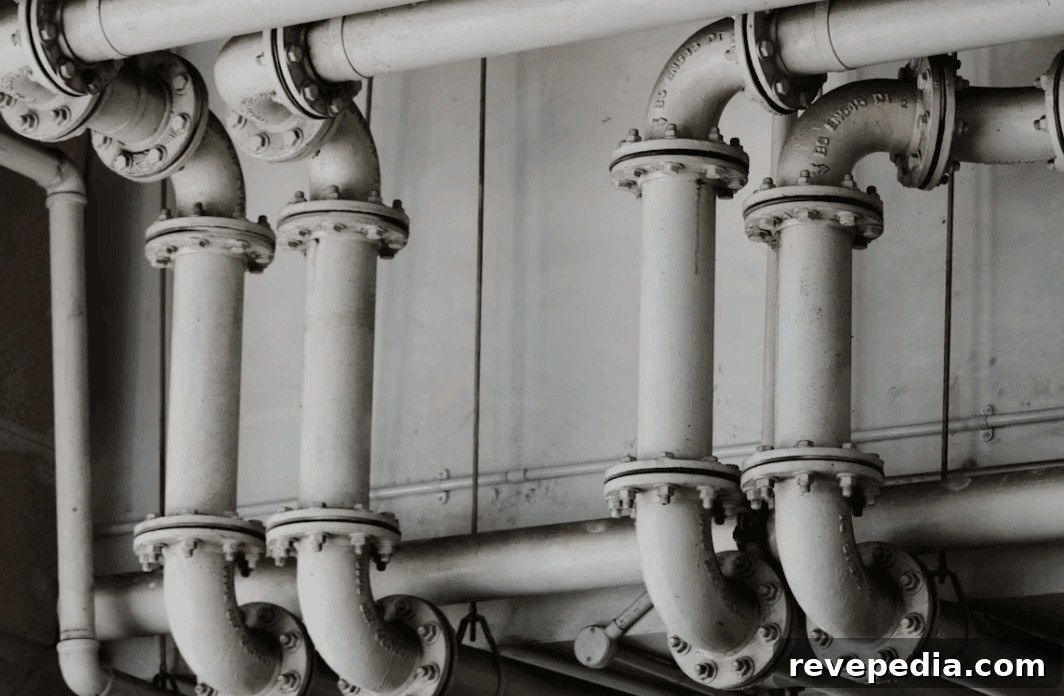
New Hampshire homeowners face two plumbing realities that many other parts of the country don’t usually encounter together: long, severe winters that can freeze pipes solid, and a high proportion of homes—especially outside the state’s larger cities—served by private wells rather than municipal water. These two factors shape practical plumbing needs and decisions for homes across the state.
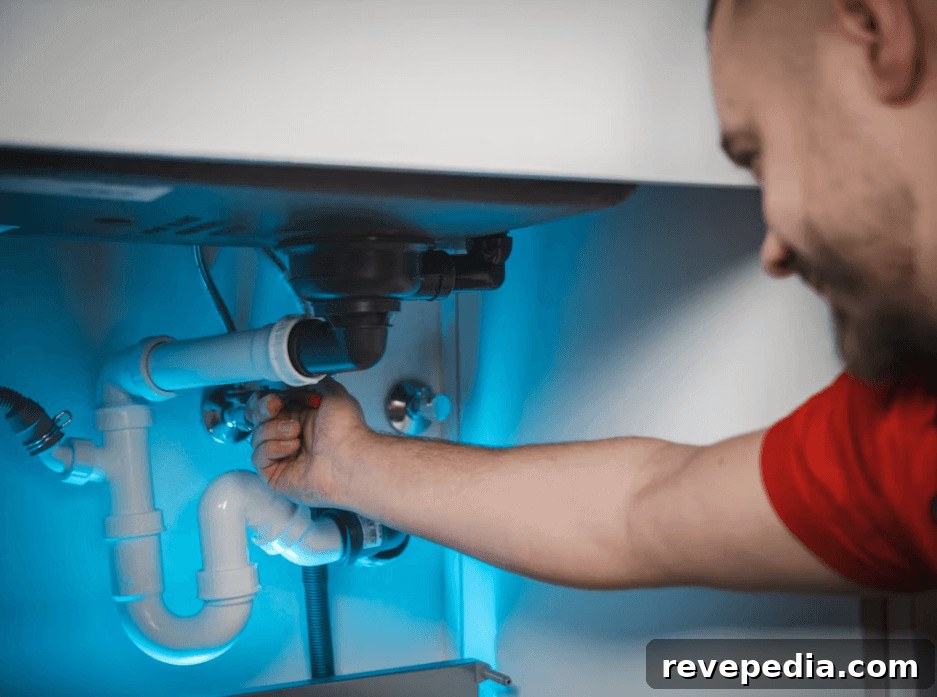
Why Frozen Pipes Are a Real, Recurring Risk
Winter design temperatures in much of New Hampshire routinely fall well below zero. Pipes that run through uninsulated or poorly insulated spaces—crawlspaces, exterior walls, attics, unheated basements or garages—are at real risk of freezing during prolonged cold spells. A frozen pipe is more than an inconvenience: when water inside a pipe freezes and expands, it can crack or burst the pipe. A burst pipe can release large volumes of water quickly, producing extensive, expensive damage, often discovered only after the fact.
Common, effective preventive measures include insulating exposed pipes in vulnerable areas, improving insulation in walls and crawlspaces, and keeping cabinet doors open under sinks on exterior walls to allow warmer air to circulate. During the coldest stretches, letting faucets drip slightly helps keep water moving and reduces the chance of ice forming. For locations that have frozen repeatedly, more permanent solutions—like properly installed heat tape, targeted insulation, or rerouting pipes away from exterior walls—are cost-effective investments to avoid repeating the same emergency thaw-and-repair cycle year after year.
Why Vacant or Seasonal Properties Face Extra Risk
New Hampshire has many seasonal camps and vacation homes, especially in the Lakes Region and the White Mountains, that sit vacant for stretches of winter. An unoccupied house with no one monitoring indoor temperature, or that isn’t winterized, is far more likely to suffer undetected pipe freezing until significant damage has already occurred.
Proper winterization is essential for these properties. If a home will be unheated, the plumbing should be drained completely and antifreeze used where appropriate. If a minimum heat level will be maintained, owners should install reliable monitoring or alarm systems and consider backup power so heating and any well pumps continue to function during outages. Taking these steps protects the structure and avoids costly repairs and water restoration work after a freeze-related failure.
Why Well Water Brings Its Own Set of Plumbing Considerations
A large share of New Hampshire homes, particularly in rural and semi-rural areas, depend on private wells instead of municipal water systems. That changes plumbing needs in several practical ways. Well water quality varies locally and can contain higher levels of dissolved minerals, iron, manganese, or overall hardness compared with treated municipal supplies. These characteristics can stain fixtures, shorten the effective life of water heaters and appliances, and cause scale buildup inside pipes.
Well systems also rely on a functioning pump, pressure tank, and electrical supply to deliver water. That means a power outage can shut off running water entirely unless a generator or battery backup is available. In a winter storm scenario, loss of electricity can therefore remove both heat and water—compounding the risk to pipes and household systems. Planning for backup power and regular well system maintenance is a practical, preventive step in well-served homes.
Why Water Treatment Is Often Part of the Plumbing Conversation Here
Because private wells are common, water treatment solutions are frequently included in local plumbing planning. Whole-house water softeners address hardness that contributes to scale in pipes and appliances. Iron filters or sediment systems improve water clarity and prevent staining in fixtures and laundry. Where well water lacks disinfection, point-of-entry UV systems or other disinfection options may be considered to protect household health and extend the lifespan of plumbing components.
Addressing water quality at the source eases wear on fixtures and appliances, reduces the need for frequent repairs, and improves overall water experience inside the home. Choosing the right treatment depends on testing the well water and matching the solution to the specific contaminants or mineral profile present.
What This Means When Planning Plumbing Work
Whether you are planning a repair, replacing fixtures, or undertaking a renovation that includes new plumbing, New Hampshire’s climate and water sources should influence decisions about pipe routing, insulation, equipment selection, and whether to include water treatment or backup power in the project scope. Routing pipes through conditioned interior spaces, adding appropriate pipe insulation, and specifying materials that tolerate hard water or mineral buildup are practical choices tied directly to local conditions.
Getting Plumbing Guidance That Accounts for New Hampshire’s Specific Conditions
Because freeze risk and well water quality materially affect how plumbing should be planned and maintained in New Hampshire, contractors and homeowners alike benefit from solutions tailored to these conditions rather than generic, one-size-fits-all approaches. Proper planning that considers insulation, winterization, water treatment, and backup systems reduces emergency repairs, extends the life of plumbing systems, and protects homes against the unique challenges presented by New Hampshire’s winters and water supplies.