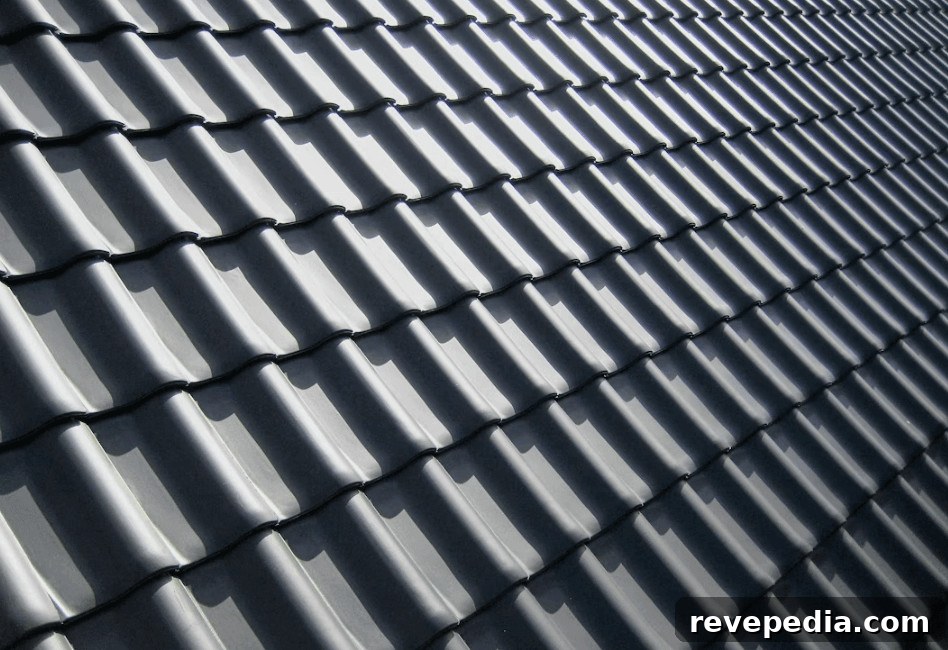
Somers and the surrounding Flathead Lake region sit within forested terrain that is highly exposed to wildfire risk. In Montana, a significant percentage of properties are considered vulnerable to wildfire damage, and for homeowners near the forests around Flathead Valley, choosing roofing materials has shifted from a purely aesthetic or budget-driven decision to a central safety consideration. Roofing choices now have direct implications for a home’s ability to survive ember attack, heavy snow, high winds, and the freeze-thaw cycles common in northern Montana.
Why the Roof Is the Most Vulnerable Point During a Wildfire
Research on wildland fire behavior consistently points to the roof as one of a home’s most vulnerable components. The leading cause of structural ignition during many wildfires is not direct flame contact, but rather windborne embers. Embers can travel ahead of the main fire front for long distances—sometimes up to a mile—landing on roof surfaces, in gutters, or in vents. If roofing materials or accumulated debris are combustible, those embers can ignite secondary fires that spread to the rest of the house. That ember-driven ignition pathway is why fire-resistant roofing is specifically recommended for properties in wildland-urban interface zones such as those around Flathead Valley.
Why Metal Specifically Outperforms the Alternatives Here
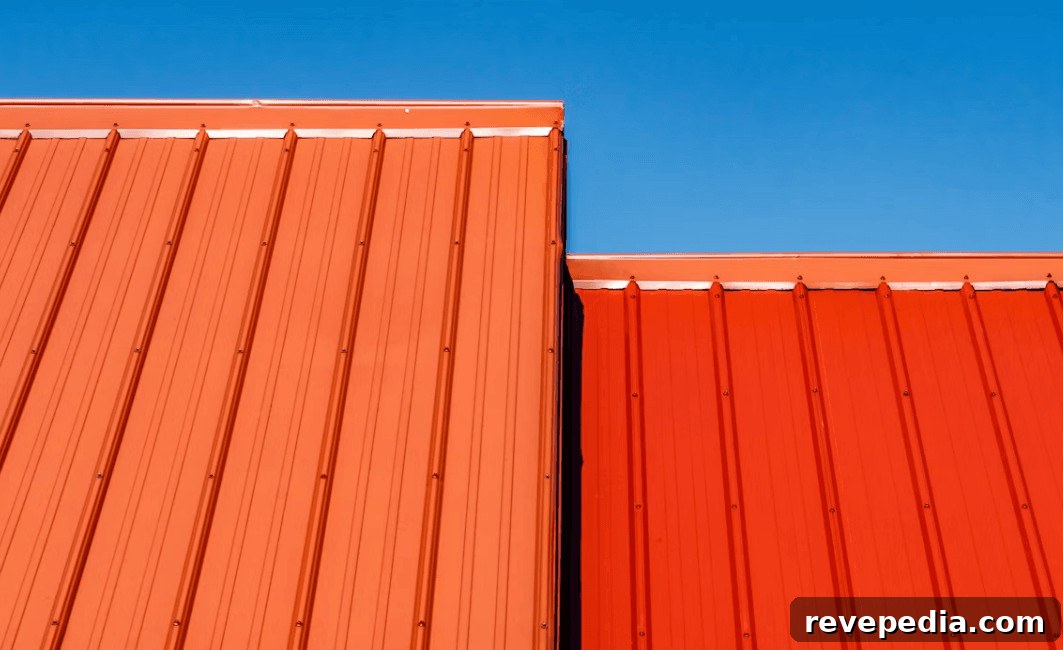
Metal roofing carries a Class A fire rating, the highest available, and is genuinely non-combustible. When an ember lands on metal it may heat the surface locally but does not provide the fuel source required for sustained flame spread the way wood shakes or deteriorated asphalt shingles can. For residents of Somers, metal roofs therefore reduce the most common ignition mechanism during wildfire events. Beyond fire performance, metal roofing also addresses other regional demands: it sheds heavy snow loads effectively, resists damage from high winds that can exceed 100–120 mph in severe storms, and withstands repeated freeze-thaw cycles better than many alternative coverings. Those combined benefits—fire resilience, snow and wind performance, and longevity in cold climates—make metal an increasingly recommended default for local roofing projects.
Why Vents and Gaps Matter as Much as the Roofing Material Itself
A fire-resistant roof alone cannot eliminate wildfire risk if pathway vulnerabilities remain. Embers that enter a structure through attic vents, soffits, eaves, or other gaps can ignite internal materials even when the exterior roofing surface is non-combustible. Effective mitigation includes installing corrosion-resistant metal mesh over vent openings (an eighth-inch or finer mesh is commonly recommended), sealing gaps around chimneys and roof penetrations, and ensuring that flashing and trim are fitted so embers cannot lodge beneath them. These details are as important as the roofing panels themselves for a truly ember-resistant assembly.
Why Insurance Considerations Are Increasingly Relevant
Insurance companies are taking notice of how construction materials influence wildfire risk. For homes in higher-risk wildland-urban interface zones around Flathead Valley, insurers may consider the presence of a fire-resistant roof, ember-resistant vents, and other mitigation measures when assessing premiums or coverage terms. Upgrading to a non-combustible metal roof and addressing venting and debris control can reduce overall risk exposure, which may affect rates or underwriting decisions. Homeowners should consult their insurer to understand how specific upgrades could influence their policy.
What a Complete Wildfire-Conscious Approach Looks Like Beyond the Roof
Addressing wildfire risk effectively requires a system-based approach. In addition to selecting a non-combustible roofing material and protecting vents, homeowners should keep gutters clear of leaves and pine needles (accumulated debris can ignite from a single ember), maintain defensible space by removing flammable vegetation and materials within the recommended distance from the structure, and store firewood and other combustibles well away from exterior walls. Regular inspection and maintenance—checking flashing, sealing small gaps, and replacing aged shingles or trim—help ensure that roof-level protections remain effective over time.
Getting a Roof That Reflects This Region’s Real Risk
Because wildfire is a documented and present concern in this part of Montana, homeowners in Somers should weigh fire performance alongside traditional considerations such as cost, insulation value, snow load, and wind resistance when planning a new roof. A metal roof installation that takes into account ember-resistant details, proper vent protection, and ongoing maintenance provides meaningful, long-term protection for properties exposed to the combined threats of wildfire, heavy snow, and severe winds. Evaluating local risk, consulting experienced local roofers, and coordinating with insurance providers will help ensure a roof choice that matches both the climate realities and safety priorities of the Flathead Valley.