
The question of gas vs electric water heaters comes up every time an old tank fails. Both types heat water effectively, but they differ in upfront cost, monthly operating expense, installation requirements, and maintenance needs. Choosing the best option for your home depends on fuel costs in your area, existing infrastructure in the house, household hot water demand, and whether you prioritize lower purchase price or lower long-term operating costs.
Before committing to a new unit, it’s wise to get professional water heater installation advice. A reputable installer will explain both gas and electric choices clearly, evaluate your home’s infrastructure, and provide honest cost comparisons rather than pushing whatever is easiest to install.
What Is the Difference Between Gas and Electric Water Heaters?
Gas water heaters use a combustion burner beneath the tank, connected to the home’s gas supply, and vent combustion byproducts outside. Electric water heaters produce heat through electric heating elements immersed in the tank and draw power from the electrical panel. That fundamental difference in heat generation drives nearly every other distinction: installation complexity, energy efficiency in operation, recovery speed, and required ventilation or electrical upgrades.
Which Water Heater Costs Less to Install?
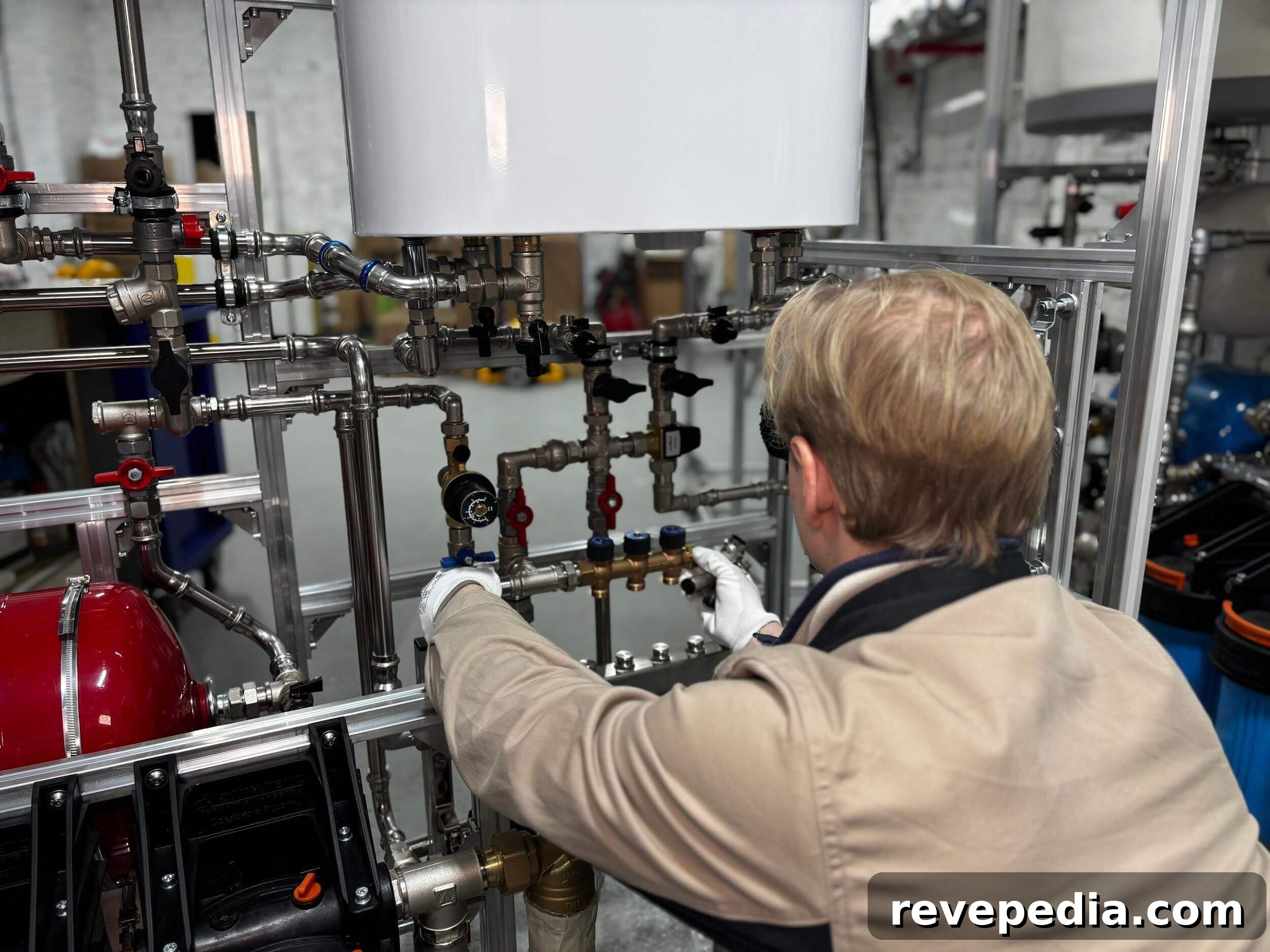
Electric water heaters typically cost less to install when a house already has adequate electrical capacity. Typical installed prices for standard electric tanks range from about $800 to $1,500, including labor for a straightforward swap. Gas water heaters usually carry higher installation costs, commonly between $1,200 and $2,500, because they require proper venting and, in some homes, a new gas line. If a gas line or venting does not already exist at the water heater location, those additions can add substantially to the installation total.
Which Water Heater Costs Less to Operate?
In many regions, gas water heaters are less expensive to operate per gallon of hot water because natural gas is often cheaper per unit of energy than electricity. Gas tanks also recover faster—meaning they refill their hot-water capacity more quickly after heavy use—which benefits larger households with back-to-back showers or simultaneous appliance use. Electric tanks are mechanically simpler and can be quite efficient at converting electricity into heat, but higher electricity rates in many markets can produce larger monthly bills compared with gas.
Factors That Influence Total Cost of Ownership
Several variables affect the long-term cost comparison between gas and electric water heaters:
- Local utility rates for natural gas and electricity.
- Household size and patterns of hot water usage.
- Existing infrastructure—whether there is already a gas line, appropriate venting, or sufficient electrical capacity.
- Required tank size and recovery rate for the household’s needs.
- Maintenance needs and costs; gas heaters typically require more attention to burners and venting components.
When you total purchase, installation, fuel, and maintenance costs over a decade, the financial advantage can shift compared with the initial sticker price.
Pros and Cons of Gas Water Heaters
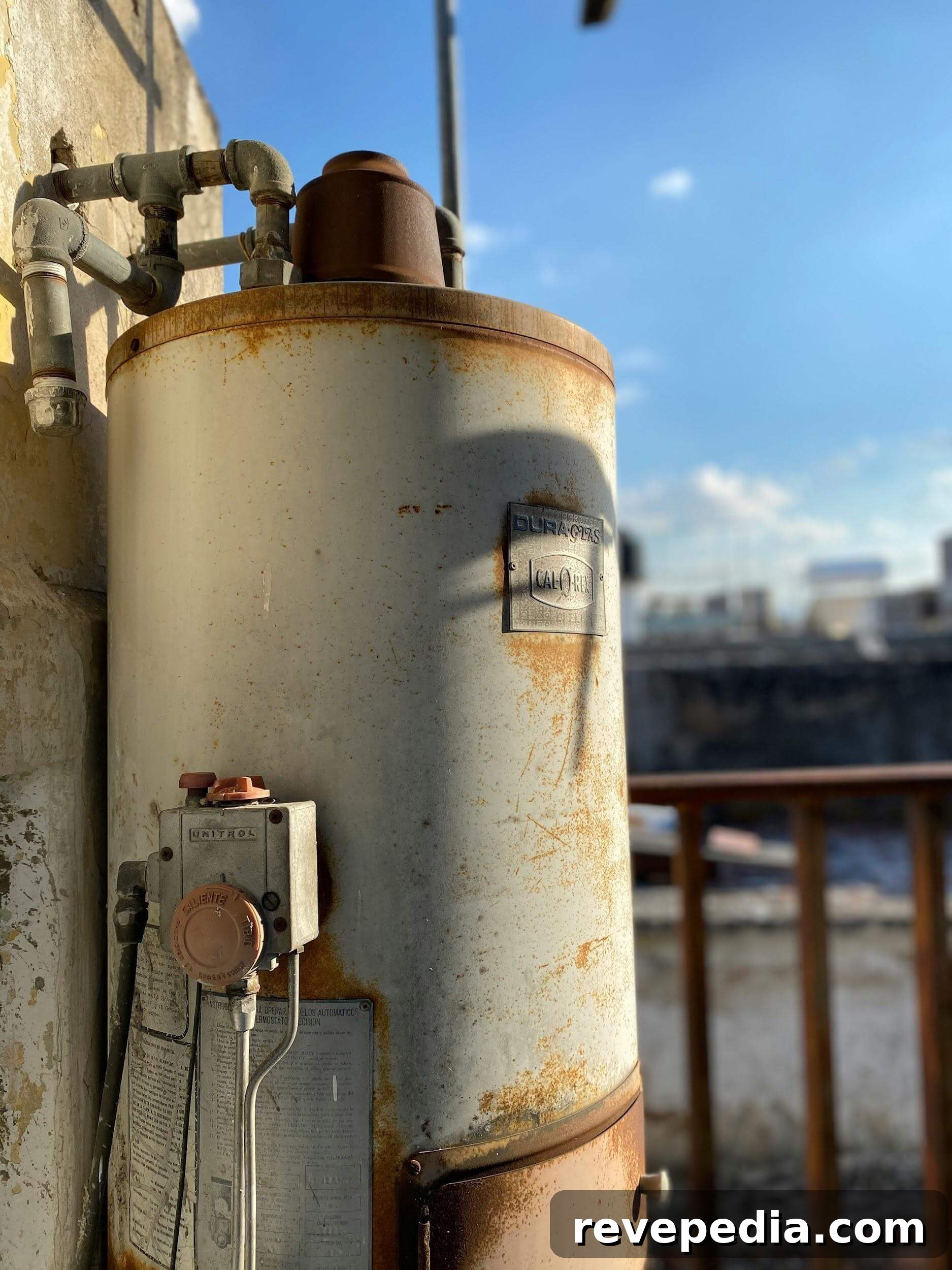
Pros: Gas water heaters often deliver lower operating costs and faster recovery, and they continue to supply hot water during a power outage because they do not rely on household electricity. Cons: They usually cost more to install, require proper venting and occasional burner maintenance, and may involve additional safety considerations around combustion and exhaust.
Pros and Cons of Electric Water Heaters
Pros: Electric units are less expensive to purchase and install in homes with adequate electrical capacity. They have simpler mechanical systems with fewer service points—no combustion chamber, no vent, and no gas line—reducing parts that can fail. Cons: Electric water heaters typically have higher monthly energy costs in areas where electricity is expensive, recover more slowly after heavy use, and provide no hot water when the power is out.
Which Option Is Better for Different Types of Homes?
Large households or homes that frequently run multiple hot-water appliances at once often favor gas for its faster recovery and lower fuel costs in many regions. Smaller homes, condos, and locations without an existing gas connection commonly choose electric because the lower installation cost and lack of venting make it an easier, more affordable option. Ultimately, the best choice usually depends on what infrastructure is already present and how the household uses hot water.
Can Switching Fuel Types Increase Installation Costs?
Yes. Converting from electric to gas often requires running a new gas line and installing exhaust venting, which can add a significant amount—sometimes over $1,000—to the project. Converting from gas to electric may require upgrading the electrical panel or adding dedicated circuits to handle the water heater’s higher amperage, which is another source of added expense. A full site assessment by a qualified installer will reveal these hidden infrastructure costs before you commit.
Conclusion
There is no single correct answer in the gas vs electric water heater decision. If a home already has gas service and venting, a gas unit often makes sense for lower operating costs and faster recovery. If a residence lacks gas service or needs a lower upfront cost and simpler installation, electric may be the better route. Evaluate local fuel prices, household hot water use, installation requirements, and long-term maintenance when comparing options, and get a professional assessment to understand the real costs for your specific home.
Which type do you currently have, and would you switch if you had to replace your water heater today? Share your experience—real-world perspectives can help others making the same choice.
Header Photo: Getty Images for Unsplash