
Relocating to a new home is widely recognized as one of life’s most stressful events, often grouped with major transitions like divorce or changing careers. The U.S. Census Bureau estimates that about 27 million Americans move each year, and a large portion of them report feeling overwhelmed by the process. Fortunately, with thoughtful planning, systematic organization, and a few practical strategies, you can significantly reduce that stress and make your move smoother and more predictable.
Start Planning Well Before Moving Day
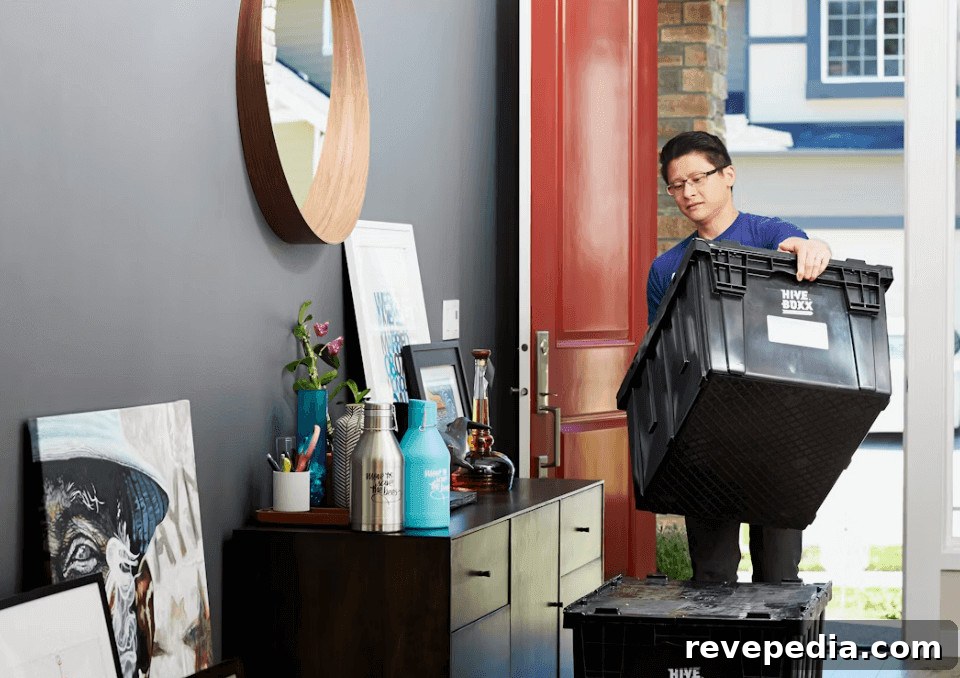
Procrastinating until the last minute is one of the most common mistakes. Relocation professionals typically recommend beginning preparations at least six to eight weeks in advance. That lead time makes it possible to research moving companies, gather quality packing supplies, create a timeline, and sort belongings without the anxiety of a looming deadline.
Early planning helps you compare moving quotes, find available dates, and avoid peak-season surcharges. Moving costs can vary widely between providers and by season—booking during summer months is often more expensive than scheduling in fall or winter. Creating a detailed checklist with weekly tasks keeps the process organized and prevents the chaotic, rushed packing that so often causes unnecessary stress.
Declutter Before You Pack
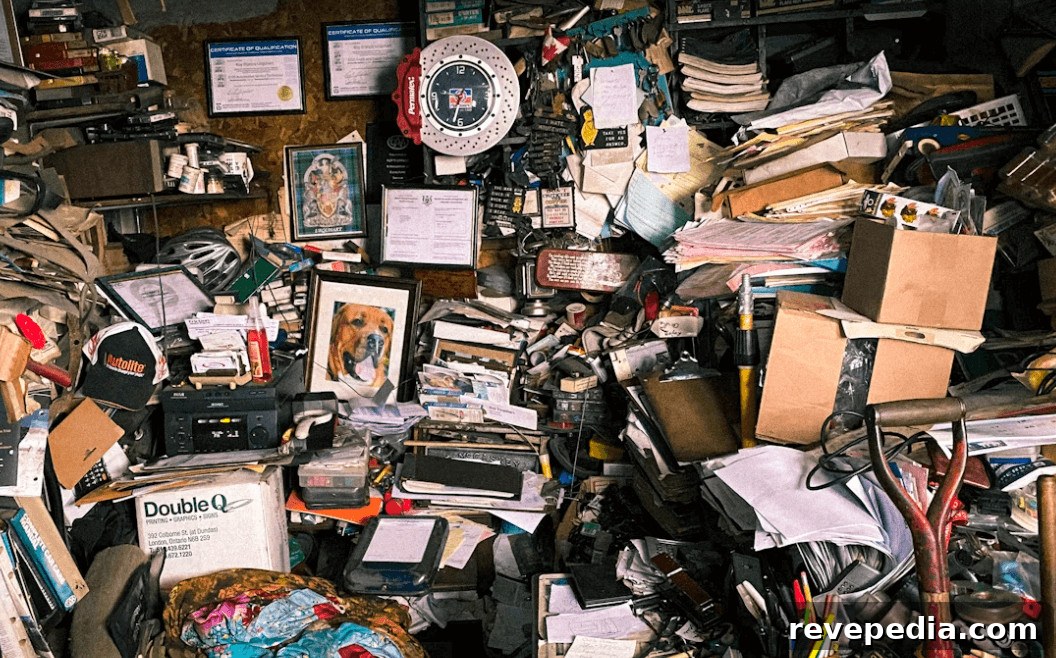
Moving presents a valuable opportunity to evaluate what you really need. Most households accumulate items over time, and many people end up paying to move boxes they no longer use. Sorting through closets, garages, and storage spaces before packing can dramatically reduce the volume and cost of your move while making unpacking much simpler.
Use a practical four-box method: keep, donate, sell, discard. Items in good condition that you no longer want can be donated to local charities or sold online or via a yard sale. Furniture, electronics, and clothing often retain resale value and selling unwanted items is an effective way to offset moving expenses while lightening your load.
Decluttering not only saves money and effort on moving day but also helps you start fresh in your new home with fewer, more meaningful possessions.
Label Boxes Strategically
Clear and consistent labeling prevents chaotic unpacking. Mark each box with its contents and destination room so movers and helpers can place boxes directly where they belong. Color-coding boxes by room using stickers or colored markers speeds the process even more, allowing anyone to quickly identify where things go.
Numbering boxes and keeping a matching inventory list offers another layer of organization and helps you track items during transit. Pack an essentials box for immediate needs—toiletries, chargers, a spare outfit, basic kitchen items, and important documents—so you don’t have to search through multiple boxes on your first night.
Protect Fragile and Valuable Items
Damage claims are a common concern during moves. Protect fragile items by wrapping them individually in bubble wrap or packing paper and using sturdy boxes with adequate cushioning. Pack dishes vertically rather than flat to distribute pressure more evenly and reduce the risk of cracks or chips. Use specialty boxes or padding for mirrors, artwork, and electronics to protect flat or oddly shaped pieces.
For highly valuable items—such as jewelry, irreplaceable documents, or family heirlooms—consider transporting them personally instead of placing them on the moving truck. Keeping these possessions with you minimizes the risk of loss and provides peace of mind throughout the relocation.
Hire Reputable Professionals
While some people handle moves themselves, hiring licensed and insured movers often reduces physical strain and logistical headaches, particularly for long-distance relocations. Before choosing a company, verify credentials, read customer reviews, and confirm insurance coverage. Unverified or unlicensed movers have been linked to fraudulent activity, so due diligence is essential.
Request an in-home or virtual estimate rather than relying solely on a phone quote to avoid unexpected charges. A reputable mover will provide a written estimate that clearly outlines all fees—including potential extra charges for stairs, long carries, or bulky items—and will explain insurance options and timelines.
Prepare the New Home in Advance
Confirm that utilities like electricity, water, and internet are active before you arrive. Cleaning the new space prior to moving furniture in makes settling in easier, and measuring doorways and rooms ahead of time prevents common issues like furniture that won’t fit through entrances.
A well-organized move results from early planning, careful decluttering, strategic packing, and selecting the right professional support. Following these practical steps—start early, reduce what you move, label clearly, protect fragile items, hire reputable movers, and prepare your new home—will make your transition less stressful and far more manageable.