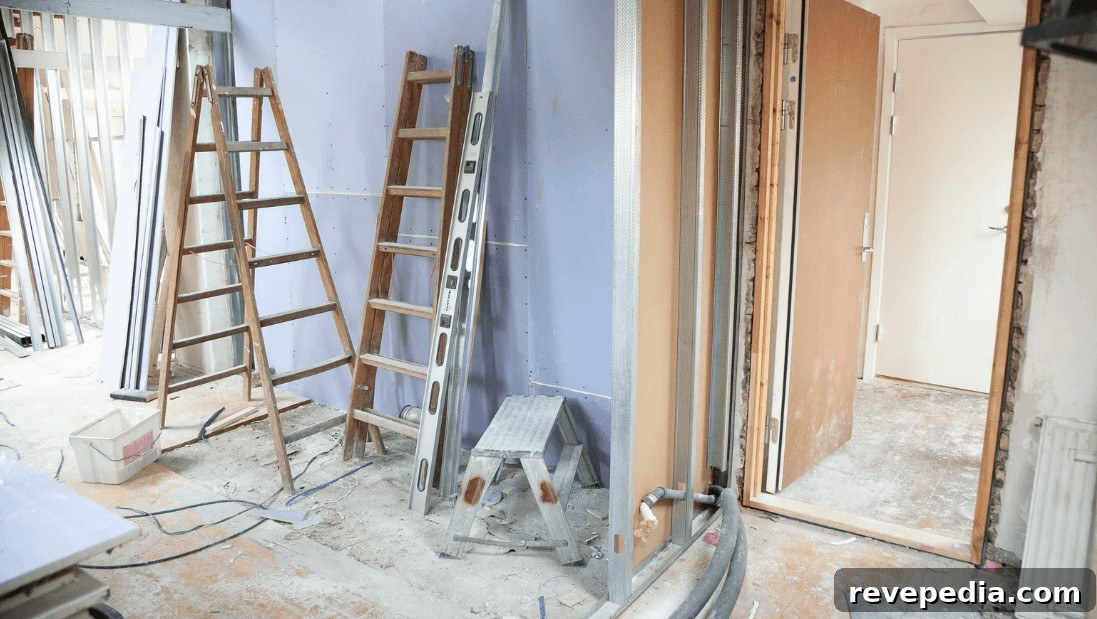
Anyone who has tackled a serious home renovation knows the initial estimate is often just a starting point. The moment demolition begins—tearing out drywall, replacing antiquated wiring, or repairing a sagging subfloor—unexpected expenses almost always appear. Those surprises can quickly derail a budget if you haven’t planned how to finance a fluid, multi-stage project.
Whether you’re gutting a kitchen, adding a workshop, or installing a new roof, funding a major remodel requires more than a single trip to the hardware store. Relying on high-interest store credit or emptying your checking account mid-build puts unnecessary strain on your monthly finances. For many homeowners who have built equity over time, tapping that value in a controlled way is a more efficient, cost-effective approach.

The Headaches of Lump-Sum Financing on a Fluid Build
Renovations typically progress in clear phases: demolition and framing come first, then weeks later you may need drywall, new plumbing, or finish carpentry. That staged nature doesn’t align well with a rigid lump-sum loan.
Two common problems arise when homeowners take a one-time personal loan for an open-ended project. Borrowing too little early forces you to scramble for funds mid-build, potentially delaying work or straining contractor relationships. Borrowing too much means paying interest on cash that simply sits idle until later phases begin. Both outcomes increase the total cost and stress of the renovation.
High-interest store credit cards create another pitfall. They make it easy to buy tools and materials at the register, but their steep rates quickly erode your budget if balances aren’t paid right away. That short-term convenience can become an expensive long-term burden.
A Flexible Way to Handle Materials and Contractor Bills
If you’ve lived in your home for several years, steady mortgage payments and rising local values have probably grown your home equity. Treating that equity as an accessible reserve gives you a reliable way to fund upgrades on much better terms than many other options.
One widely used strategy is to open a revolving line of credit secured by your home. This type of credit mirrors how projects actually unfold: you draw funds when you need them and only pay interest on the amount you use. That flexibility helps you cover lumber, fixtures, equipment rentals, or contractor milestones without carrying interest on money you don’t yet need.
Because you can borrow in smaller increments, your monthly payments stay aligned with the project’s real expenses. That makes it easier to manage cash flow while keeping the job moving through each phase without unnecessary pauses or financial strain.

Keeping Your Savings Safe While You Build
Maintaining liquid savings during a remodel is important. Draining an emergency fund to pay for custom cabinets or a deck leaves you exposed to unexpected events—car repairs, medical bills, or appliance failures—during or after the project.
A revolving credit line backed by your home acts as a financial safety net. It allows you to preserve cash savings for true emergencies while providing immediate access to funds for project needs. That separation of resources reduces stress and preserves financial stability throughout the construction timeline.
Staying Realistic Before You Start Tearing Down Walls
Using home equity for renovations gives real flexibility on the jobsite, but borrowing against your property requires a clear, realistic plan. Consider several practical points before you sign on for a line of credit.
- Focus on real value: Prioritize projects that improve the home’s structure, functionality, or energy efficiency. These kinds of improvements typically add measurable value to your property.
- Keep payments comfortable: Run conservative projections to ensure your regular income will cover potential monthly payments without stressing your household budget.
- Have a payoff plan: Decide ahead of time how you’ll repay borrowed amounts—whether through increased equity from the completed project, refinancing, or an accelerated repayment schedule—so the debt doesn’t linger longer than necessary.
Conclusion
Thoughtful financing is as important as careful planning and quality workmanship when you renovate. Turning home equity into a flexible line of credit can let you pay for materials and labor as each phase of the project demands, helping you avoid high-interest cards and preserving cash reserves. Approach borrowing with a realistic scope, an eye for lasting value, and a clear repayment strategy, and you’ll keep the build moving while protecting your financial health.