
A well-run short-term rental can turn a Texas property into a reliable income stream. The high end of the market pays best, but it also demands the most. Achieving that level requires deliberate effort—more than just creating a listing and leaving a key in a lockbox.
The good news is there is a clear path if you follow it in the right order. Smart renovations, sensible rules for guests, and professional operations are the difference between a premium rental and an average one. Many owners oversee the renovation themselves and then hand over daily operations to a specialist in luxury short-term rental management. Below is a practical guide to how the process fits together and what matters most.

Photo by Kara Eads on Unsplash
What Gives a Rental a Truly Luxurious Feel?
Luxury is consistency more than a high nightly rate. Guests paying top dollar expect everything to work, to look sharp, and to feel thoughtful. A single worn or neglected detail can erase the impact of many premium features.
The structural elements matter most. High-quality flooring, modern bathrooms, and a well-equipped kitchen elevate a property more than any decorative accent. These are the same home improvements that increase everyday livability, only executed to a higher standard for short-term rental guests.
After the core improvements, attention to small but meaningful details wins repeat bookings and high ratings: fast, reliable internet; blackout blinds for restful sleep; layered and well-placed lighting; and genuinely comfortable mattresses and bedding. These amenities are relatively inexpensive compared with the revenue they help generate.
Which Upgrades Deliver the Best Return?
Not every dollar spent returns equal value. Prioritize upgrades that improve both guest satisfaction and the property’s long-term value—areas where the investment pays twice.
- Kitchen and bathrooms. These rooms sell the listing and retain value over time.
- Durable finishes. Choose hard-wearing surfaces that withstand frequent turnovers and cleaning.
- Smart-home basics. Keyless entry, smart thermostats, and reliable digital locks simplify operations and improve security.
- Outdoor living. Patios, decks, shaded seating, and pools are major draws in Texas and can significantly increase occupancy.
- Efficient systems. Quality HVAC, proper insulation, and energy-efficient appliances reduce monthly costs and improve guest comfort in the Texas heat.
Energy-efficient systems and infrastructure upgrades lower operating expenses while also increasing the home’s market value. In Texas, dependable cooling and ventilation are not optional; they are essential to maintaining guest comfort and protecting your reviews.
What Regulations Should Texas Owners Know?
Short-term rentals operate within a framework of taxes, permits, and local rules. Regulations vary sharply from one city to the next, so local research is essential before you invest or list.
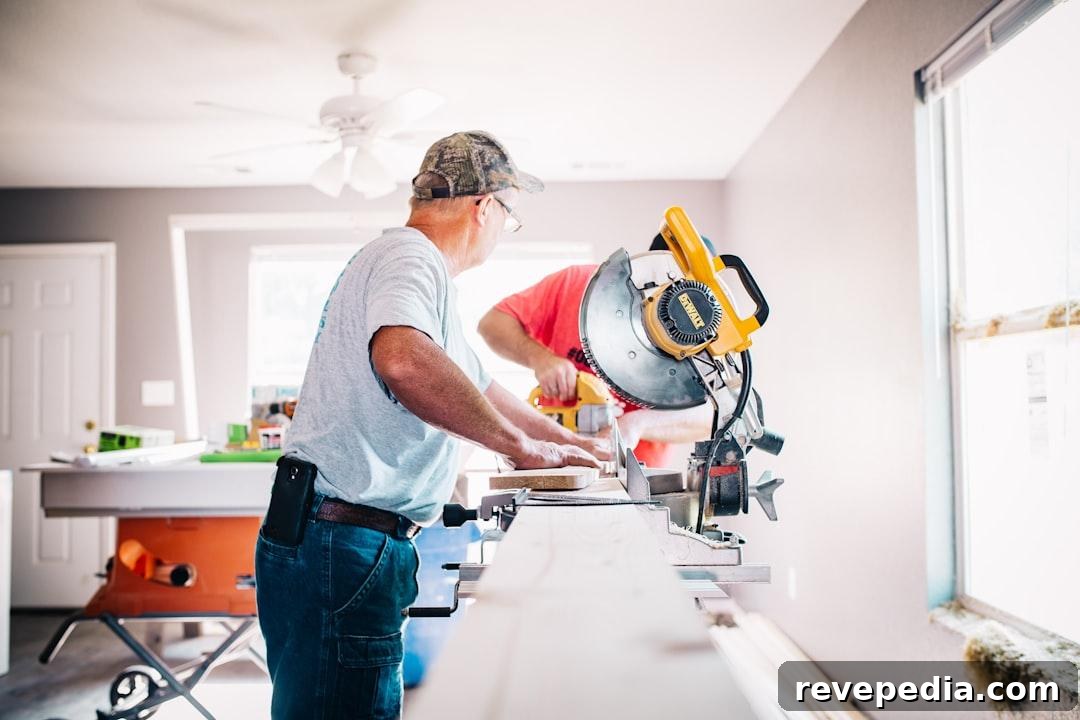
Photo by Annie Gray on Unsplash
Tax compliance is one of the clearest obligations. Operators must collect and remit the applicable hotel occupancy or lodging taxes and often additional local taxes. Incorporating these taxes into your pricing from day one prevents surprises and keeps your accounting accurate.
Income reporting is another ongoing responsibility. Rental revenue is taxable, and the rules for deducting expenses and reporting income determine how you prepare for tax season. Maintain clear, organized records from the start to simplify filings and audits.
Many Texas municipalities require registration, permits, or inspections to operate legally. Resolve these local requirements early to avoid fines, penalties, or forced closures that can interrupt bookings and damage reputation.
How Much Work Is Running a Luxury Short-Term Rental?
More than many owners expect. A luxury short-term rental is a hospitality business, not a purely passive asset. The higher nightly rates reflect the ongoing service and attention behind each stay.
Turnovers happen frequently, and each one repeats the same essential tasks:
- Cleaning. Professional-grade, consistent cleaning between every stay.
- Restocking. Replenishing consumables, toiletries, and fresh linens.
- Inspecting. Routine checks to catch wear and maintenance issues before guests notice them.
At the premium level, these standards must be met every time. Guest communication is constant: bookings, arrival instructions, questions, and occasional issues require timely responses. Slow or disorganized communication shows up quickly in online reviews and can cost future bookings.
For many owners the numbers point to professional management. Hiring a qualified manager costs a percentage of revenue but saves time, reduces stress, and preserves the guest experience. For those treating the property as an investment, professional oversight is often worth the fee.
Should You Manage the Property Yourself?
Be realistic about your available time and temperament. Self-management can succeed for a single nearby property when an owner is hands-on and flexible. It rarely scales well without dedicated staff or systems.
Consider the true cost of self-management: your time has value, and hospitality burnout is a real risk. A property managed poorly will underperform compared with one managed well by an experienced operator.
Also think long term. A rental maintained to high hospitality standards preserves both its physical and business value. Choosing the right operating model—self-managed or professionally managed—protects your income and the asset itself.
Key Takeaways
- Luxury short-term rentals succeed on consistent delivery of a high-quality experience, not just high rates.
- Upgrades that add the most value include kitchens, bathrooms, and durable finishes.
- Reliable HVAC and efficient systems are essential in Texas and reduce ongoing costs.
- Owners must collect and remit lodging taxes and report rental income accurately.
- Check local regulations—many cities require registration, permits, or inspections before operating.
- Running a premium rental is a hospitality business; consider professional management if you lack time or scale.
Making a Texas Rental Work
Success with a luxury short-term rental comes from treating it as both a property and a hospitality brand. Invest in the right improvements, comply with local rules and taxes, and maintain a consistently excellent guest experience. Whether you manage the property yourself or hire a manager, the properties that stand out are those built and operated with care and professionalism.
Frequently Asked Questions
What upgrades add the most value to a short-term rental?
Kitchen and bathroom renovations and durable finishes offer the strongest returns. Smart-home essentials and an appealing outdoor living space help win bookings in Texas, while efficient heating and cooling lower operating costs over time.
Do I have to pay tax on a Texas short-term rental?
Yes. You must collect and remit applicable lodging or hotel occupancy taxes and report rental income for tax purposes. Keep organized records from the start to ease compliance.
Should I manage a luxury rental myself or hire help?
It depends on your time, temperament, and number of properties. A single, nearby home can work for a hands-on owner, but professional management typically protects revenue and guest satisfaction as you scale.
Are short-term rentals allowed everywhere in Texas?
No. Local rules vary by city, and many jurisdictions require permits, registration, or inspections. Verify local regulations before listing a property.