
Every new homeowner eventually faces the same question: should you complete renovations before moving in, or move in first and renovate later? The straightforward answer is that it depends on each room, not the whole house. Treating “renovate first” or “live-in first” as an all-or-nothing rule often produces one of two outcomes: either unnecessary delays that keep you from settling into your home, or lengthy renovation projects that drag on for years because people don’t want contractors working around furniture and personal belongings.
A room-by-room approach simplifies the decision and helps you prioritize work that delivers the most benefit with the least disruption.
Rooms That Should Almost Always Come First
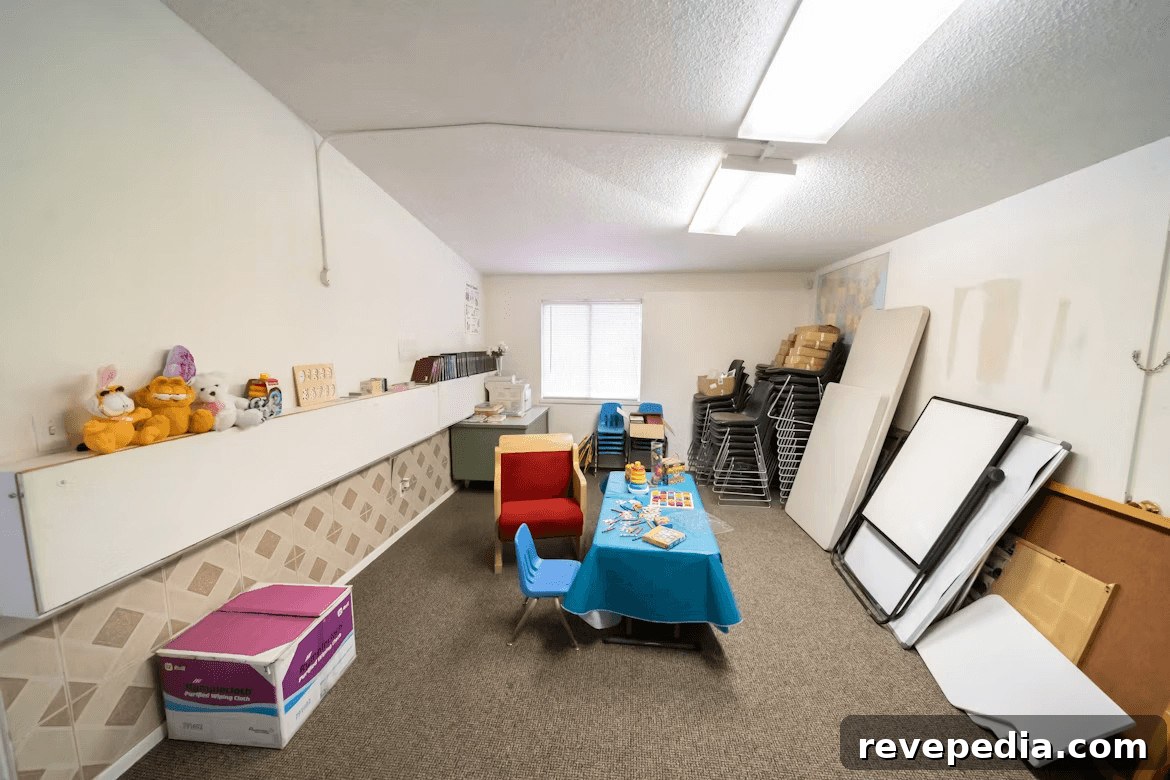
Some types of renovation are inherently disruptive and are far easier and cleaner when done in an empty house. Flooring is the clearest example. Whether you’re refinishing hardwood, installing engineered planks, or laying tile, completing the work before you bring in furniture reduces project time and yields a better result. Finishing around furniture legs or moving heavy items repeatedly adds time, compromises the finish, and increases the risk of damage.
Painting larger rooms and ceilings is another task best done before move-in. An empty room typically can be primed and painted in a day or two with crisp edges and fewer touch-ups. When furniture is present, even if covered, painting takes longer and it’s hard to achieve the same clean lines and fully even coverage along baseboards, crown molding, and corners.
Work that generates significant dust, debris, or heavy construction traffic—like removing walls, replacing cabinetry in a major way, or undertaking electrical and HVAC upgrades—is also generally easier to complete before belongings arrive. Construction dust settles into fabrics, drawers, and HVAC systems, and thorough cleaning afterward is time-consuming and often expensive. Protecting an empty space during these projects is typically far simpler and less stressful than trying to protect furniture and belongings during active demolition and rebuilding.

Rooms Where Living in the Space First Actually Helps
Kitchens and bathrooms are frequently the rooms homeowners want to renovate immediately, but these spaces often benefit from a period of everyday use before major changes are made. A kitchen layout that looks awkward on a floor plan might work perfectly once you learn how you move through the space while cooking, doing dishes, or storing groceries. Conversely, a layout that appears fine on paper can reveal real usability problems only after you use it for weeks or months.
Bathrooms likewise can present issues that only become apparent with daily habits: the need for additional storage, towel hooks placed in inconvenient spots, or lighting that doesn’t support your morning routine. Renovating too quickly risks solving perceived problems that don’t exist and overlooking the ones that do.
The same logic applies to significant additions or layout changes. Living in a house through different seasons helps you understand how light moves through rooms, where you genuinely need more storage, and which walls actually obstruct flow versus those that merely look outdated. Renovations done before you have this lived experience can require rework a few years later when real usage reveals shortcomings.
Budget Reality Usually Makes the Decision Anyway
Practical budget considerations often determine the timing of renovations. Between closing costs, the expenses of moving, and the general outlays involved in settling into a new home, many buyers find their renovation budget smaller than anticipated. That financial reality naturally leads to prioritizing the most disruptive, highest-value work—flooring, painting, and necessary structural or mechanical upgrades—while deferring cosmetic or exploratory projects, such as a full kitchen remodel, until funds allow.
Prioritizing projects this way aligns well with the room-by-room strategy: perform disruptive foundational work while the house is empty, and plan user-driven or cosmetic projects after you have lived in the space and understood how it functions for your household.
Coordinating the Move Around the Work
If you choose to complete work before moving furniture in, coordinate the moving timeline to follow the most disruptive renovations. Moving possessions into a home while contractors are still working introduces dust, risks damage, and often requires additional protective measures for furniture that increase cost. Scheduling your move after flooring, painting, or major finishing work is completed makes settling in easier and reduces stress on both homeowners and contractors.
Some homeowners close on a property weeks before they plan to move their belongings specifically to allow time for pre-move work to finish. Building this buffer into your timeline prevents the common and frustrating scenario of a moving truck arriving the same week contractors are still installing trim or painting touch-ups.
Let the Room Decide, Not a Rule
There is no single correct answer to “renovate first” versus “live in first.” Rooms that benefit from being empty—floors, paint, and structural changes—are best prioritized before move-in. Rooms that benefit from lived experience—kitchens, bathrooms, and major layout changes—are usually better served by waiting. Assess each room on its own, weigh disruption against the insight you’ll gain from daily use, and sequence work to match your budget and timeline. That flexible, room-by-room approach produces renovation decisions that are more thoughtful, more durable, and ultimately more satisfying for the people who will live in the home.
For homeowners planning work around a move, consider creating a timeline that separates the closing date from your move-in date and prioritizes projects that will be most disruptive if done around furnishings. Proper sequencing saves money, reduces stress, and helps ensure the finished home matches how you actually live in it.