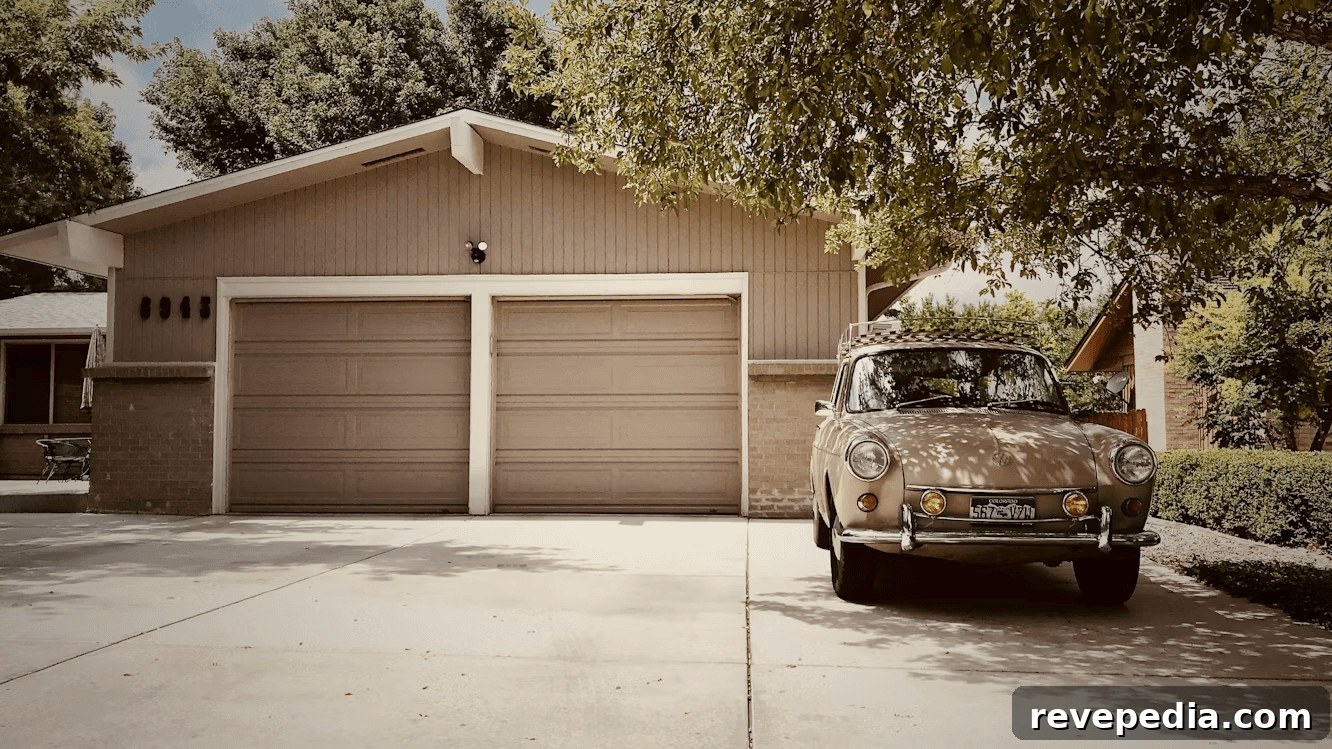
Most people pack a house in a predictable sequence: bedrooms first, then the kitchen, the living room, and finally what’s left over. The garage often becomes the last place to tackle because it feels like a problem for later. In coastal homes, however, the garage usually takes the longest to sort, costs the most to move, and produces the most surprises on moving day.
The reason is straightforward. Houses near the water collect a distinct collection of gear that inland homes rarely accumulate in such volume. Paddleboards, kayaks, surfboards, bicycles, beach carts, coolers, folding chairs, umbrellas, fishing rods, crab pots, outdoor furniture, and a grill that hasn’t been cleaned since spring—none of it fits easily into standard moving boxes. Much of it is awkward to carry, oversized, and often coated in salt and sand, which adds extra cleaning and drying steps before transport.
Start with the gear that needs to be rinsed and dried
Saltwater and salt spray are corrosive to metal and rough on fabrics. Anything packed away damp is likely to arrive at your new home smelling bad or showing accelerated rust and mildew. Bikes, fishing reels, cooler hinges, chair frames, umbrella poles, and board racks all benefit from a freshwater rinse and a full day of air drying before they’re wrapped for the truck. Grills require a grease cleaning and the propane tank removed—propane tanks are legally prohibited from traveling on commercial moving trucks.
Do this at least a week ahead of moving day rather than the night before. Wet gear packed tightly into boxes or truck compartments is one of the most common causes of post-move complaints—unpleasant odors, mold, and rusty equipment—and it is completely preventable with a little forethought.
Measure the long items before anyone quotes the job
Oversized items change how a truck must be packed in ways that a room count won’t capture. A 12-foot paddleboard, a pair of kayaks, a surfboard quiver, and a set of patio furniture all alter the shape of the load. If the moving crew arrives without knowing about long or bulky pieces, they may discover there isn’t enough usable space, which can create delays and extra charges.
When requesting an estimate, list oversized items separately and include measurements and weights if you can. A moving company that gets this information in advance can plan the layout, allocate ramps or tie-downs, and bring the right equipment. Surprise long items found on the morning of the move cost time and money for everyone involved.
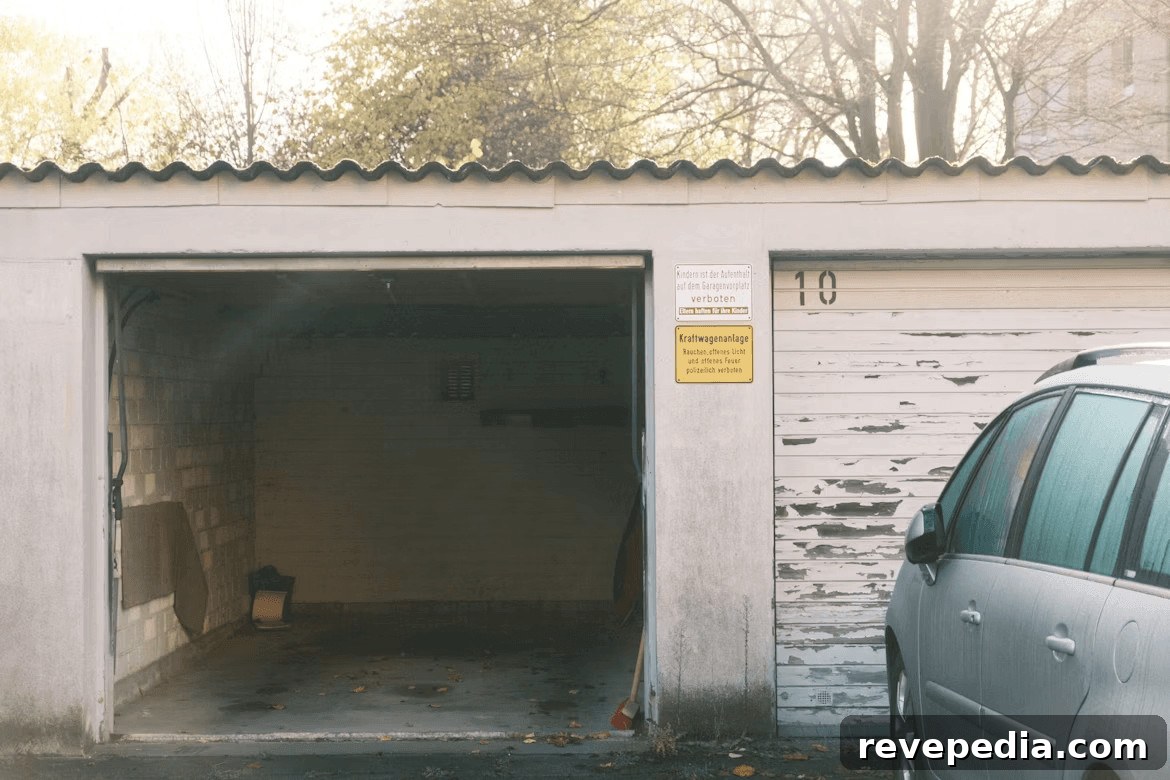
Decide what is actually coming with you
Coastal garages tend to store a lot of gear that gets used rarely—seasonal items, duplicates, or things that haven’t been touched in years. Moving those items is not free: movers charge by the hour and by the volume of what you take. Every trip between the house and the truck adds to the bill, so hauling a garage full of infrequently used equipment becomes an expensive undertaking.
Sort well before move week into three clear categories: keep, donate or give away, and dispose. Local outdoor retailers, consignment shops, community groups, and secondhand marketplaces frequently accept usable gear—particularly ahead of the summer season. Schedule bulk pickup for items that need disposal and book those services early, because pickup windows fill up quickly in many coastal communities.
Handle the things that cannot go on the truck
More households are tripped up by hazardous or regulated items than you might expect. Propane tanks, gasoline for mowers or generators, charcoal lighter fluid, pool chemicals, paint thinner, and other flammable or corrosive materials are prohibited on moving trucks. Car batteries and partially filled fuel cans are also commonly refused.
Plan for these materials separately. Use up perishables and hazardous liquids where possible, and take the remainder to a local household hazardous waste collection site. When booking movers, request their list of refused items so you can prepare accordingly—policies vary by company and state, and the list is often longer than homeowners anticipate.
The payoff
When you treat the garage as a task to be completed well before moving day—two weeks is a good rule of thumb—it becomes an ordinary part of the move. When it’s left until move morning, it’s often the reason the crew is still working late into the night. The households that finish on schedule are almost always the ones that tackled the garage early, measured oversized gear ahead of time, rinsed and dried salty equipment, and sorted what to keep versus donate or discard.
Taking these steps not only smooths the moving process but protects your gear and reduces unexpected costs. For coastal moves, proactive planning for the garage is one of the best investments of time you can make.