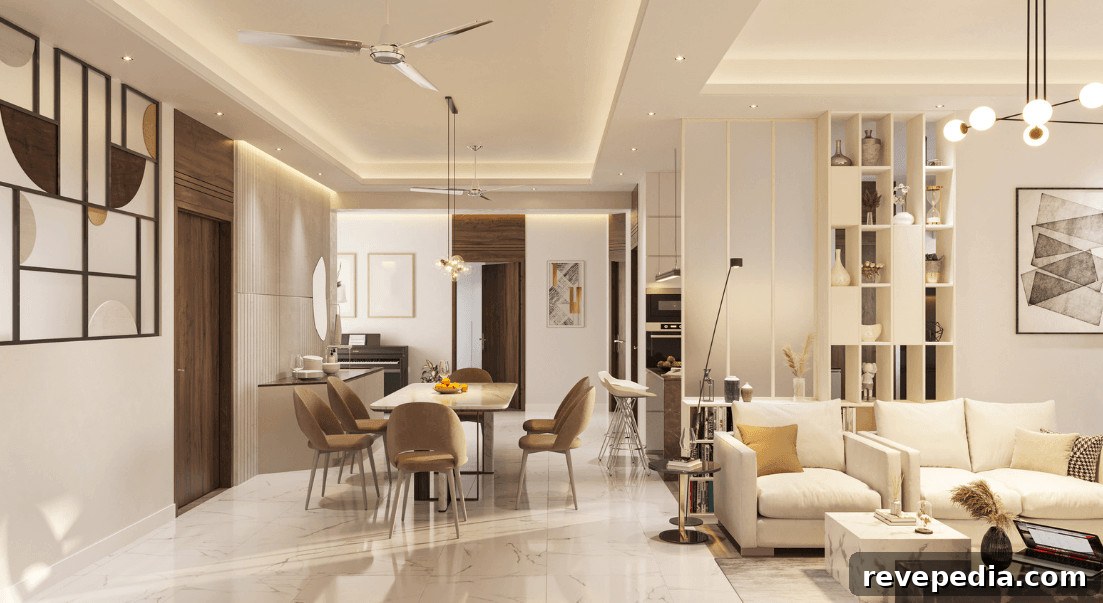
A truly high-end renovation isn’t defined by expensive finishes alone. It begins with decisions made long before a wall is opened or a tile is laid. The quality of a luxury renovation is established through careful planning, thoughtful structural work, integrated building systems, and custom elements that make the home both highly functional and refined. Much of what separates an ordinary remodel from a luxury one is not immediately visible; it lies in how deliberately the home is planned, coordinated, and built.
Why a Luxury Renovation Starts Long Before Construction Begins
Think of a luxury home like a bespoke suit: even the finest fabric will fail to impress if the cut is wrong. Likewise, a high-end renovation begins with thorough planning of layout, infrastructure, and construction details before work begins on site.
This up-front phase allows design and construction teams to resolve conflicts, verify measurements, and make key decisions while changes are still straightforward and cost-effective. Rushing planning forces compromises later and can make even the most expensive finishes feel unconsidered.
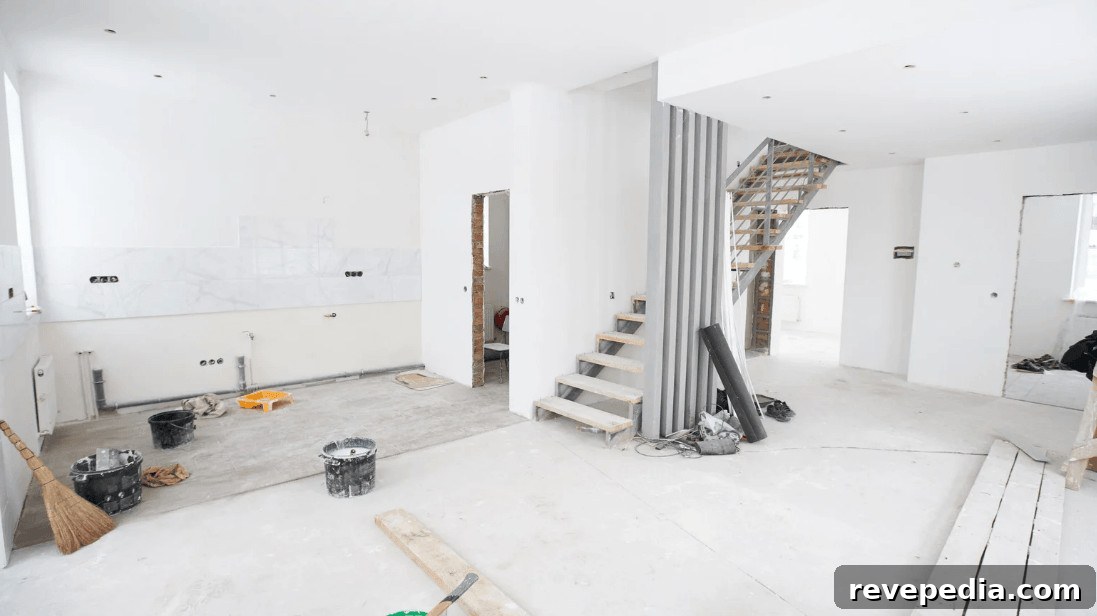
Designing the Layout Around How the Home Will Actually Be Used
A luxury home should live well, not just look like a showroom. Layouts must reflect occupants’ daily routines, preferences, and long-term needs instead of relying on generic plans. For example, a serious cook will require distinct work zones, ample prep space, and room for larger appliances, while a family might prioritize a wide island, durable surfaces, clear circulation paths, and space for homework or casual meals.
These differing uses demand tailored layouts, storage solutions, and traffic patterns. The same attention should apply to bathrooms, living areas, bedrooms, and corridors. A well-considered plan anticipates movement, supports multiple activities, and provides privacy where it’s needed.
Why Detailed Planning Matters More Than Expensive Materials
High-quality materials contribute to a luxury result, but they cannot fix poor planning. Expensive marble countertops won’t rescue a kitchen with a dysfunctional layout, awkward lighting, or appliances that block circulation.
Detailed planning covers accurate measurements, structural needs, electrical and lighting layouts, plumbing routes, equipment locations, and installation requirements. Resolving those details before construction reduces change orders, limits rework, and helps make execution more predictable. The aim is not to spend more for its own sake, but to make coordinated decisions early so the finished home functions as intended.
Bringing Design and Construction Together From the Beginning
A frequent renovation pitfall is a disconnect between designers and contractors. A compelling concept can falter if the contractor and key trades are involved too late, allowing practical conflicts to surface during construction.
Early collaboration lets the entire team review dimensions, structural requirements, product lead times, mechanical and electrical needs, installation sequencing, and budget implications before work begins. Contractors can identify constructability issues while changes are still manageable. In a luxury renovation, design should be ambitious but also buildable, coordinated, and well-documented.
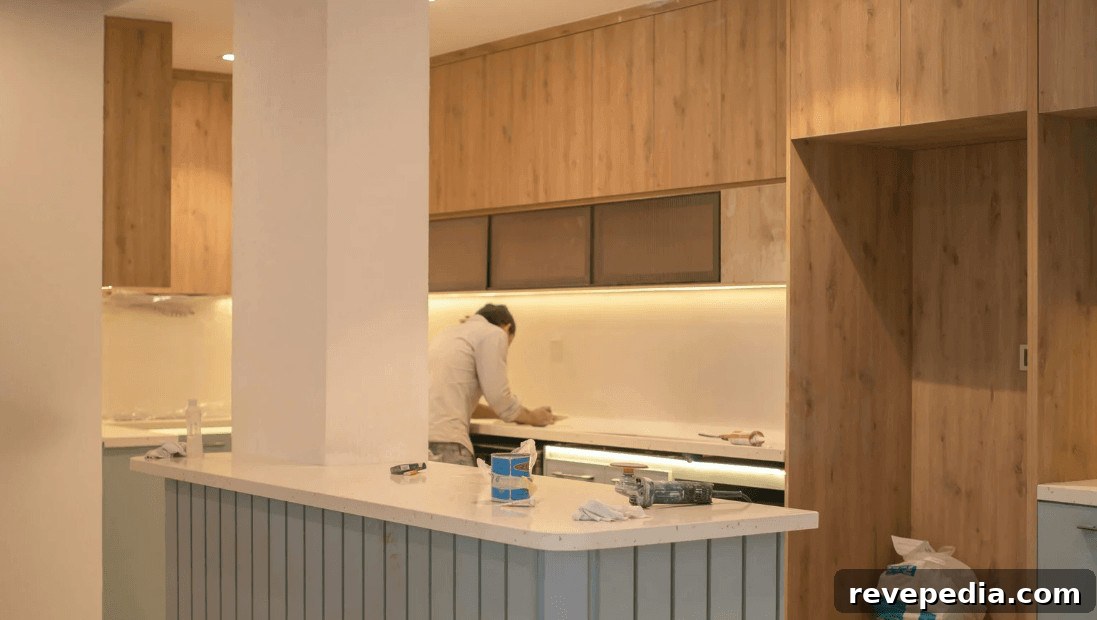
What Makes Custom Millwork, Cabinetry, and Built-Ins Feel Truly High-End
Custom millwork, cabinetry, and built-ins elevate a home because they are proportioned to specific dimensions, architecture, and intended use. Their value goes beyond appearance to include fit, storage efficiency, durability, and integration with surrounding finishes.
High-quality custom pieces consider hardware, internal organization, appliance clearances, integrated lighting and charging, service access, and the operation of doors and drawers. Thoughtful detailing hides necessary components without making them difficult to reach and aligns cabinetry cleanly with walls, ceilings, trim, and adjacent materials. The outcome should feel like an integral part of the architecture, not a collection of separate furniture pieces.
Planning Lighting, Electrical, and Technology Before the Walls Are Closed
Lighting, electrical, and technology planning shapes everyday function. A comprehensive lighting scheme combines ambient, task, and accent lighting rather than relying solely on a central fixture; that flexibility supports varied activities and layered atmosphere.
Locating outlets, data connections, controls, and smart-home components before drywall goes up prevents visible cords and costly retrofits. Early coordination ensures power and data are placed where needed and that electrical design accounts for equipment loads. Evaluating service capacity and anticipating upgrades where appropriate gives the home more flexibility as technology needs evolve.
Choosing Materials for Performance, Longevity, and Timeless Appeal
Material quality is not measured by price alone. A high-end renovation uses materials suitable for location, expected wear, maintenance expectations, and installation conditions. A visually stunning surface that stains easily, moves excessively, or demands impractical upkeep is a poor choice for high-use areas.
Durability also depends on proper detailing and installation. Homeowners should weigh repairability, moisture exposure, cleaning needs, compatibility with adjacent finishes, and the availability of replacement materials. Timeless results come from selecting materials that complement the home’s architecture and daily use rather than chasing short-lived trends.
The Behind-the-Walls Upgrades That Can Define Renovation Quality
Some of the most consequential decisions are hidden once construction is complete. Insulation, plumbing layout, electrical systems, HVAC equipment, waterproofing, and structural work all affect comfort, reliability, efficiency, and long-term maintenance.
Improved insulation and air sealing boost comfort and reduce heating and cooling costs. Proper plumbing design and installation prevent leaks and ensure fixtures perform as intended. Thoughtful HVAC planning, including zoning where appropriate, enhances comfort and energy efficiency but requires attention to system sizing and balance. Structural reinforcement, sound attenuation, and waterproofing in wet areas should be addressed based on project needs. These measures don’t guarantee perfect performance, but careful planning and execution reduce the likelihood of problems after walls are closed.
How Skilled Craftsmanship Turns Good Design Into a Luxury Finish
Even excellent design and premium materials can be undermined by poor installation. Skilled craftsmanship transforms drawings and specifications into work that looks intentional and performs reliably.
Quality is visible in consistent joints, aligned trim and cabinetry, flat tile installations, accurate reveals, smooth finishes, and clean transitions between materials. Experienced tradespeople understand tolerances, sequencing, substrate preparation, and how one installation affects the next. Luxury workmanship is not solely decorative perfection; it is disciplined execution that supports both appearance and long-term durability.
Creating a Finished Home That Feels Cohesive Rather Than Overdesigned
A truly luxurious home feels composed, not cluttered with isolated expensive features. Cohesion comes from a consistent design language while allowing individual rooms to serve specific functions. Colors, textures, proportions, and architectural details should relate naturally from one space to the next.
Execution matters as much as selection: built-ins should meet surrounding surfaces cleanly, tile lines should be consistent, paint and wood finishes should be even, and flooring transitions should feel deliberate. Hardware should align, doors and drawers should operate smoothly, and details should feel resolved rather than improvised.
When these elements work together, the home reads as intentional instead of assembled from disconnected premium products. That ease of experience is the result of coordinated design and careful installation, not price tags alone.
Frequently Asked Questions
What makes a renovation feel truly high-end?
A high-end renovation depends on more than expensive finishes. It arises from careful planning, functional layout, coordinated building systems, appropriate materials, custom details, and skilled installation that together create a refined, long-lasting home.
Why should design and construction teams collaborate early?
Early collaboration enables the team to review dimensions, structural requirements, product lead times, mechanical and electrical needs, installation sequencing, and budget considerations before work begins. This coordination helps identify practical conflicts while changes are still feasible and cost-effective.
What should homeowners consider when choosing materials for a luxury renovation?
Homeowners should evaluate how a material will perform in its intended location: durability, maintenance, moisture exposure, repairability, cleaning needs, installation conditions, and compatibility with surrounding materials are all crucial factors.
Why should lighting, electrical, and technology be planned before walls are closed?
Planning these systems early ensures lighting, outlets, data connections, controls, and smart-home components are placed where they are truly needed. Early coordination reduces visible cords and costly retrofits and allows the electrical design to accommodate anticipated equipment loads.
How can homeowners recognize skilled craftsmanship in a finished renovation?
Quality craftsmanship shows in consistent joints, aligned trim and cabinetry, flat tile, accurate reveals, smooth finishes, clean transitions between materials, properly aligned hardware, and doors and drawers that operate smoothly.