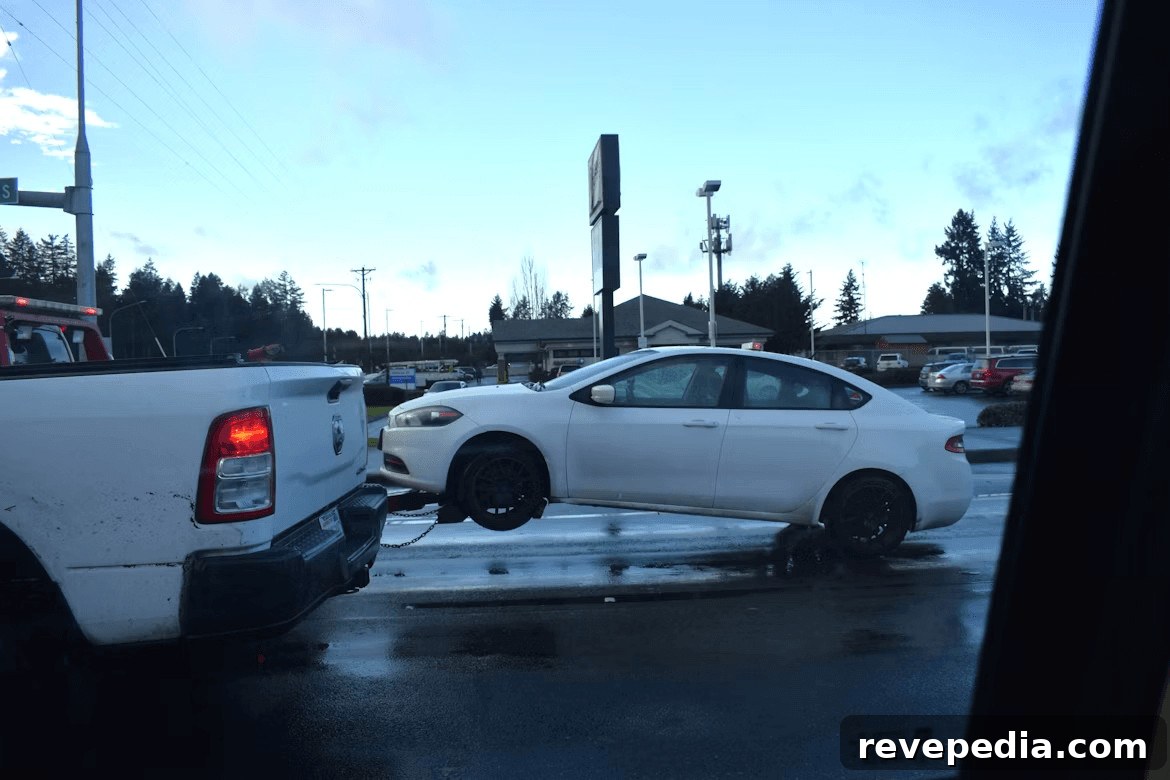
A breakdown on the side of the road feels very different than one in your driveway. At home you may be comfortable changing a tire or jump-starting a battery, but add darkness, bad weather, passing traffic, and a trunk full of luggage and even a routine problem becomes more complicated and more dangerous.
That’s why roadside preparedness should begin in the garage. Regular inspections can reveal worn tires, a weak battery, low fluids, or other issues before a trip. Take a moment to check what’s in your trunk: is the spare inflated? Does the jack and lug wrench work? Do you have a charged flashlight or a portable power bank?
Even with careful preparation, you can still end up on the shoulder. The goal isn’t to anticipate every possible mechanical failure, but to carry the tools, supplies, and backup options that keep you safe and give you time to decide the next step while traffic speeds by.
Secure Reliable Coverage Before You Hit the Road
Being comfortable with basic repairs will get you out of many minor problems, but some situations are unsafe or impossible to handle roadside. A dead battery in a parking lot is often manageable with a jump starter; a transmission failure or a damaged tire on a busy highway is not.
Before any long trip, confirm what roadside coverage you already have. Some auto insurance policies, vehicle warranties, credit cards, and manufacturer programs include towing or emergency services. If you don’t have that coverage, consider enrolling with a dedicated roadside assistance provider so you won’t be stranded when a repair can’t be completed where you stopped.
Save the relevant contact numbers in your phone and make sure a trusted emergency contact also has them. Even drivers who do most of their own maintenance will eventually need a tow truck, specialized tools, or a safer place to diagnose the issue. Think of outside help as a complement to your DIY skills, not a replacement.
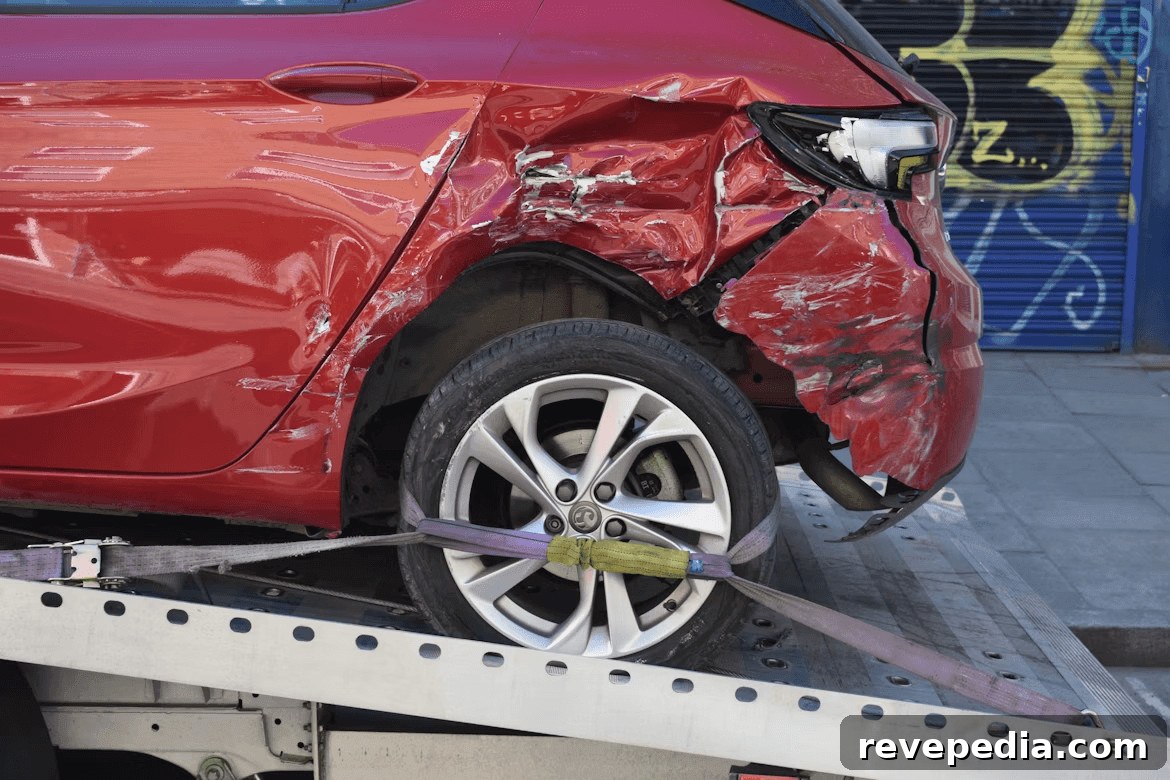
Carry the Right Emergency Gear in Your Trunk
A practical vehicle emergency kit makes it possible to handle common mishaps quickly. At minimum, include reliable jumper cables or a compact lithium jump starter, a portable air compressor with a tire pressure gauge, a high-lumen LED flashlight (with extra batteries or USB charging), and basic hand tools. Extra motor oil, coolant, a tire plug kit, work gloves, and a reflective safety vest extend your ability to manage minor roadside repairs and stay visible to other drivers.
- Heavy-duty jumper cables or a compact jump starter
- Portable air compressor with digital tire pressure gauge
- Bright LED flashlight with spare batteries or USB cable
- Basic socket set, screwdrivers, adjustable wrench, and pliers
- Thermal blanket, reflective safety vest, and warning triangles
Common roadside requests include dead batteries, flat tires, and lockouts, so preparing for those specific issues helps you avoid long delays. A well-stocked trunk kit gives you control over small setbacks and reduces dependence on immediate external help.
Handling Dead Batteries on the Go
Battery failure often happens without warning and is aggravated by extreme temperatures, which reduce a battery’s cranking power. Inspect battery terminals regularly for corrosion and check battery age every couple of years to avoid unexpected failures.
Carrying a modern portable jump starter lets you revive a dead battery independently and get back on the road quickly. If a jump isn’t enough, having roadside assistance contact details saved will get professional help on the way.
Handling Tire Blowouts Safely
A sudden tire blowout at speed requires calm and steady steering. Hold the steering wheel with both hands, avoid slamming on the brakes, and gently reduce speed while maintaining control. When momentum allows, steer toward a safe shoulder or exit lane away from fast-moving traffic.
Whether you change a tire yourself will depend on where you stop and how safe the location is. A flat in a level parking lot or a wide, protected shoulder is one thing; changing a tire inches from high-speed traffic is another. If conditions are safe, make sure you have a working jack, the correct lug wrench, and a properly inflated spare. Check these items periodically—finding a flat spare or a missing tool when you’re already stranded creates unnecessary risk.
Modern Mobile Tools and Rescue Apps
Smartphone apps have transformed how drivers request help. Many apps let you share exact GPS coordinates, select the type of service you need, and track a tow truck’s arrival in real time. Digital dispatch systems often reduce confusion and speed up response times, especially on unfamiliar rural roads.
Keep your phone charged with a dedicated car charger or a portable battery pack so you can call for help, use maps, or communicate your location when needed.
Stage Safely on Busy Highways
After a mechanical failure on a busy road, prioritize visibility and distance from traffic lanes. Turn on hazard flashers immediately, move as far off the roadway as practicable, and set up reflective warning triangles or flares behind your vehicle if you have them. These measures give other drivers more time to react.
When stopped on a high-speed shoulder, staying inside the vehicle with seatbelts fastened usually offers the best protection. Exiting the car and standing near active traffic raises the risk of being struck.
Know When a Roadside Fix Isn’t Worth the Risk
Not every repair should be attempted where you break down. Simple tasks like adding air to a low tire or using a portable jump starter are reasonable when you’re safely off the road. More involved work—crawling under the car, diagnosing electrical faults, or changing a tire beside fast-moving traffic—should be postponed until you reach a safer location or a professional can assist.
Use your DIY experience to assess whether you have adequate space, lighting, and stable ground. If anything about the situation makes you uncomfortable, prioritize moving the vehicle to safety or calling for professional help.
Prepare in the Garage, Stay Safer on the Road
A little preventative time in the garage can save you a lot of trouble later. Before long trips, check tires, battery condition, fluid levels, lights, and obvious wear. Verify the contents and condition of your trunk kit so a missing lug wrench or a flat spare doesn’t leave you stranded.
Even with the best preparation, breakdowns happen. A charged phone, a flashlight, basic tools, and a roadside assistance plan give you options. And remember: being skilled at DIY repairs is valuable, but sometimes the smartest decision is to wait for a safer place or professional help rather than risking a repair beside active traffic.