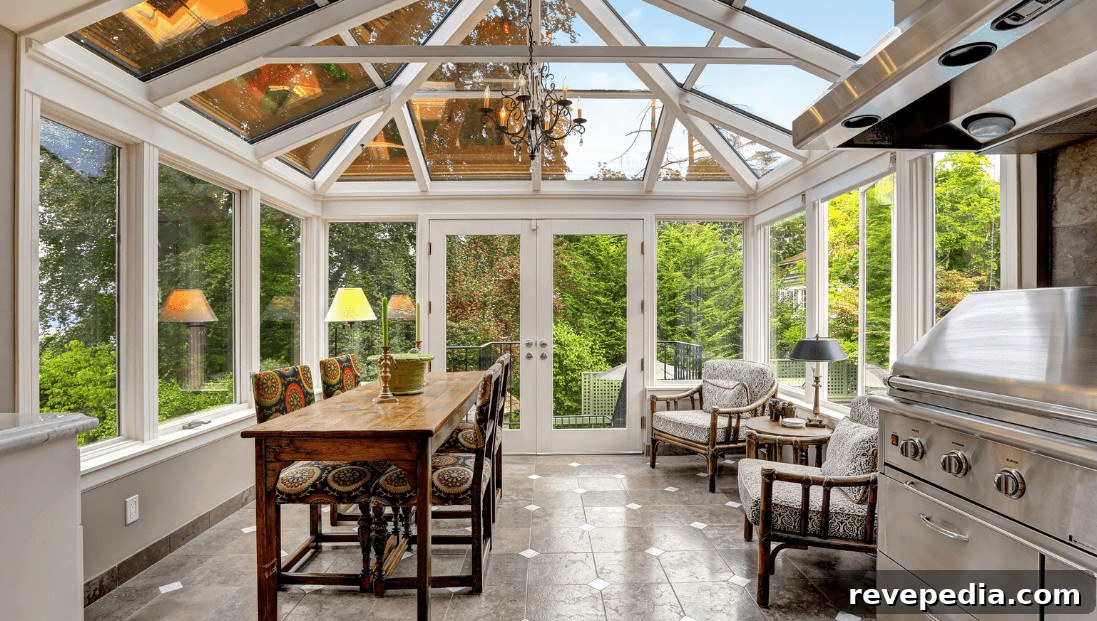
Adding a sunroom brings abundant natural light and creates a comfortable spot for relaxation, family gatherings, breakfast, or quiet reading. Selecting the right professional to design and build this addition takes research, clear preparation, and careful vetting to ensure the final space performs well year-round.
Homeowners who proceed without properly evaluating contractors risk costly delays, inflated estimates, or inferior materials. Investing time up front to compare local specialists and verify credentials protects both your budget and the long-term value of the room.
Successful sunroom projects begin with realistic expectations and a basic understanding of what distinguishes experienced custom builders from general remodeling crews. That clarity helps keep the addition on schedule and on budget from design through final inspection.
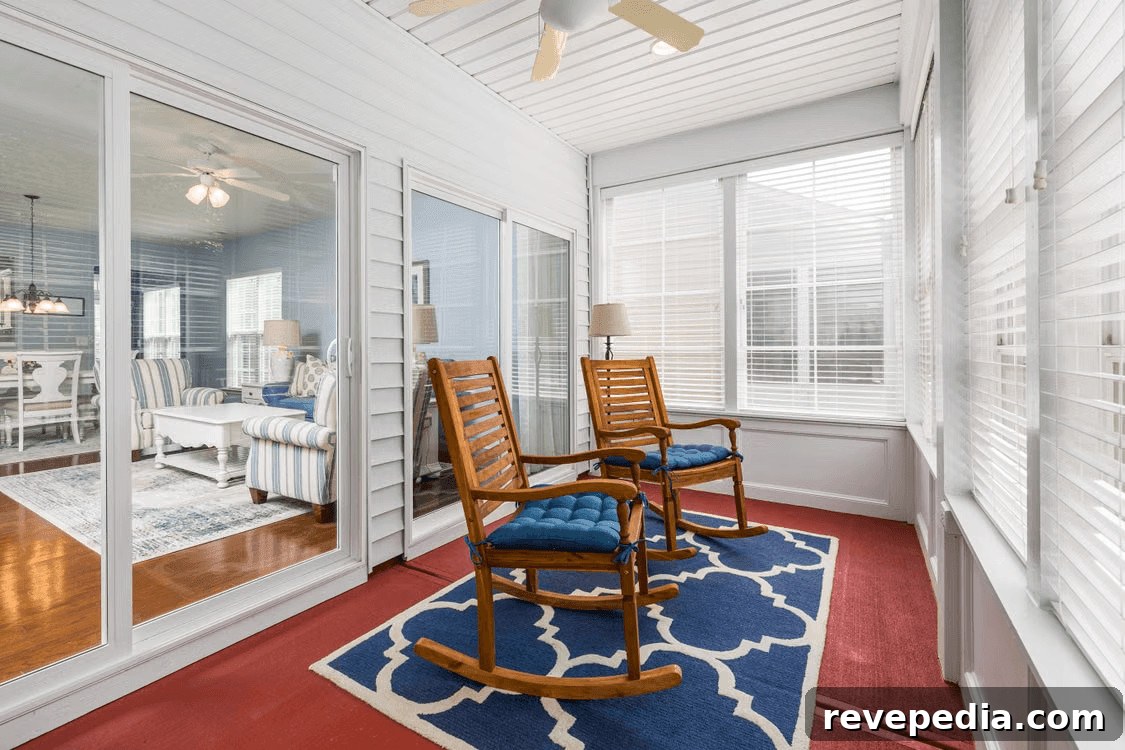
Comparing Local Sunroom Specialists And General Contractors
Designing and building a sunroom requires expertise in glass systems, appropriate framing materials, foundation load calculations, and climate control integration. Many general remodeling teams lack regular experience with the aluminum, vinyl, or composite framing systems used for glass-enclosed rooms.
Hiring a regional specialist who focuses on sunrooms and glass enclosures can improve build speed, material selection, and long-term performance. Local builders understand weather patterns, permitting processes, and the installation details that prevent issues like condensation, thermal loss, or leaks.
Specialized contractors bring deeper knowledge about insulated glass options, low-emissivity coatings, and the structural supports required for large spans of glazing. Choosing a crew experienced with these systems reduces the chance of seal failures and costly repairs later.
Verifying Proper Licensing And Insurance Credentials
Before hiring, verify a contractor’s active state license and confirm they carry adequate general liability insurance and workers’ compensation. Proper coverage protects homeowners from financial responsibility if accidents or property damage occur during construction.
Reputable sunroom firms commonly hold bonding in addition to liability insurance, particularly when bidding on larger municipal or commercial projects. Request current, physical certificates of insurance and check directly with the insurer that policies will remain active for the duration of your project.
Ensure certificates name your property address or the homeowner as the additional insured when required. A professional builder will provide proof of coverage and be transparent about their safety and insurance practices.
Evaluating Past Work And Customer References
Ask candidates for recent local references and take time to speak directly with past clients. Conversations with former customers reveal how closely crews adhered to estimates, handled unexpected design changes, and maintained a safe, clean job site.
Visit completed projects if possible and check that the builder maintains a permanent business location and solid relationships with local suppliers. Established contractors often have credit history with regional lumberyards and window or glazing suppliers—an indicator of reliability.
When contacting references, useful questions include:
- Was the sunroom completed within the agreed budget?
- How promptly did the contractor respond to design changes or problems?
- Did the crew keep the site safe and remove debris daily?
Understanding Itemized Estimates And Project Scopes
Request at least three detailed written bids based on the same plans and specifications. Comparing itemized estimates side-by-side helps you spot unusually low bids that may omit essential steps like site preparation or proper drainage.
A complete estimate should break down labor costs, materials (including glass and framing), permit fees, waste removal, and any subcontracted work such as HVAC or electrical. Clear itemization reduces the risk of surprise charges later in the project.
Insist on a written contract that defines the scope of work, materials, timelines, change-order procedures, and warranty terms. This documentation protects both homeowner and contractor if unforeseen site conditions or design changes arise.
Inspecting Framing, Waterproofing, and Construction Quality
Long-term durability depends on the unseen structural elements: framing, waterproofing, flashing, electrical routing, and foundation drainage. High-quality finishes cannot compensate for poor structural work or inadequate moisture protection.
Confirm that contractors use proper flashing where the new sunroom meets existing roofing, and ask about their methods for sealing transitions to prevent leaks and mold. Adequate roof slope, gutter placement, and foundation drainage are essential to protect the house from water intrusion.
Key items to evaluate during site walkthroughs include:
- Accurate alignment and framing around custom glass to prevent stress on seals.
- Roof design and guttering that divert heavy rain away from the foundation.
- Subfloor moisture barriers and insulation beneath finish flooring to protect against dampness and thermal loss.
A skilled crew will install subfloor moisture protection and proper insulation before laying finish flooring. Inspecting these concealed elements helps ensure the sunroom will withstand storms and seasonal changes.
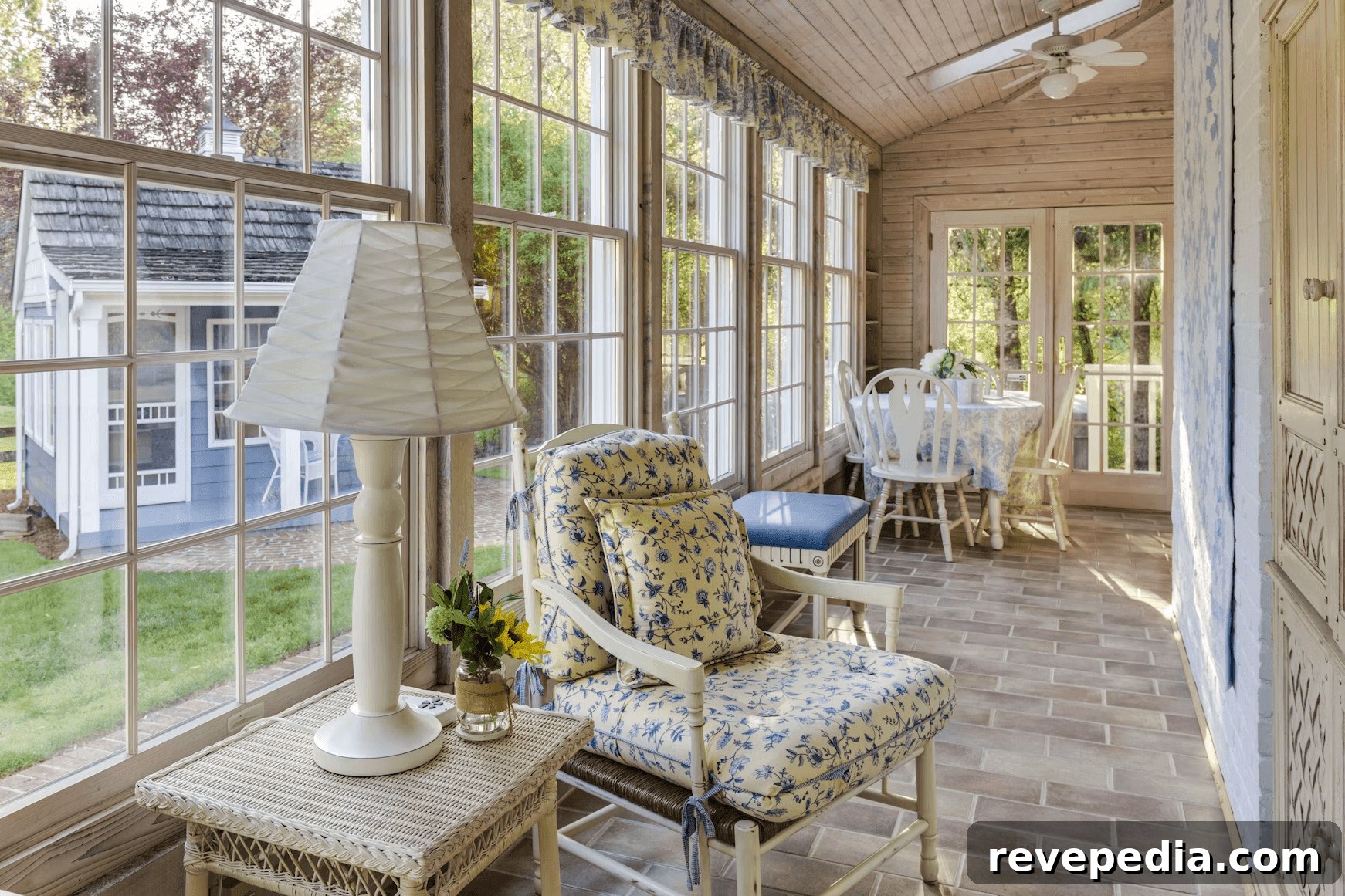
Structuring Payment Schedules For Peace Of Mind
Establish a payment schedule tied to completed milestones—foundation, framing, roofing, and final inspection—rather than paying large sums up front. Holding back the final payment until municipal inspections and your final walkthrough are complete protects you if work is incomplete or requires correction.
Smaller, milestone-based payments align incentives and reduce the risk of contractors abandoning a project. Never release final funds until building inspectors have signed off and all permit conditions are satisfied.
Reviewing Warranties and Post-Construction Service Plans
Long-term satisfaction depends on clear warranty coverage for materials and labor. Manufacturer warranties for framing, insulated glass, and roofing components typically require correct installation to remain valid, and reputable builders back their workmanship with multi-year labor warranties.
Request written warranty documents before signing the contract and ask how service requests are handled after completion. Prompt follow-up for minor adjustments—such as window seal tweaks or door alignment—demonstrates a contractor’s commitment to customer service.
Make sure you receive physical warranty booklets and written care instructions at project closeout so you know who to contact for maintenance and what actions might void coverage. Clear warranty terms help avoid unexpected expenses down the road.
Choosing the right contractor turns your sunroom vision into a comfortable, durable extension of your home. By researching credentials, comparing detailed bids, inspecting construction practices, and structuring milestone payments, you minimize risk and maximize long-term enjoyment and value.
Taking these practical steps protects your investment and ensures the new sunroom provides warmth, natural light, and relaxation for many years.