Few household problems are as common—and as irritating—as a blocked drain. Whether water refuses to flow away, a sink backs up, or a shower puddles around your feet, drain blockages are an everyday nuisance that most homeowners will face at some point.
Understanding what causes blocked drains, how to prevent them, and when to call a professional can spare you time, expense, and frustration. This guide explains the typical causes of blocked drains, practical prevention tips, safe DIY approaches for minor clogs, and clear indicators that it’s time to hire a licensed plumber.
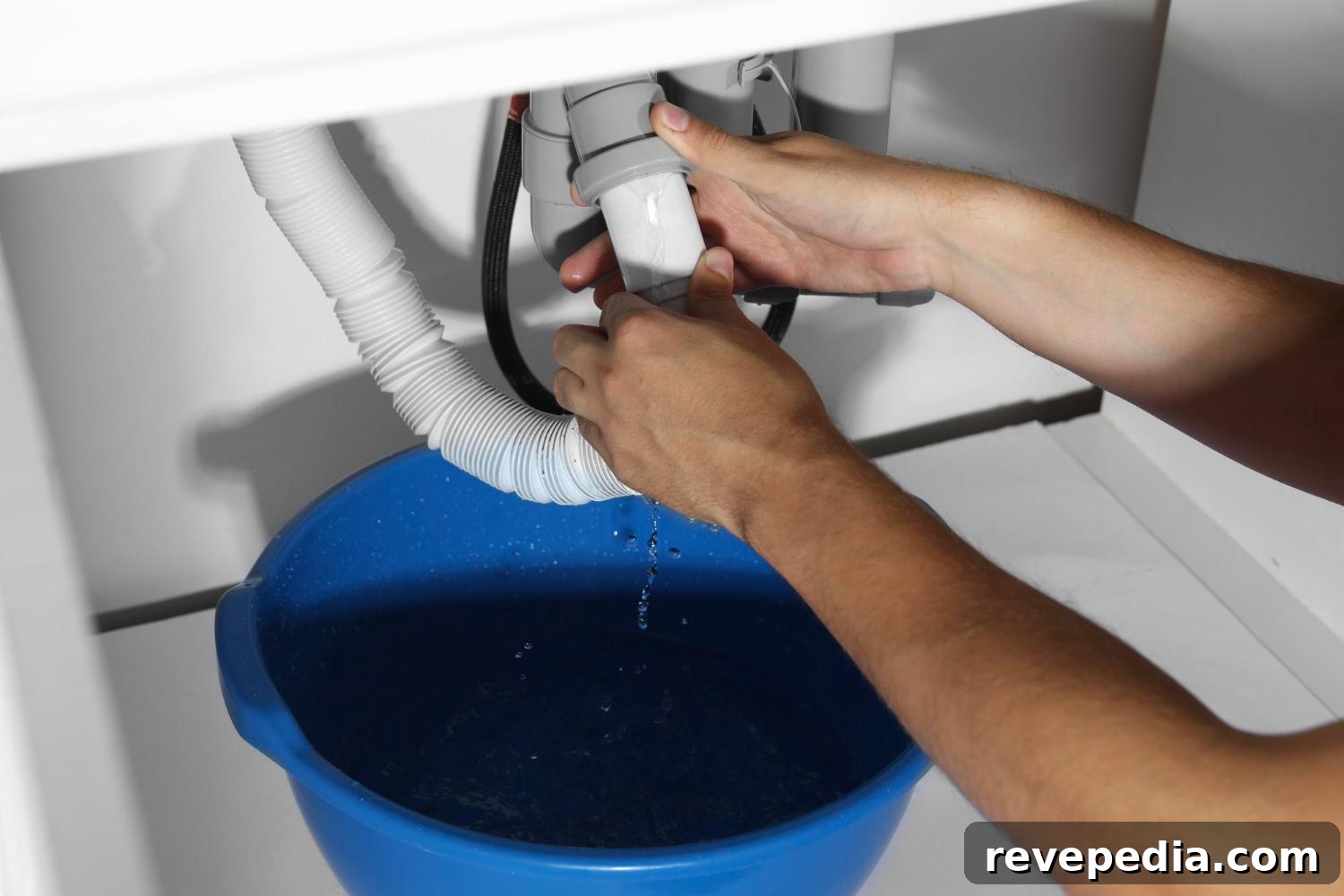
Image by New Africa on Magnific
What Causes Drains to Block
Most drain blockages stem from materials that gradually build up inside pipes and restrict flow. In kitchens, cooking fats, grease and food scraps are the most common offenders. Grease can cool and solidify on pipe walls, trapping food particles and narrowing the passage until water flows poorly or not at all.
Bathroom drains are often affected by hair, soap scum and personal care residues. Hair combines with soap and mineral deposits to form dense tangles that cling to the pipe interior. Small foreign objects—cotton buds, sanitary items, dental floss or small toys—can also cause obstructions when they become lodged in bends or narrow sections of the system.
Beyond debris, drainage problems can be caused by pipe damage, tree root intrusion, poor pipe installation or collapsed sections in older systems. Recurring blockages, foul odors, gurgling noises or multiple fixtures draining slowly may indicate a deeper issue within the drainage network rather than a single local clog.
Simple Habits to Prevent Blockages
Prevention is the most effective way to avoid blocked drains. Small, consistent habits make a big difference:
- Avoid pouring grease, oils or hot fat down kitchen drains. Wipe pans with paper towels and dispose of grease in the trash once cooled.
- Use a sink strainer or basket to catch food scraps and empty it into the bin regularly.
- Install drain covers in showers, tubs and bathroom sinks to capture hair and larger particles.
- Dispose of sanitary products, cotton buds, dental floss and wipes in the rubbish rather than flushing them. Even so-called “flushable” wipes can cause blockages downstream.
- Run hot water for a few seconds after washing dishes to help carry oils through the system, and periodically flush drains with hot water to reduce build-up.
Adopting these straightforward measures reduces the chance of buildup and preserves pipe function. Regular attention—checking strainers, clearing trapped debris, and avoiding risky disposals—keeps drains flowing and minimizes emergency repairs.
Tackling Minor Blockages
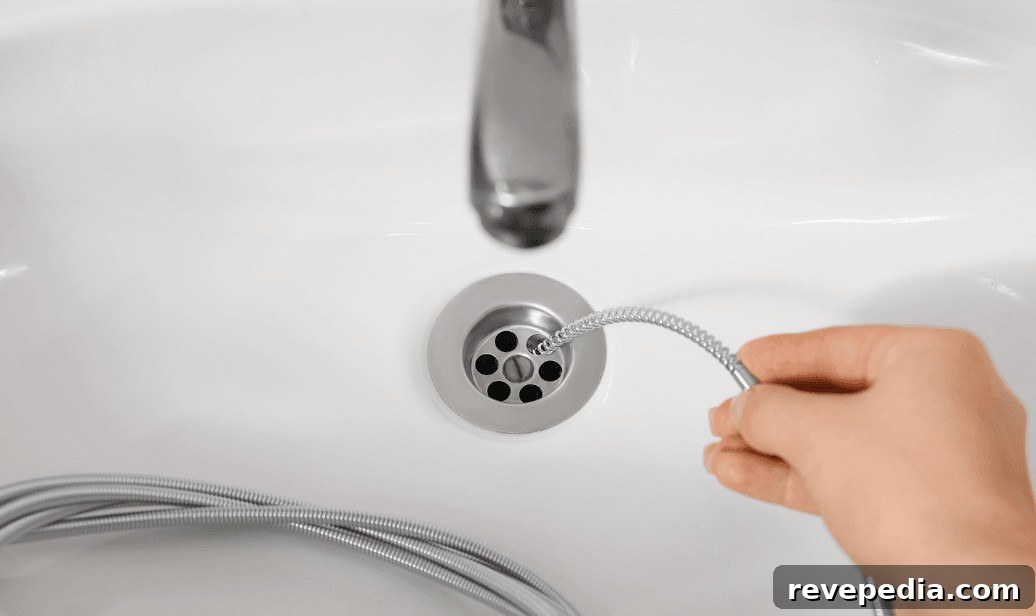
Some minor blockages can be resolved safely at home using gentle methods. Recommended first steps include removing trapped debris from visible strainers or U-bends, using a plunger on sinks or toilets, or employing a manual drain snake to clear short clogs.
A mixture of hot water and natural cleaning agents—such as a small amount of bicarbonate of soda followed by vinegar, then flushing with hot water—can help dissolve light organic build-up. Commercial enzyme-based drain cleaners are a gentler alternative to caustic chemical cleaners, which can damage pipes if misused.
Always avoid pouring harsh chemicals down drains, forcing tools beyond what the pipe can tolerate, or applying excessive pressure. If a simple plunger or manual auger does not clear the clog quickly, or if you notice slow drainage across multiple fixtures, stop and consider professional help to avoid worsening the problem.
When to Call a Professional
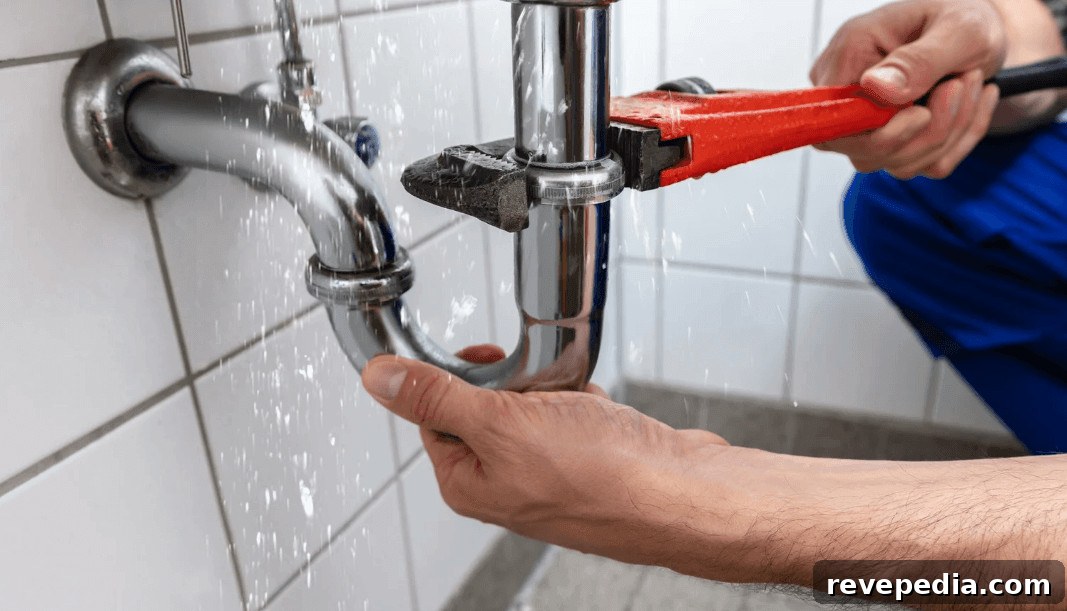
Some signs clearly indicate the need for a licensed plumber: persistent or recurring blockages, slow drainage in more than one fixture, sewage odors, gurgling sounds from drains, or visible backups that resist simple clearing methods. These symptoms may point to damage, root ingress, collapsed pipes or blockages located deep in the system that require specialist equipment and diagnosis.
A professional plumber uses CCTV inspection cameras to locate and assess blockages, hydro-jetting to clean pipe interiors safely, and mechanical augers for more stubborn obstructions. Engaging a qualified, licensed tradesperson ensures the root cause is identified and repaired rather than only treating symptoms. Professional work also protects your property and complies with local plumbing standards.
Keeping Your Drains Flowing
Blocked drains are a common household problem, but most are preventable with simple habits: keep grease and food out of kitchen drains, use strainers and drain covers in bathrooms, and dispose of non-degradable items in the trash. For minor clogs, gentle DIY methods can be effective, but recognize the limits of home repair.
Persistent, recurring or severe blockages require professional diagnosis and repair. Combining regular preventive care with sensible judgment about when to call a licensed plumber helps homeowners maintain reliable drainage, avoid costly damage, and keep their homes running smoothly.