
The living room is the heart of most homes — where families gather, guests are welcomed, and lazy Sunday afternoons unwind. At the center of that activity sits one piece of furniture that affects comfort, style, and daily life more than almost any other: the sofa. Despite its importance, choosing the right sofa is often rushed or left to the final stages of decorating. Making informed choices from the start prevents years of regret and ensures the sofa supports how you actually live.
Start With How You Actually Live
Before focusing on color, fabric, or brand, think about everyday use. Households with children or pets need upholstery that stands up to spills, claws, and frequent cleaning. If the sofa is primarily for two people who read and relax, a different level of comfort and a different fabric will be appropriate. Consider how you use the sofa: do you host large groups, eat meals on it, work from it, or nap there during the day? Practical habits narrow down the right shape, size, and performance characteristics more effectively than following trends.
Scale matters. A sofa that looks perfect in a spacious showroom can overwhelm a small apartment or disappear in a large open-plan living area. Measure the room carefully, mark the footprint with tape, and check clearances for walkways and doorways to avoid a costly mismatch. Account for circulation space so the sofa fits naturally within the room’s flow.
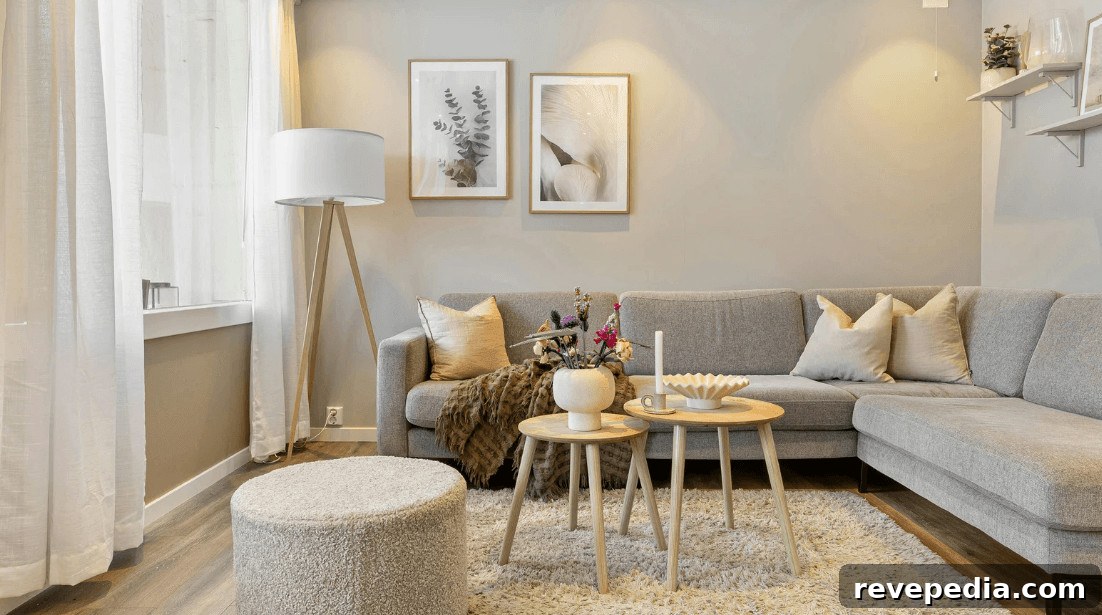
When exploring styles — from compact loveseats to large sectionals — compare configurations side by side to evaluate how proportions, seating capacity, and orientation will work with your layout. Visualizing the sofa in the actual room or creating a scaled floor plan helps you choose the best footprint for your living room, family room, or open-plan space.
Fabric, Frame, and Fill: What’s Underneath Matters
The upholstery attracts attention, but the frame and cushion fill determine comfort and longevity. Kiln-dried hardwood frames resist warping and provide long-term durability compared with softwood or particleboard. High-resilience or high-density foam keeps its shape longer than standard polyurethane. Feather-and-down cushions provide a plush, luxurious feel but demand regular fluffing and occasional replacement of fill to maintain loft.
| Feature | Budget-Friendly Option | Mid-Range Option | Premium Option |
| Frame | Softwood or particleboard | Hardwood composite | Kiln-dried hardwood |
| Cushion fill | Standard foam | High-density foam | Foam-wrapped down |
| Upholstery | Polyester blend | Performance fabric | Top-grain leather |
| Expected lifespan | 3–5 years | 7–10 years | 15+ years |
| Typical price range | $300–$700 | $800–$1,800 | $2,000+ |
Fabric selection is critical. Performance fabrics that advertise stain resistance and pet-friendliness combine durability with softer textures and easier maintenance. Leather is durable and develops character over time, but it shows scratches more readily and requires higher initial investment. Natural fibers like linen offer an elegant look but wrinkle and stain more easily, making them better suited to low-traffic or formal spaces.
Consider maintenance when choosing upholstery. Removable cushion covers and fabrics rated for machine washing or professional cleaning extend a sofa’s usable life. If children or pets are part of daily life, prioritize fabrics and finishes that tolerate spills, abrasion, and routine cleaning without losing color or texture.
Color, Shape, and the Room’s Overall Balance
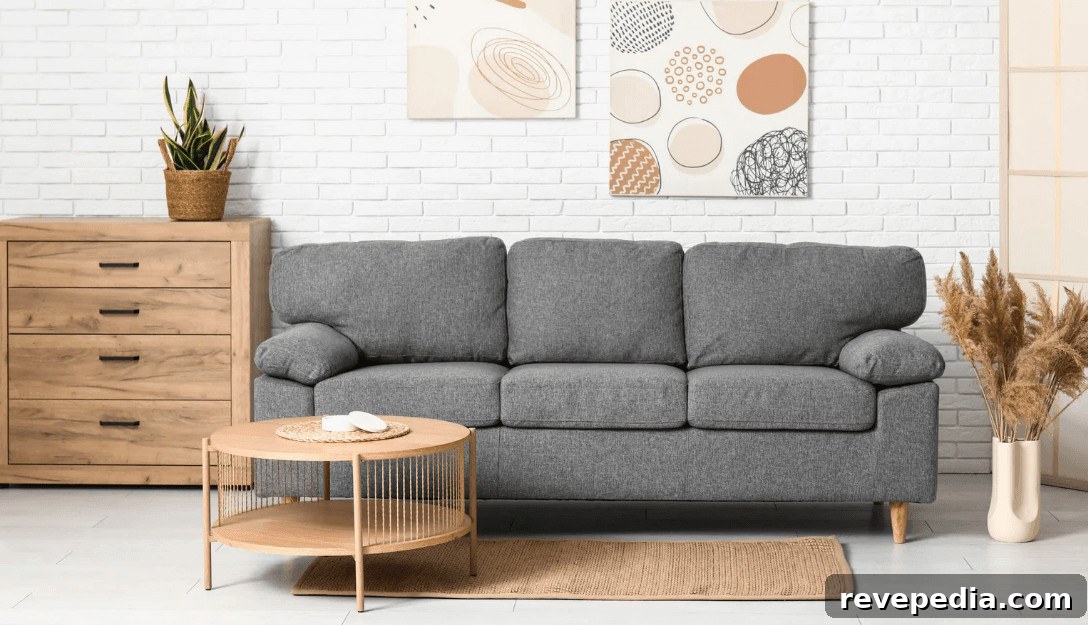
Neutral tones such as grays, beiges, and soft whites are dependable long-term choices because they adapt to changing decor and accent colors. A statement sofa in a bold color can anchor a room and define a style, but it also commits the space to a distinct palette for years. Since large upholstered pieces are replaced less often than accessories, think long term when selecting color.
Form and proportion are as influential as color. Track arms and clean lines read as modern and minimal; rolled arms and ornate profiles look traditional. Sectionals maximize seating in open-plan living rooms and are ideal for frequent entertaining, while a three-seat sofa paired with accent chairs offers flexibility for smaller rooms and formal settings. Balance the sofa’s scale with coffee tables, rugs, and lighting so the seating area feels cohesive rather than crowded or under-furnished.
A Simple Decision Framework
If the options feel overwhelming, use this checklist to guide your purchase:
- Define the use case — everyday lounging, formal entertaining, family living, or multi-purpose rooms.
- Measure the room — include doorways and hallways to ensure delivery and placement are feasible.
- Set a realistic budget — think in terms of expected years of use rather than the lowest upfront price.
- Test comfort in person — firmness, seat depth, and back support are hard to judge from photos alone.
- Match fabric to lifestyle — prioritize durability and ease of cleaning if you have kids, pets, or heavy use.
Final Thoughts
A sofa is rarely an impulse purchase and shouldn’t be. It defines how a living room feels, how comfortably people gather, and how well the space endures daily life. Taking time to consider lifestyle needs, construction quality, and proper proportion before committing to a color or style leads to a sofa that remains comfortable and attractive long after the new-furniture smell fades. For care and maintenance, consult reputable furniture care guides and follow manufacturer recommendations to keep upholstered pieces looking their best and extend their lifespan.