Plumbing problems rarely appear out of nowhere. More often, a home gives warning signs well before a minor issue becomes a major one—if the homeowner knows what to watch for. For the attentive homeowner, recognizing these early indicators is a practical skill that saves time, stress, and money, because addressing plumbing issues early is almost always simpler and less expensive than repairing the damage after problems have escalated.
Understanding the common warning signs that indicate a home’s plumbing needs professional attention helps homeowners act at the right time, protecting their property from the damage and expense caused by neglected plumbing systems.
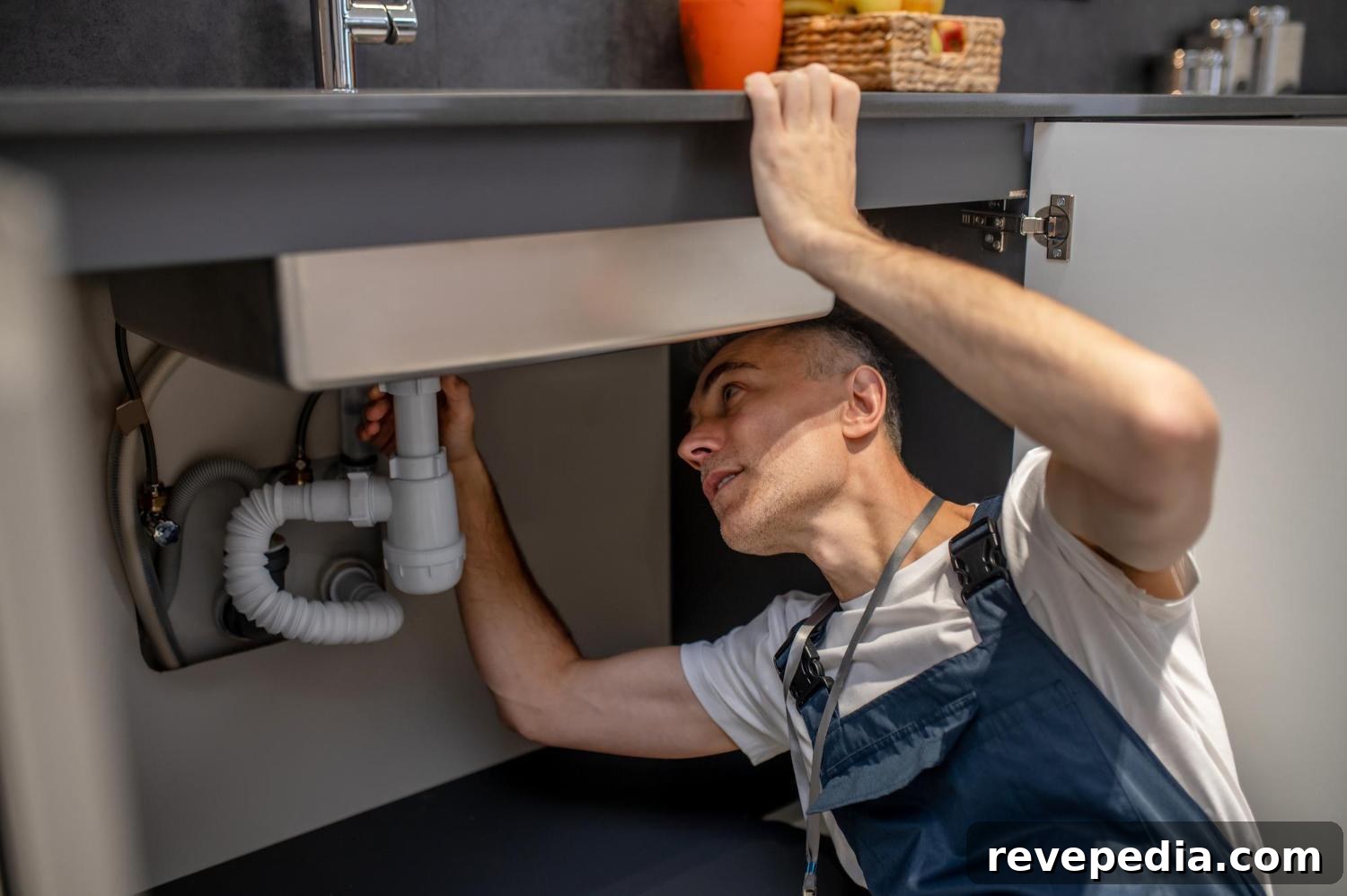
Image by zinkevych on Magnific
Why Early Recognition Matters
Recognizing early plumbing warning signs is important for a simple reason: problems caught and repaired early are typically less complex and less costly than those left to worsen. A small leak or a slow drain handled promptly rarely becomes more than a routine repair. Left unaddressed, the same issue can cause structural damage, promote mold growth, or lead to major fixture failure—often requiring extensive and expensive work.
Homeowners do not need technical expertise to spot many of these indicators. Awareness and a willingness to investigate when something seems off are usually enough. The key benefit of early recognition is the ability to engage qualified help while the problem is still manageable, protecting both the home and the household budget.
Visible and Audible Signs to Watch For
Many plumbing issues announce themselves through sight or sound. Visible water where it should not be—damp patches on walls or ceilings, discolored or warped materials, or pools of water on floors—indicates an issue that needs immediate attention. These signs often point to leaks in pipes, fittings, or fixtures and should not be ignored.
Changes in how the plumbing system behaves are also key indicators. Reduced water pressure, unusually slow drainage, and persistent dripping or running sounds when no fixtures are in use can all signal problems such as blockages, partial pipe collapse, or hidden leaks. Strange noises coming from pipes—gurgling, banging, or whistling—may indicate trapped air, loose fittings, or pressure imbalances that require inspection.
Acting on visible and audible signs quickly helps prevent small faults from escalating into more serious issues, and it often reduces repair costs and downtime.
Subtler Signs That Often Go Unnoticed

Not all plumbing problems are obvious. Subtle signals can point to hidden issues that, over time, cause significant damage. An unexplained increase in your water bill is a common early indicator of an unseen leak somewhere in the system. Even a small continuous leak wastes water and can gradually damage building materials.
Unpleasant or persistent odors near drains or in confined spaces can indicate trapped food, biofilm buildup, or sewage leaks. Areas that remain damp or unusually humid—especially in basements, under sinks, or behind appliances—can suggest slow leaks or inadequate ventilation linked to plumbing faults.
Paying attention to these less obvious signs complements the visual and audible checks and helps homeowners detect problems that might otherwise go undetected until they become severe.
How to Respond When You Notice a Warning Sign
Recognizing warning signs is only useful if it leads to timely action. When you notice indicators of a plumbing problem, investigate promptly rather than assuming the issue will resolve itself. Some problems are minor and can be fixed quickly, but many require professional diagnosis.
Engaging a qualified, licensed plumber is often the best course. A trained plumber can locate the source of the issue, evaluate its severity, and perform the correct repairs. Early professional intervention can prevent further damage, limit repair costs, and ensure the work meets safety and code requirements.
Delaying repairs usually leads to higher costs and more disruption. By responding quickly to any sign of trouble—visible water damage, changes in pressure and flow, unusual sounds, unexplained bills, or lingering dampness—homeowners can keep small issues from turning into major repairs.
Practical Tips to Stay Proactive
Routine checks and small preventive actions make a big difference. Periodically inspect under sinks, around appliances, and along exposed pipe runs for dampness or corrosion. Test water pressure and observe how quickly sinks, tubs, and showers drain. Monitor your water bill each month for unexpected increases, and address odd smells promptly.
Keep contact information for a reputable local plumber so you can act quickly when a problem appears. When repairs are needed, choose licensed professionals who provide clear estimates and work guarantees.
Conclusion: Attentiveness Protects Your Home
Learning to recognize the warning signs that a home’s plumbing needs professional attention is a practical and cost-effective habit. Whether signs are visible, audible, or subtle, staying alert allows homeowners to address problems at their most manageable stage. Prompt action and professional repair protect the home, conserve water, and avoid the greater expense and disruption of neglected plumbing issues. Attentiveness, combined with timely intervention, is one of the homeowner’s best defenses against costly plumbing failures.