
Selling your house can feel overwhelming, but with thoughtful planning and targeted effort it becomes manageable and even rewarding. Whether you’re relocating for work, downsizing, or simply seeking a fresh start, the objective is the same: present your property in the best possible light and attract qualified buyers. A clear plan—from curb appeal to closing—will help you move through the process confidently and efficiently.
Below are practical steps to prepare your home for sale and ensure the experience is as smooth and successful as possible.

First Impressions Matter
Buyers form an impression in seconds, so curb appeal is a critical first step in selling your house. Tidy landscaping, a fresh coat of paint on the front door, and well-kept entryway details invite potential buyers to explore further. Remove visible clutter from the porch and walkway, repair cracked steps or loose railings, and ensure the address and mailbox are clean and visible.
Simple landscaping updates—mowing the lawn, trimming overgrown shrubs, and adding a few seasonal plants in pots—can significantly boost a home’s perceived value. Exterior lighting and a welcoming doormat also enhance the first impression and improve photographs used in listings. These relatively small investments often deliver a strong return by increasing buyer interest.
Enhance the Interior
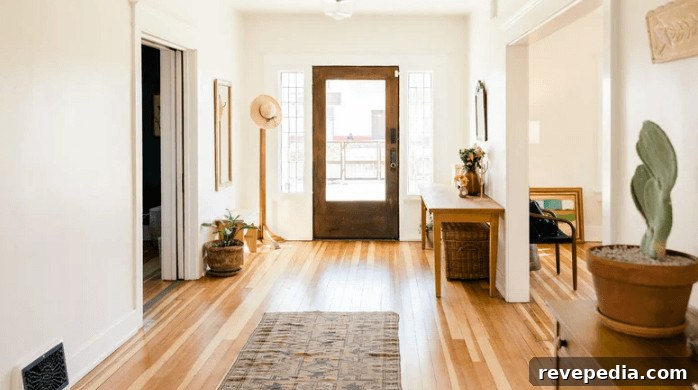
Inside your home, focus on creating a neutral, inviting atmosphere that helps buyers visualize their own life there. Remove personal items such as family photos and highly specific decor, declutter surfaces, and store excess belongings out of sight. Consider repainting walls in neutral tones to brighten rooms and create consistency throughout the house.
Staging doesn’t require expensive furniture—arrange existing pieces to open walkways and define spaces. Highlight attractive features like natural light, fireplaces, hardwood floors, or built-in shelving. Repair small but visible maintenance issues such as dripping faucets, stuck windows, loose cabinet handles, and squeaky doors. Addressing these details early prevents them from distracting buyers during showings.
These staging techniques apply across markets, from major metropolitan areas to smaller towns. For sellers in communities everywhere, a well-maintained interior signals that the property has been cared for and reduces buyer hesitation.
Set a Smart Price
Pricing your home correctly is one of the most important decisions in a sale. Research comparable sales in your neighbourhood to understand current market values and recent trends. Pay attention to final sale prices, days on market, and the condition of similar properties.
If you’re uncertain, consult a local real estate agent for a comparative market analysis. A realistic, well-supported asking price attracts more buyers and can lead to faster offers. Overpricing often results in longer market time and may require price reductions that can deter interest.
Marketing Your Home
High-quality marketing multiplies buyer interest. Professional, high-resolution photos are essential for online listings and social media promotion—bright, well-composed images highlight your home’s best features and generate click-throughs. If possible, hire a real estate photographer who understands angles, staging, and lighting.
Craft an engaging listing description that communicates both features and lifestyle: proximity to parks, schools, transit, and shopping; nearby community amenities; and unique selling points like outdoor living space, updated systems, or recent renovations. Use clear, keyword-rich language that helps your listing appear in searches for terms like “homes for sale,” “move-in ready,” and the neighbourhood name.
Open Houses and Showings
Be ready for open houses and private showings by maintaining a consistently clean, welcoming home. Remove shoes, wipe surfaces, and ensure the home smells fresh—avoid overly strong fragrances. Natural light and soft background music can create a relaxed environment during showings.
During open houses, allow buyers to explore on their own while remaining available to answer questions. Encourage prospective buyers to open closets and cabinets so they can fully assess storage space and layout. Flexibility with showing times, including evenings and weekends, increases the pool of potential buyers who can visit.
Navigating Offers
When offers arrive, review them carefully beyond the headline price. Consider contingencies, financing terms, proposed closing dates, and any requested repairs. A higher offer with many contingencies may be less attractive than a slightly lower offer with fewer conditions and a reliable buyer.
Negotiation is a normal part of the process. You can accept, decline, or counteroffer. Clear communication and realistic expectations help negotiations proceed smoothly. If you’re working with an agent, they will present offers professionally and advise on strategy to maximize value and minimize risk.
Closing the Deal
After accepting an offer, prepare for inspections, appraisals, and closing paperwork. Keep organized records of disclosures, inspection reports, receipts for repairs, and any home improvement documents. Respond promptly to requests for information and be prepared to address minor issues uncovered during inspection.
Consider hiring a real estate attorney or relying on an experienced agent to ensure the closing process stays on track and all legal and financial requirements are met. Before handing over keys, do a final walkthrough to confirm agreed-upon repairs are completed and the home is in the expected condition.
Selling a house involves many steps, but careful preparation, realistic pricing, effective marketing, and attentive negotiation can lead to a successful sale. By focusing on curb appeal, interior presentation, and clear communication, you’ll increase your chances of attracting the right buyer and closing smoothly. Embrace the process as an opportunity to showcase your property and move confidently to your next chapter.