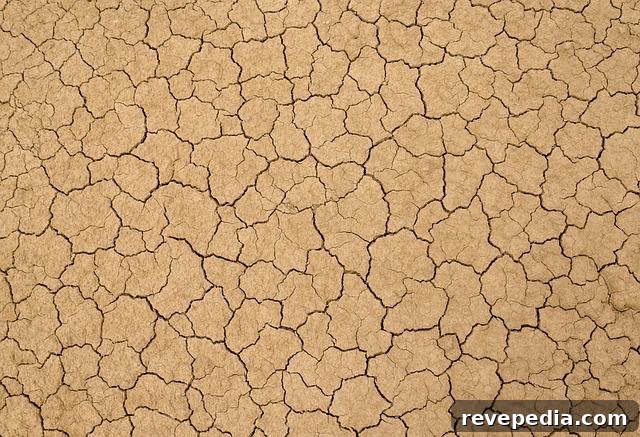
Understanding the difference between core aeration and liquid aeration is the first step for homeowners who want a healthier lawn, especially those dealing with clay soil. In North Texas, where clay soils are common, choosing the right aeration method can make a major difference in drainage, root development, and overall lawn resilience.
If you need professional lawn aeration services in North Dallas, contact a local turf care provider for tailored solutions that address clay soil challenges efficiently.
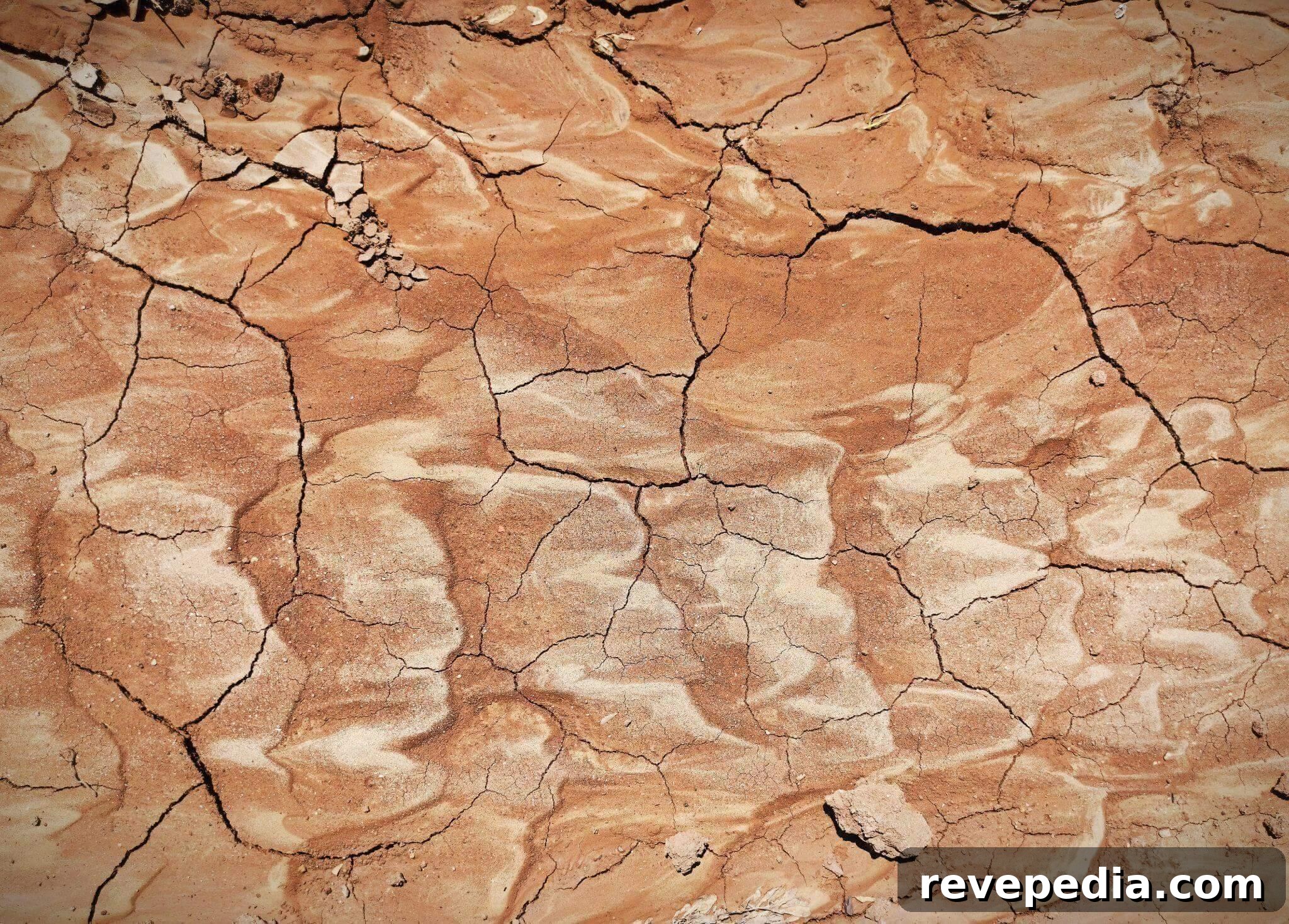
What Is Core Aeration and How It Works
Core aeration is a mechanical process that removes small plugs of soil from the lawn. By extracting cores from the turf, this method directly relieves soil compaction and creates space for air, water, and nutrients to reach grassroots more effectively.
How it works
A specialized aerator pulls out soil plugs that can be up to three inches deep. These cores are left on the surface, where they gradually break down and return nutrients to the lawn. The holes created by core aeration allow oxygen and moisture to penetrate deeper into the root zone, encouraging thicker, healthier root systems and improving overall soil structure.
Key benefits
Core aeration provides immediate relief from compaction and typically results in better drainage, enhanced root growth, and improved effectiveness of applied fertilizers. It is especially valuable for lawns with heavy foot traffic, clay-heavy soils, or lawns that suffer from standing water after rain.
What Is Liquid Aeration and How It Works
Liquid aeration is a non-mechanical approach that uses a sprayed solution to alter soil structure. The formulations often include surfactants or organic compounds designed to reduce surface tension and help loosen compacted particles on a microscopic level.
How it works
When applied, the liquid solution penetrates the soil and helps create small channels and fissures, enabling gradual improvements in air and water movement. Unlike core aeration, liquid aeration produces subtle, cumulative changes rather than instant, visible holes, so results may appear slowly over several weeks.
Key benefits
The primary advantages of liquid aeration are ease of application and minimal disruption to the lawn’s surface. Because it doesn’t leave visible cores or holes, it’s an attractive option for homeowners who want maintenance with no noticeable interruption to landscape aesthetics.
Core Aeration vs. Liquid Aeration: Direct Comparison for Clay Soil
Choosing between core and liquid aeration depends on soil conditions, urgency, and desired outcomes. Below is a straightforward comparison to help decide which method suits your lawn best.
Speed
Core aeration produces immediate, observable improvements in soil porosity and drainage. Liquid aeration works gradually, with benefits becoming noticeable over time as the soil structure responds to the treatment.
Effectiveness
For heavily compacted clay soils, core aeration is generally more effective because it physically removes compacted material and creates channels for rapid oxygen and water movement. Liquid aeration can be effective for mildly compacted or well-maintained lawns and is typically less expensive, but it is not as powerful for severe compaction.
Popularity
Both approaches are widely used, but their applications differ. Homeowners facing serious compaction or drainage issues usually prefer core aeration. Homeowners seeking routine maintenance or a less disruptive option may choose liquid aeration as a supplemental measure.
What Works Best for North Dallas Clay Soil
North Dallas’s hot climate and dense clay soils often amplify compaction issues. For lawns that experience poor drainage, shallow roots, or severe compaction, core aeration is typically the recommended solution.
Recommended: core aeration
Core aeration quickly breaks up compacted clay layers and restores oxygen flow to the root zone. It helps solve drainage problems and supports healthier, deeper root systems—advantages that are particularly valuable in Texas yards where heat and heavy soils stress turfgrass.
When to consider liquid aeration
Liquid aeration is best used for lighter maintenance, improving water infiltration in less-compacted areas, or as a follow-up to mechanical aeration. It should not be relied upon as the sole remedy for severe compaction, but it can be a useful complementary treatment.
Best Timing and Frequency for Aeration in North Dallas
Proper timing and frequency are essential for effective aeration. Most lawns benefit from aeration at least once per year; heavily compacted lawns may require two treatments annually.
Optimal seasons for aeration:
- Spring: Aerating in spring helps open the soil so grass can access nutrients and moisture before the summer heat arrives.
- Early fall: Aeration in early fall supports recovery from summer stress and helps fertilizers and water reach the root zone as the grass prepares for cooler weather.
Signs Your Lawn Needs Aeration in North Dallas
Watch for these indicators that aeration is needed. While some homeowners attempt DIY solutions, professional aeration services often deliver more consistent, cost-effective results—especially on clay-heavy sites.
Persistent drainage problems
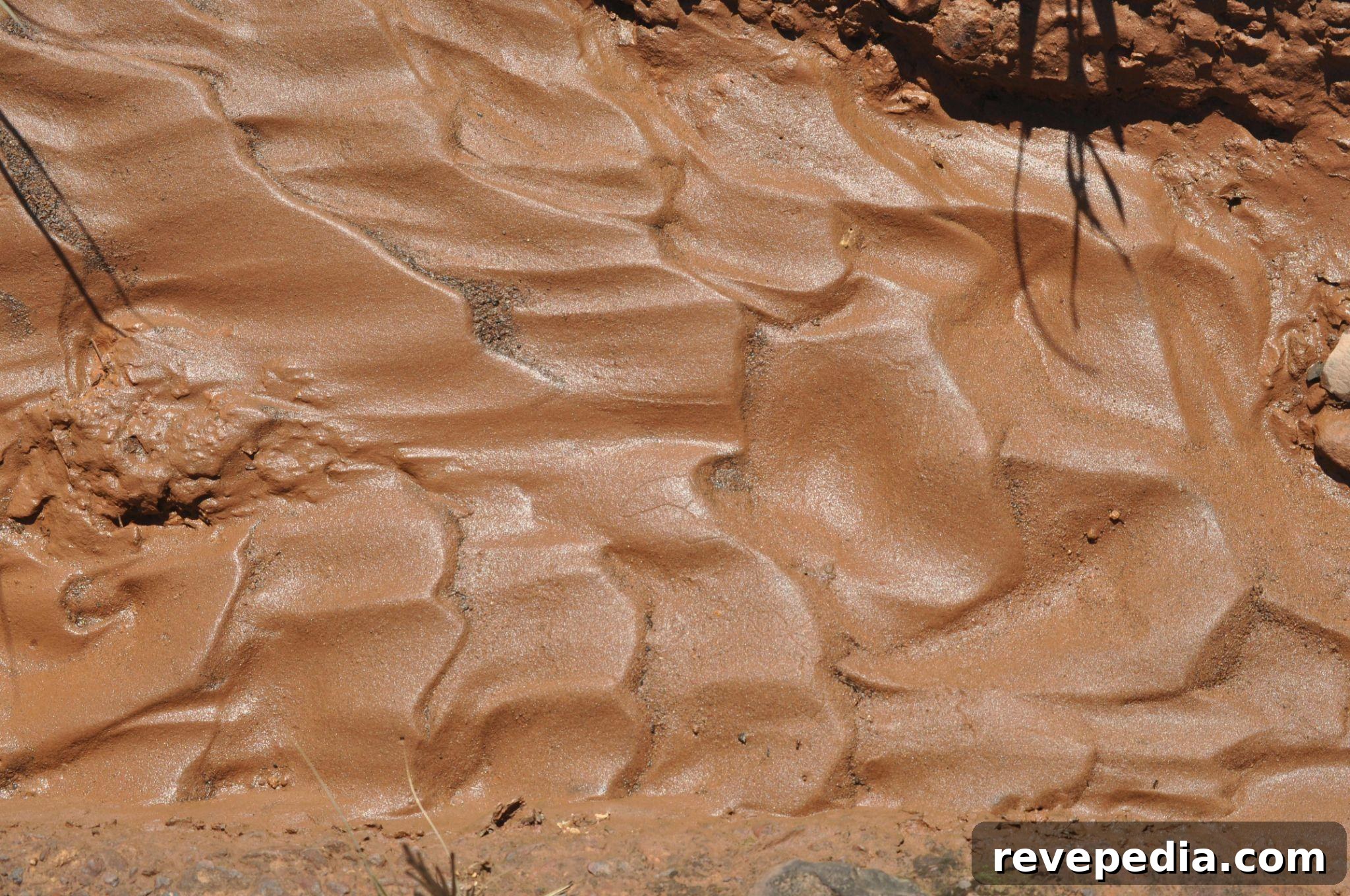
If water pools on the surface after rain and does not penetrate the soil, compaction is likely preventing proper drainage and root oxygenation.
Yellowing or thinning turf
Patchy, yellowing grass can indicate poor root health caused by compacted soil and limited nutrient uptake. A professional assessment can identify the underlying cause and recommend targeted aeration and soil care.
Heavy foot traffic or stressed areas
High-traffic zones often become compacted and struggle to recover. Reducing traffic on these areas and scheduling aeration can speed recovery and improve long-term turf health.
Conclusion
For lawns on North Dallas clay soils, core aeration is generally the most effective way to relieve severe compaction and improve drainage and root growth. Liquid aeration is a useful, low-disruption option for routine maintenance or mild compaction but should be viewed as a complement rather than a replacement for mechanical aeration when serious issues are present. If you are unsure which method is best, consult a local lawn care professional to evaluate your soil and recommend an appropriate aeration plan.