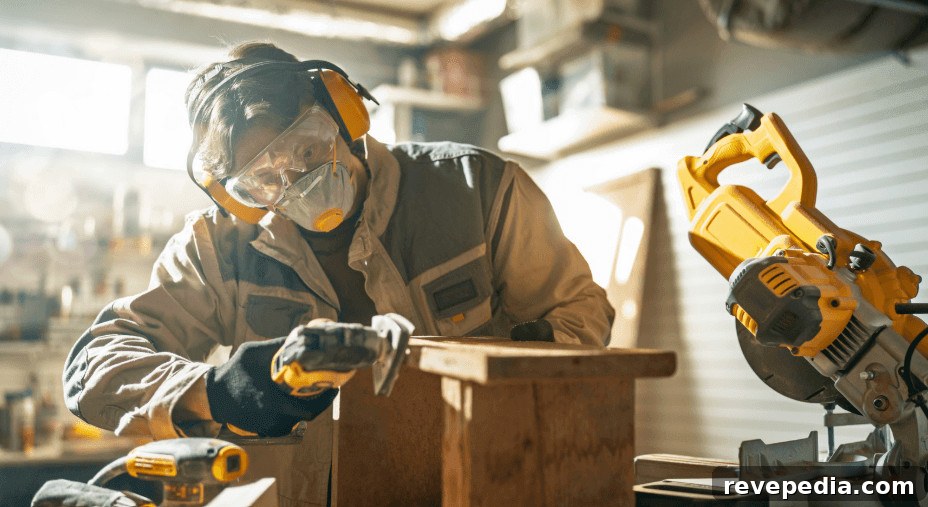
I usually recognize the tools I genuinely prefer by their appearance: they are rarely the neat, untouched ones. The tape measure with dents and scratches, the hammer with a worn, comfortable handle, the flashlight that’s always ready when I need to peer under a cabinet or beneath a truck—those are the items I reach for repeatedly.
They aren’t flashy, aren’t always the newest models, and seldom boast the longest feature lists. They succeed because they perform reliably.
Over time I’ve noticed the same principles apply to gear beyond the toolbox: work boots, pocketknives, backpacks, flashlights, and watches face similar demands. They must stand up to use, feel right in the hand, and do their jobs without getting in the way. Observing what works in those categories reveals a lot about what makes a tool worth keeping.
Start With the Job
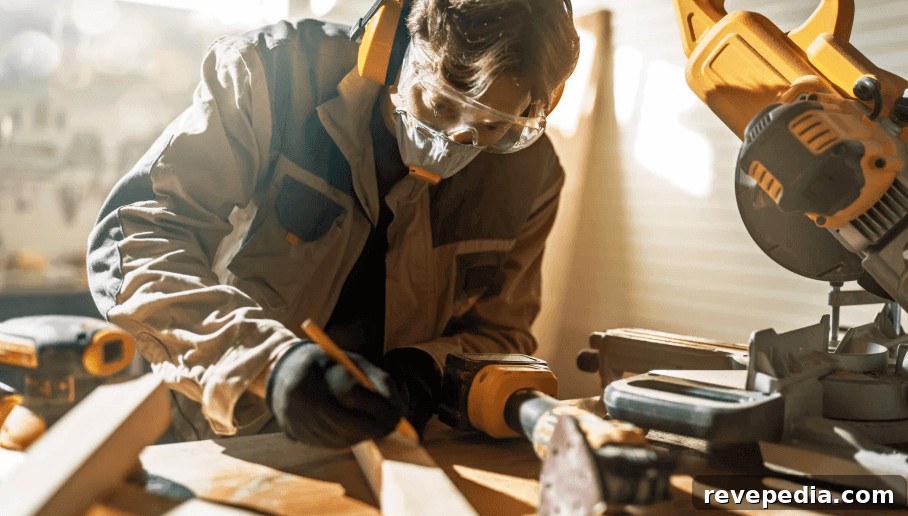
Good design begins with purpose. A framing hammer’s role is simple: drive nails efficiently, provide leverage to remove them, and stay manageable through repeated swings. Its weight, handle length, grip, and balance follow directly from that function.
When shopping for new tools it’s easy to get distracted by advertised specs—battery capacity, torque figures, and feature lists. Some features are genuinely useful, but many will remain at their default setting the entire time the tool is in use.
Outdoor gear illustrates this well. A waterproof jacket may have fewer vents because every extra zipper is a potential leak point. A hiking pack might look overloaded with straps until you use them to stabilize a heavy load. If you know the tasks you expect a tool to handle, the relevant features usually reveal themselves.
Look for the Part That Will Fail First
Rugged exteriors matter, but the failure-prone components often live inside the details. A tape measure’s case can resist countless drops while the hook loosens, the belt clip bends, or the printed markings fade near the tip. A metal flashlight can survive impacts but become useless because of a poor switch. Boots with durable uppers may fail when the sole separates.
When evaluating gear, pay close attention to hinges, switches, seams, springs, latches, and joints—the parts that will be used and abused most often. Those smaller components tend to reveal how well an item will age.
Good Gear Should Be Easy to Read — and What That Has to Do With Watches
Some tools need to convey information instantly. A tape measure with faint markings or a level with an almost invisible bubble slows you down because you must stop and squint. Clear, legible indications prevent mistakes and save time before a project even begins.
A professional dive or field watch illustrates the principle: high-contrast markers, bold hands, and uncluttered dials let you get the information you need at a glance. For specialized conditions, visibility is essential. A dive watch emphasizes luminous markers and a readable bezel; an outdoor watch prioritizes legibility in changing light and wet conditions. In every case the goal is the same—you should be able to glance, read, and return to work quickly.
One practical safety note: while a watch can be useful, remove jewelry and watches when operating machinery or saws to avoid entanglement hazards. That small precaution can prevent serious injury.
Your Hands Will Notice Things a Spec Sheet Won’t
Specifications tell part of a story—weight, dimensions, battery life—but they can’t tell you how a tool feels on the fifth hour of use. A screwdriver that feels fine for a few turns can become painful after dozens. A drill that feels solid when held at your side can feel heavy holding it overhead.
Grip texture, balance, control placement, and how a tool transfers vibrations into your hand are all felt rather than measured. For frequently used tools, trying them in hand before buying is one of the best tests: can you reach the trigger naturally, are controls sensibly placed, does the balance feel right for real-world tasks?
Clever Features Have to Prove Themselves
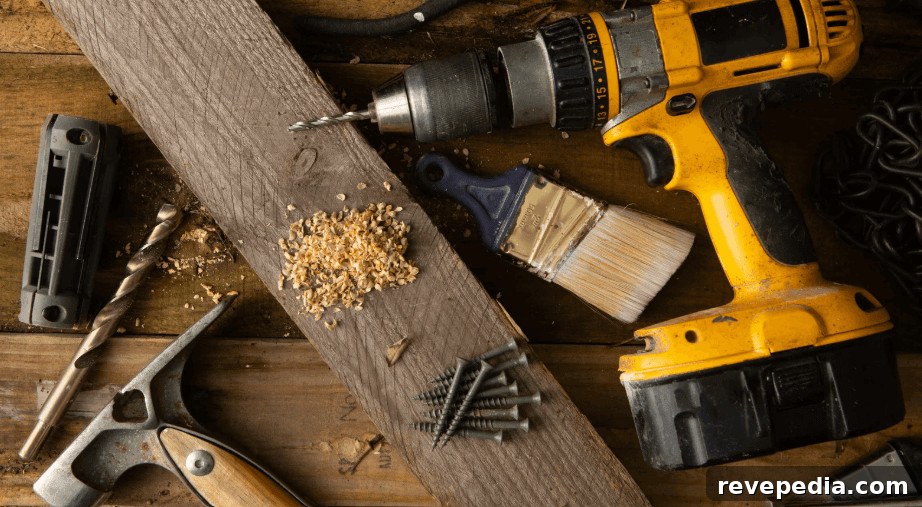
Extra modes and gimmicks can be useful, but they can also complicate simple tasks. I’ve owned flashlights that require too many button presses to reach a basic beam, forcing you to cycle through low, medium, high, and multiple strobe patterns before you get what you need.
Wanting a flexible tool is understandable; preferring a straightforward tool that does its core job reliably is often smarter. A tape measure with crisp markings, a dependable lock, and a smooth retracting blade is more valuable than one with seldom-used extras. The same goes for power tools: additional settings are worthwhile only if they solve problems you actually encounter, otherwise they become controls to remember.
Think About What Happens After a Few Years
New tools rarely reveal how they will age. Screwdriver tips wear, blades dull, batteries lose capacity, dust accumulates, and little parts break. Maintenance and repairability matter more over time than they do at first glance.
Before buying a tool you expect to use regularly, consider the replaceable parts: are blades and bits easy to swap? Is the battery serviceable or commonly available? Can you access areas that will need cleaning? If a common wear item fails, can it realistically be replaced rather than forcing you to discard the whole tool?
Not every inexpensive item must be built to last forever, but it’s frustrating to throw away a useful piece of equipment because one predictable wear part was never intended to be serviced.
Pay Attention to What You Already Use
An old workshop is often the best guide for buying new tools. Look at what’s actually worn and still used versus what looks new and sits untouched. The beaten hammer with marks across its face, the scratched tape measure with a name scrawled on the back, the flashlight with paint embedded in crevices—those items tell you they work for the job and the person using them.
The difference between tools that get constant use and ones that don’t is worth noting. Favored gear fits both the task and the user: you know where the controls are without looking, how it feels, and what it will tolerate. Specs are helpful, but they shouldn’t be the final arbiter. Often the best advice comes from the tools already sitting on your bench.