
Smart sunglasses are becoming a practical part of everyday gear, especially when your hands are full or you need to capture a quick moment. Instead of stopping to pull out a phone, unlock it, open the camera, and frame a shot, camera-equipped glasses let you record what’s in front of you while you keep moving. That convenience is useful on a bike ride, during a DIY project, while traveling, or whenever something happens too quickly to reach for a phone.
Their strength isn’t replacing a high-end smartphone camera—it’s offering a hands-free, eye-level perspective that makes capturing first-person footage easier and less intrusive. For people who value convenient technology, seamless workflows, or a better way to document daily projects and experiences, smart sunglasses are becoming an appealing option.
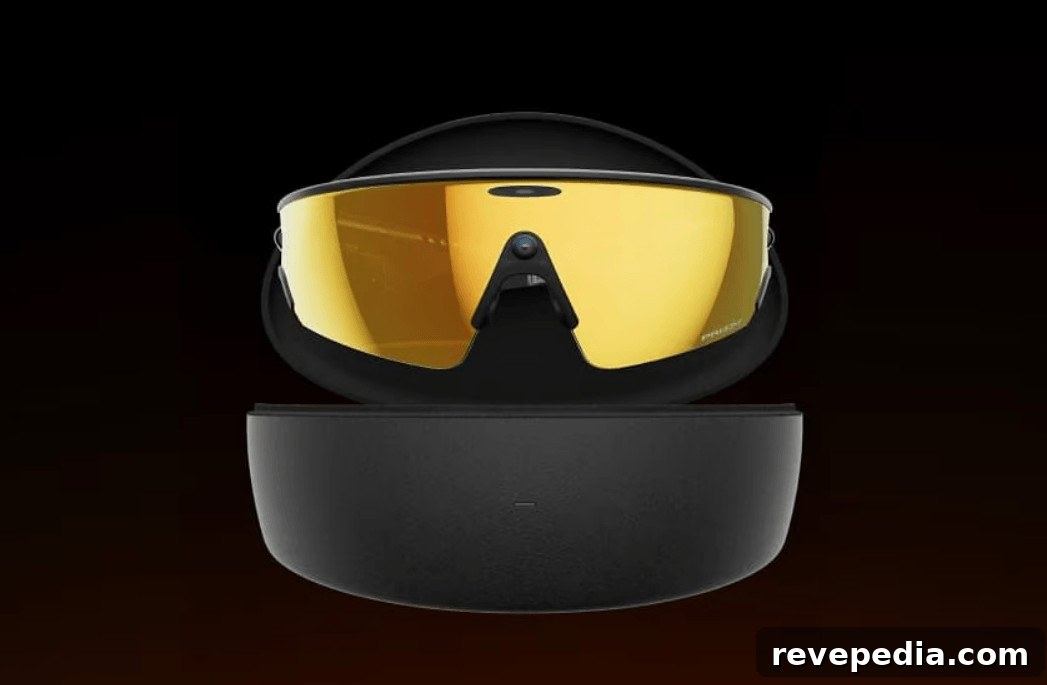
The Phone Has Always Been the Wrong Tool for This
Smartphone cameras are excellent, yet using them interrupts whatever you’re doing. You must find the phone, unlock it, open the camera app, and position the device—steps that can cause you to miss fleeting moments. People also often react differently once they notice a phone pointed at them, changing the authenticity of the scene.
The core issue isn’t camera quality, but the setup required to use it. Action cameras and wearable clip-ons have tried to reduce friction for years. Smart sunglasses extend that idea by keeping the camera on your face and near your line of sight, so there’s no separate device to pull out and aim. The camera stays passive until activated and follows your head movements, producing a different, more natural type of footage than handheld recordings.
What Eye-Level Footage Actually Does Differently
Sunglasses-mounted cameras capture video close to your natural line of sight. They don’t record exactly what your eyes perceive, but they deliver a consistent first-person perspective that’s hard to reproduce with a handheld phone. This viewpoint matters during conversations, travel, outdoor activities, and hands-on work: when you turn your head to look at something, the camera follows, preserving the moment without breaking the flow.
The result often feels more immediate. Rather than watching life through a phone screen while recording it, you stay present in the moment. For creators focusing on human interactions, travel scenes, tutorials, or street-level content, this perspective can bring viewers closer to the experience and create footage that feels authentic and immersive.
The Sharing Workflow Has Changed Too
Capturing better footage is only half the story—moving that footage to your phone and editing it must be simple. Older wearables required separate memory cards and transfers. Today’s smart glasses are designed to pair directly with phone apps that sync clips, provide basic editing tools, and make it easy to export material into the platforms you already use.
That means footage from a walk, bike ride, or quick outing can be reviewed and prepared for posting without a laptop. For creators who publish across multiple platforms, this removes friction and reduces the gear needed to capture first-person material. The same convenience benefits non-creators too: you can record candid moments of a trip, a family event, or a hands-on task without planning shots in advance.
Why Authenticity Is the Real Currency Right Now
Short-form social video often rewards immediacy over polish. Casual clips shot in kitchens, workshops, streets, and parks thrive because they feel personal and unfiltered. Smart eyewear complements that trend by recording small, natural movements—glances, gestures, expressions—that make footage feel alive and unposed.
That doesn’t mean first-person clips always outperform carefully produced videos. Success depends on subject, audience, platform, and execution. But smart sunglasses provide an accessible way to capture natural moments without turning everything into a production. For content creators, that can mean a larger, more authentic pool of material to choose from.
Beyond Content Creation: The Personal Archive Case
Many users will adopt smart sunglasses simply for memory keeping. Traditional photo libraries tend to capture posed shots and highlights, leaving out the everyday moments between those milestones. Glasses-mounted cameras make it easier to record small interactions—the weather on a walk, a child’s spontaneous reaction, or a fleeting scene seen while biking—that often trigger the strongest memories later on.
Over days and trips, those candid clips build a different kind of personal archive: a more complete record of what you were actually doing and experiencing. Months or years later, these short, unplanned moments often prove the most evocative.
The Social Layer: Sharing Without Stopping
Another practical benefit is that many smart sunglasses support voice control and quick interactions without reaching for a phone. Voice commands can take a photo, start recording, place a call, play messages, or interact with an assistant. While some advanced features still need a companion app, the hands-free options significantly reduce how often you must handle your phone.
This is particularly valuable when both hands are busy—during DIY projects, cooking, walking, or working outdoors. For creators who publish frequently, fewer interruptions mean more opportunities to capture useful footage and decide later what’s worth sharing. Instead of managing the camera, more attention can go to telling the story.
Smart Sunglasses Still Have Limits
Hands-free recording comes with tradeoffs. Battery life is a key constraint: video recording, speakers, calls, and AI features draw power, so runtime varies by model and usage. The small cameras used in spectacles also offer fewer framing options and less control than a phone; for carefully composed landscapes, difficult lighting, or long-range zoom, a smartphone or dedicated camera will likely perform better.
Privacy is another important consideration. Glasses-mounted cameras can be less conspicuous than a phone held up, so visible recording indicators and responsible use matter. Wearers should be mindful of when recording is appropriate and ensure people around them are aware when necessary.
Understanding these limits clarifies where smart sunglasses shine: convenience, a true first-person perspective, and hands-free capture—especially when those things matter more than total control over every shot.
Conclusion
Smart sunglasses are not a replacement for the best smartphone photos, but they fill a clear niche. When pulling out a phone is inconvenient—while riding, working with both hands, exploring a new city, or trying to capture a moment before it’s gone—having a camera ready at eye level is genuinely useful.
They offer a reliable way to record candid, first-person footage without turning every moment into a filming setup. For everyday users and creators alike, smart sunglasses can become a practical and compelling piece of everyday gear: reach for your phone when you need perfection, and let the glasses capture the moments you want to keep and keep going.