
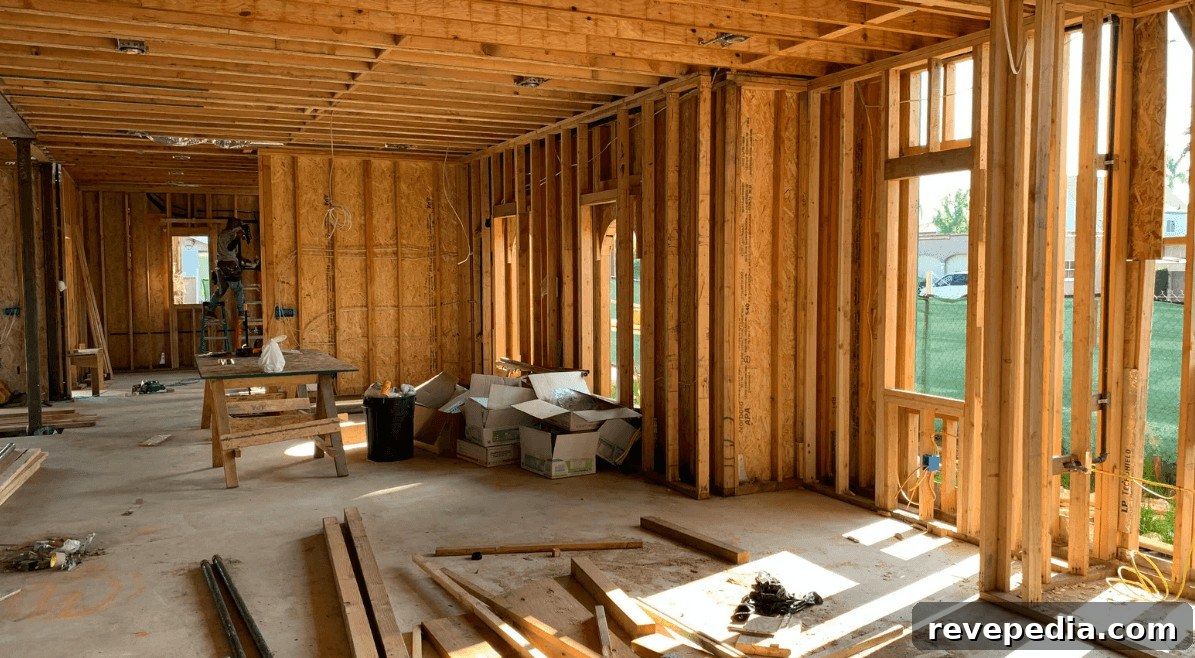
A major home improvement can transform how you live in your house every day. Whether your kitchen no longer suits your family’s needs, you need an additional bedroom, or parts of an older home require updating, the process often starts with imagining the finished space long before practical decisions are resolved.
Renovations frequently involve shifting costs, delayed materials, and differing opinions on design details once choices about cabinets and countertops arise. Addressing key topics before contractors arrive or demolition begins reduces conflict and keeps the project moving smoothly.

Defining Your Vision and Core Priorities
Successful projects start with a clear understanding of purpose. Before browsing finishes or picking fixtures, define why you are renovating and what a successful outcome looks like for everyone involved. Without this clarity, it’s easy to become distracted by small aesthetic choices and lose sight of the overall objective.
Identify the primary motivations for the renovation. Are you expanding living space for a growing family, modernizing structural elements, improving energy efficiency, or addressing accessibility concerns? A shared answer to these questions helps align priorities and reduce friction.
Household members often emphasize different aspects: one person may prioritize aesthetics and high-end finishes, while another focuses on durability, functionality, and cost-effectiveness. Discussing these differing priorities early allows you to create a list of non-negotiables and a secondary list of desirable features. This framework simplifies trade-offs when spatial or financial constraints arise.
Setting a Realistic Budget and Financial Strategy
Money is one of the most common sources of stress in renovations. Establish a comprehensive budget before hiring professionals or ordering materials. Include obvious line items like contractor labor, permits, and primary materials, and also plan for less obvious expenses such as temporary housing, meals during kitchen downtime, waste removal, and design or engineering fees.
Set aside a contingency fund—typically 15 to 20 percent of the total estimate—to cover unforeseen repairs, price changes, or additional work discovered during demolition. Decide how the project will be funded: savings, home equity, loans, or a mix. If costs are shared, agree on how expenses will be managed, documented, and tracked to maintain transparency and prevent disputes.
Consider practical payment logistics in advance. A shared account or a dedicated project account can simplify bill payments and expense tracking, but the most important element is a clear, agreed-upon process so everyone understands what has been spent and who is responsible for upcoming payments.
Establishing Timelines and Managing Daily Life Impact
Major renovations disrupt routines. Contractors can provide estimated timelines, but weather, material delays, and permit issues often change the schedule. Discuss how much flexibility you have, and identify any hard deadlines—such as events, lease expirations, or seasonal constraints—that could affect planning.
Address the practical realities of living near an active worksite: noise, dust, increased foot traffic, and periodic utility interruptions. Plan logistics for daily life during peak disruption:
- Where will cooking and food prep occur if the kitchen is unusable?
- How will temporary interruptions to power, water, or internet be handled?
- What steps will protect pets and children from hazards around the site?
Having contingency plans—such as setting up a temporary kitchenette, arranging alternate sleeping spaces, or booking short-term accommodation—reduces stress if timelines slip. Early planning keeps the household functional while work proceeds.
Selecting the Right Professional Team
Choosing the right contractor, designer, and tradespeople is critical. Clarify expectations for communication—do you want daily updates, weekly check-ins, or access to an online project portal? Match your preferred communication style to the professionals you interview.
When evaluating candidates, review licensing, insurance, portfolios, and references. Ask recent clients about schedule adherence, cleanliness on-site, and how the contractor managed unexpected problems. A skilled professional not only executes quality workmanship but also communicates clearly and respects your home.
Delegating Roles and Decision-Making Authority
Renovations generate many small decisions, from tile colors to outlet placement. Making every choice jointly can lead to delays and decision fatigue. Assign roles based on interests and strengths: one person may manage scheduling and budgets, while another focuses on finishes and design details.
Agree in advance on which decisions can be made quickly by one person and which require joint approval. Clear delegation speeds approvals, reduces misunderstanding, and keeps the project on schedule while ensuring everyone feels involved.
Preparing for the Unexpected
No amount of planning removes all surprises. Hidden structural issues, delayed deliveries, or last-minute changes are common. The value of pre-construction conversations lies in creating agreed priorities, budget limits, and decision authority so the team can respond quickly when unforeseen issues arise.
Accept that there will be stressful days. Dust, noise, and unfinished rooms test patience, but when the big questions are settled—budget, timeline expectations, priorities, and who has final say—you spend less energy arguing and more time resolving practical problems. That clarity helps the renovation stay manageable and increases the likelihood the finished home will reflect the shared vision.