
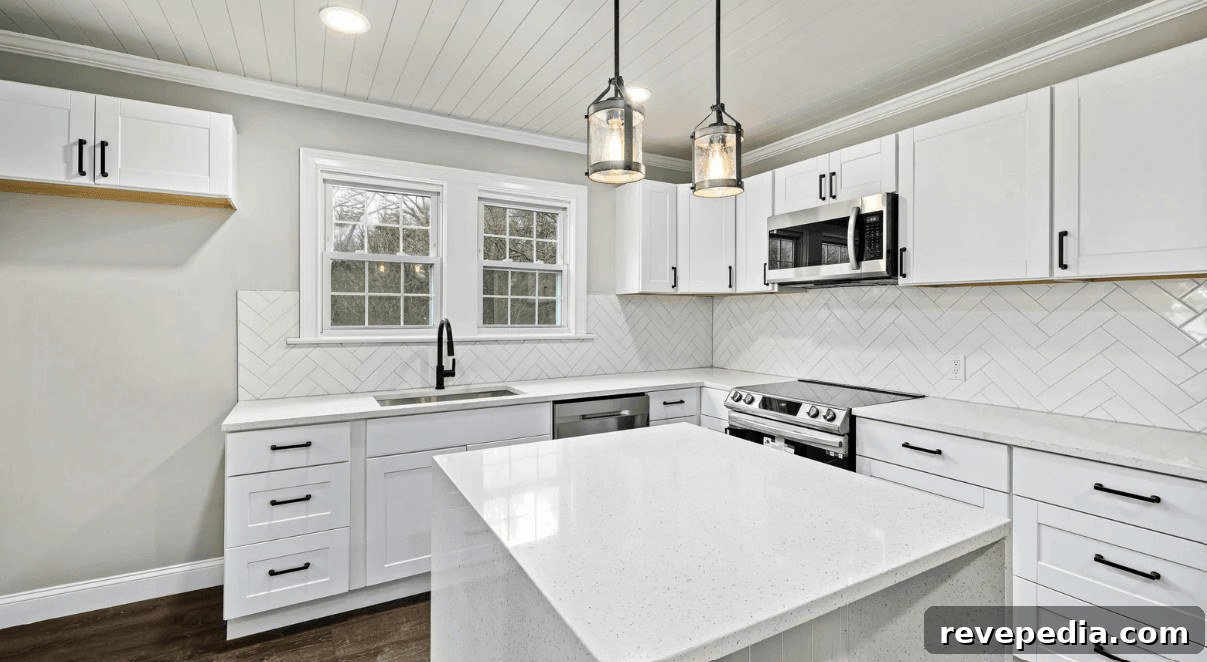
A kitchen renovation is an excellent opportunity to create a space that truly reflects how you like to cook and live. If you approach cooking as a creative pursuit rather than a chore, your remodel should support that mindset. A thoughtfully designed culinary kitchen goes far beyond fresh cabinets and new countertops; it’s about building an efficient, inspiring environment that supports every step of the cooking process, from washing and chopping to cooking and plating.
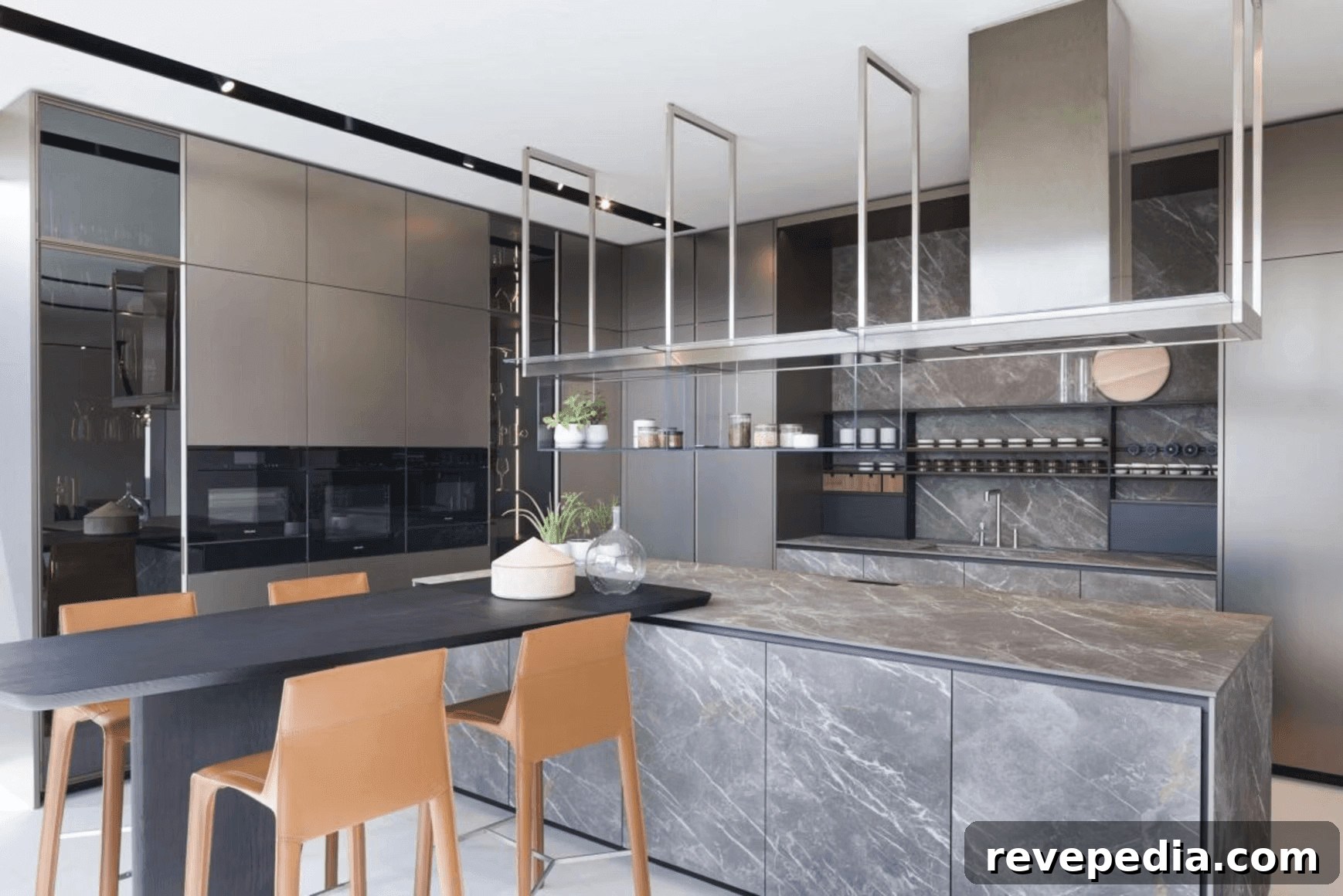
Image Credit: Unsplash
Plan Your Dream Kitchen Layout
Every successful kitchen begins with a thoughtful layout. The classic “work triangle” connecting sink, stove, and refrigerator remains useful, but today’s kitchens often benefit more from a zoned approach. Organizing your space into functional zones helps streamline tasks and reduce wasted steps. Consider these key zones as you plan:
- Pantry & Fridge Zone: Storage for perishables, dry goods, and bulk items.
- Dish & Glass Zone: Everyday plates, cups, and cutlery, ideally near the dishwasher for quick stowing away.
- Cleaning Zone: Main sink and dishwasher area for washing and cleanup.
- Prep Zone: A generous stretch of counter located between sink and cooktop to handle chopping, mixing, and staging.
- Cooking Zone: Stovetop, oven, and related cooking equipment.
Study how you move while cooking. If your routine typically involves grabbing vegetables from the fridge, rinsing them at the sink, prepping on a counter, then moving to the stove, configure those zones to minimize distance and friction. An island can centralize prep and storage and even host a cooktop. For smaller spaces, a galley layout can keep everything within an easy reach. Map your workflow before finalizing the floor plan so the kitchen supports how you actually cook.
Storage Solutions for Fresh Ingredients
A kitchen optimized for cooking makes it effortless to keep fresh ingredients accessible and visible. Design a pantry with pull-out shelves, clear containers, and labeled bins so ingredients are easy to find. Combine deep drawers for bulk items like flour and sugar with shallower shelving for spices and canned goods to avoid items getting lost in the back.
Your refrigerator is crucial: choose models with flexible shelving, humidity-controlled crisper drawers, and possibly a full-width pantry drawer for large trays and platters. Reserve the coldest spots for highly perishable items and wrap aromatic foods tightly to prevent cross-odor transfer. Thinking through these specifics during the design phase helps maintain freshness and functionality.
Open storage also plays a role. Use wire baskets for root vegetables, a decorative bowl for everyday fruit, and a small windowsill herb garden for fresh flavors at hand. When storage is intentional and organized, grabbing an ingredient becomes intuitive, helping you stay focused on the cooking itself.
Essential Tools and Smart Storage
Build the kitchen to accommodate your tools rather than tucking them away randomly. An “appliance garage” with a roll-up door can hide a stand mixer or blender while keeping them accessible. Vertical thinking helps too: consider a pot rack for heavy pans or tall cabinets with functional organizers.
Inside deep drawers, use robust dividers for pots, pans, and lids so everything stays orderly and easy to reach. Replace bulky countertop knife blocks with a magnetic strip or an in-drawer knife block for safety and convenience near your prep area.
Power planning matters: make sure outlets are plentiful around key prep areas and on the island, and add USB ports if you use digital recipes or a tablet while cooking. When the kitchen is planned around the tools you rely on, workflow becomes smoother and cleanup simpler.
Create a Dedicated Prep Area
Preparing ingredients—mise en place—works best when you have a clear, dedicated space. Aim for a lengthy, uncluttered counter between the sink and cooktop so you can rinse, chop, and slide ingredients straight into a pan. An island often serves perfectly as this hub and can incorporate a small secondary prep sink for added convenience.
Choose a prep-surface material that suits how you use the kitchen. Butcher block is warm and knife-friendly; stainless steel is highly sanitary and heat-resistant; quartz is durable, low-maintenance, and resists stains and scratches. Integrate built-in waste management under the prep counter—pull-out bins for trash and recycling—to keep the area tidy and speed final cleanup.
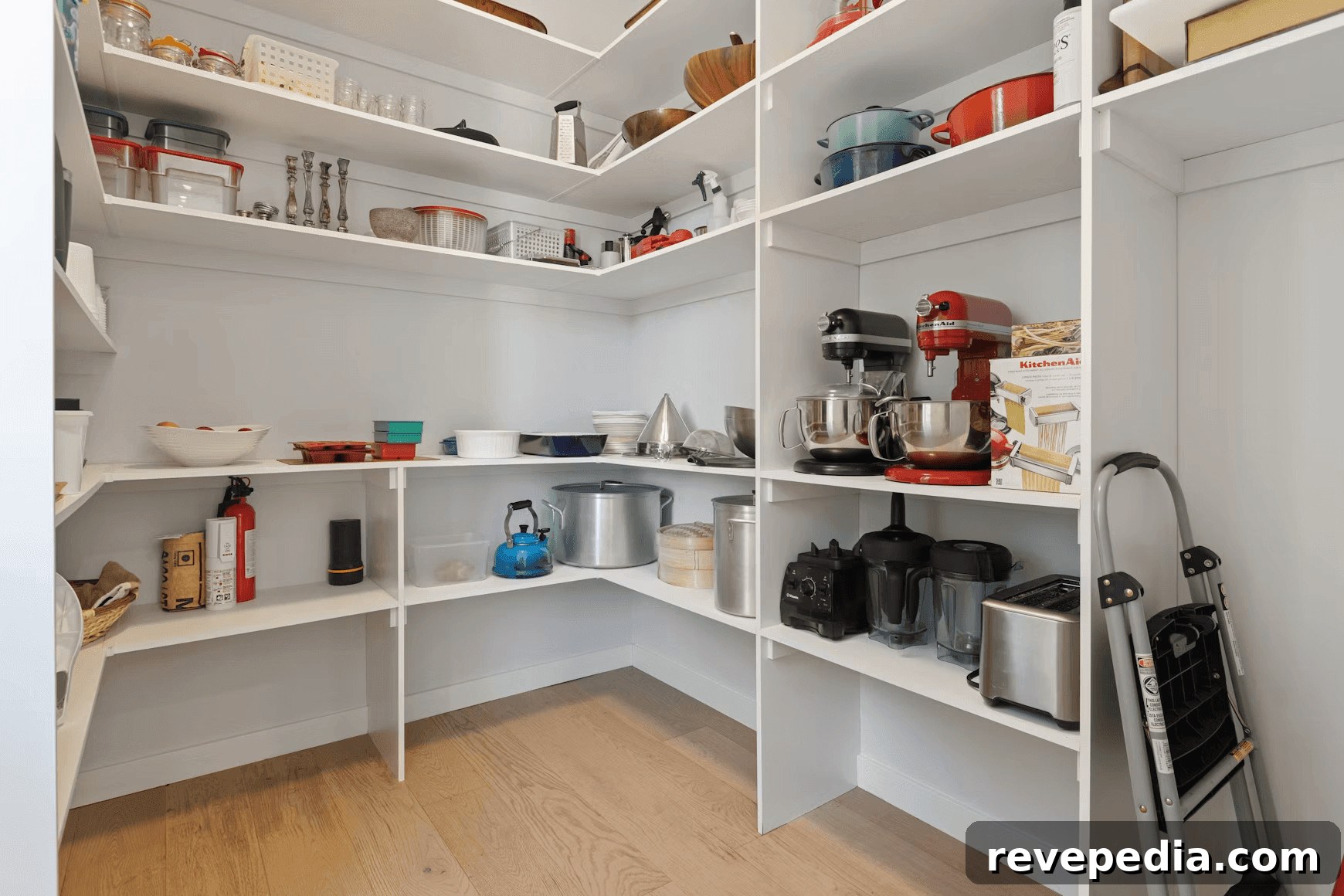
Image Credit: Unsplash
Sustainable Kitchen Choices
A renovation is an ideal time to incorporate eco-friendly choices that save energy, water, and resources over time. Select ENERGY STAR-rated appliances to reduce electricity use, and consider cabinet materials such as bamboo or formaldehyde-free plywood to improve indoor air quality. Countertop options made from recycled glass or paper composite provide durable, attractive surfaces while reusing waste materials, and reclaimed wood adds character while keeping materials out of landfills.
Water-saving fixtures like low-flow faucets and dishwashers designed for small loads can cut water use without compromising performance. Swap incandescent bulbs for LEDs to reduce energy use and maintenance. Small sustainable choices add up to meaningful environmental and economic benefits over the life of the kitchen.
Design with Joy and Function in Mind
Your kitchen should inspire you to cook and to gather. Focus on an efficient layout, thoughtful storage, and built-in supports for the way you actually cook. By designing around zones, tools, prep workflow, and sustainability, your renovation can deliver a beautiful, functional kitchen that becomes the welcoming heart of your home and the foundation for memorable meals.