
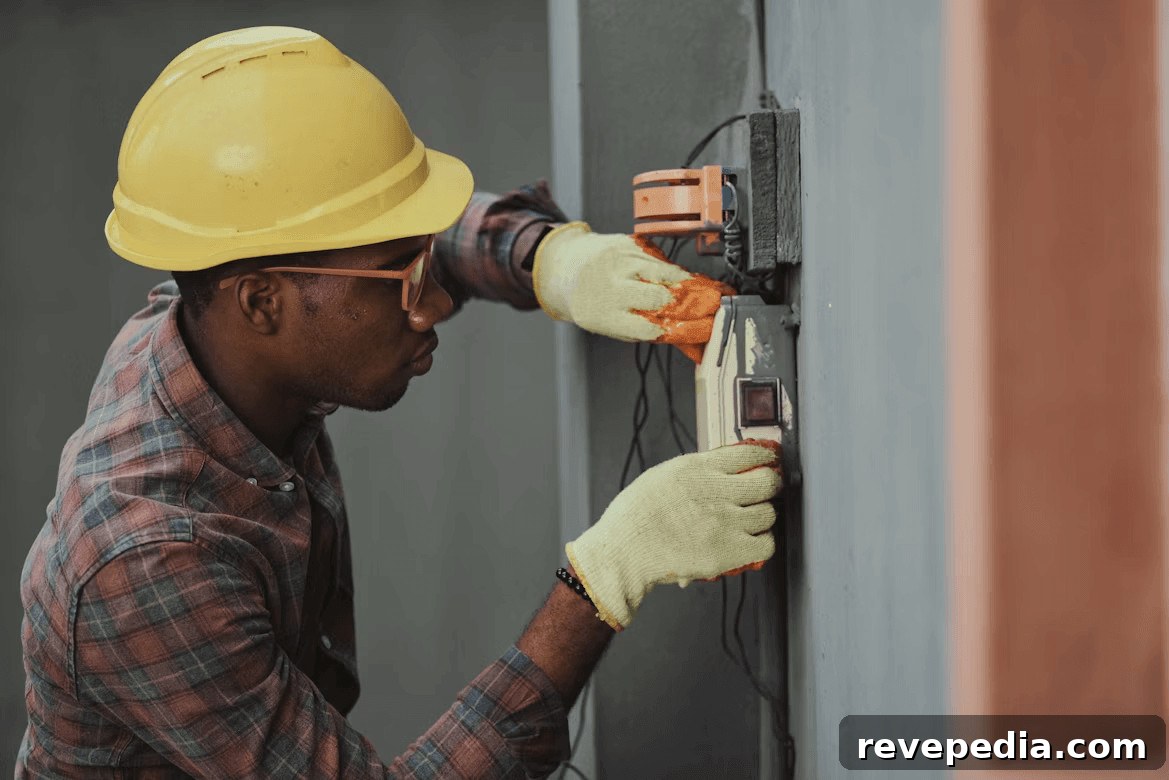
Every three years, thousands of electricians, engineers, inspectors and manufacturers meet to rewrite the rules that keep homes safe from electrical fires and failures. This is not an exaggeration: the National Electrical Code (NEC), the model used across most of the United States, is updated on that cycle and each revision runs hundreds of pages. Those changes rarely make headlines, but they affect everything from kitchen outlets to the wiring behind electric vehicle chargers.
What many homeowners don’t realize is that these codes aren’t imposed from a distant bureaucracy. They’re created by the people who design, install, test and inspect electrical systems. So when an electrician tells you a new kitchen needs ground-fault circuit interrupter (GFCI) outlets or that a panel upgrade requires new breakers, that guidance comes from a collaborative process where professionals translate field experience and research into enforceable standards.
What Actually Drives a Code Change?
Code revisions aren’t arbitrary. They respond to documented problems, technological advances and emerging hazards. When investigators repeatedly find fires started by damaged wiring that ordinary overcurrent protection didn’t detect, the evidence builds a case for new requirements—like arc-fault circuit interrupters (AFCIs). Researchers document failures, fire officials recommend remedies, and the code evolves to reduce future risk.
Fire and failure statistics provide the objective basis needed to justify changes. When researchers quantify how often faulty wiring causes fires or injuries, code panels have the data to support new mandates. Without that evidence, proposals lack the support required to become part of the code.
Technological change is another major driver. Two decades ago few code panels considered rooftop solar systems on widespread residential roofs or bidirectional EV chargers that feed power back into a home. Today these systems are common, and codes must adapt to reflect how people actually use electricity and energy storage.
Who Shows Up to Write the Rules?
The NEC isn’t produced by a single government agency. It is developed through a public, consensus-based process where anyone with a stake can submit proposals and technical committees vote on changes.
The committee room typically includes utility representatives, electrical contractors, fire marshals, labor union members, testing laboratory personnel and consumer advocates. Manufacturers participate too—often funding much of the testing that proves new devices and methods work. That mix balances commercial interests with the safety priorities of inspectors and the practical realities faced by installers.
Industry associations play a central role in coordinating contractors, advocating practical enforcement and funneling real-world installation experience into the revision process. Contractors and field electricians see product and installation failures long before they show up in academic reports, so their input is essential to crafting rules that are both safe and installable.
A surprising amount of the code-development work is volunteer-driven. Many seasoned electricians and engineers volunteer weeks of their time to serve on panels because the code only works when those enforcing it can actually implement its requirements.
A Recent Shift You Already Live With
You don’t need to read the NEC to feel its impact. Look at the outlets in your garage or next to your sink: those GFCI receptacles exist because code panels determined protecting people from electrical shock is worth the extra cost per outlet.
Tamper-resistant receptacles—those with internal shutters that prevent children from inserting objects—follow a similar path. Builders initially resisted the added cost, but the requirement became standard in new construction and contributed to a notable decline in childhood electrocutions. That’s how code changes translate into measurable safety benefits.
Workplace safety regulations often parallel electrical code updates. When construction falls under federal oversight, agencies that set workplace safety standards typically align their rules with the latest electrical practices, ensuring contractors train to the same expectations homeowners will eventually encounter in their houses.
How to Know if a Change Actually Matters for Your Home
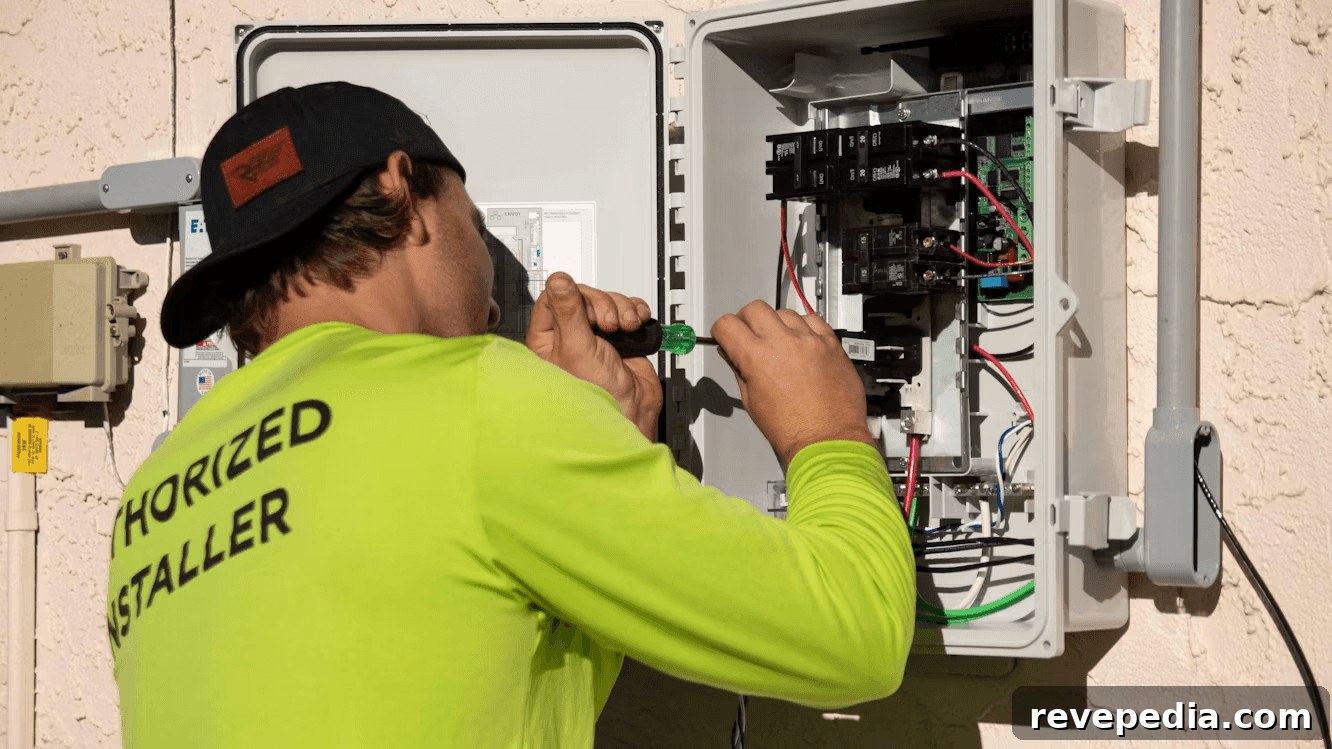
When does a code change affect you directly, and when is it mostly relevant to builders and remodelers? Most revisions matter more during new construction and major renovations. In general, existing wiring isn’t retroactively required to meet new codes; updates typically apply when you alter or add to your electrical system.
Still, several common updates are worth knowing before hiring an electrician:
- Kitchen and bathroom circuits increasingly require dedicated runs, which can trigger a panel upgrade during a remodel.
- Outdoor and garage outlets commonly require GFCI protection; if work is performed, contractors must follow current requirements.
- EV charger installations bring new load calculation rules and often reveal that older panels lack the necessary capacity.
If a contractor cites code when preparing an estimate, ask which edition of the code your jurisdiction has adopted. Many states and local authorities adopt new editions on a lagging schedule—often a year or two behind the latest NEC. A contractor quoting the newest national language in an area that hasn’t adopted it might be preparing you for future compliance or applying a stricter practice, but you should know which rules actually govern inspections in your location.
Why You Should Care About the Next Revision
The next code cycle is underway and will influence how homes are wired and protected for years to come. One major focus is residential energy storage. Battery backup systems used to be rare and treated like commercial installations; as batteries become common in garages and closets, codes must address fire containment, ventilation and safe integration with the electrical grid.
Another trend is the electrification of home appliances. As jurisdictions increasingly encourage or require electric appliances over natural gas in new construction, homes will demand higher electrical capacity for heat pumps, induction ranges and electric water heaters. Those appliance trends feed directly into load calculations and panel-sizing guidance.
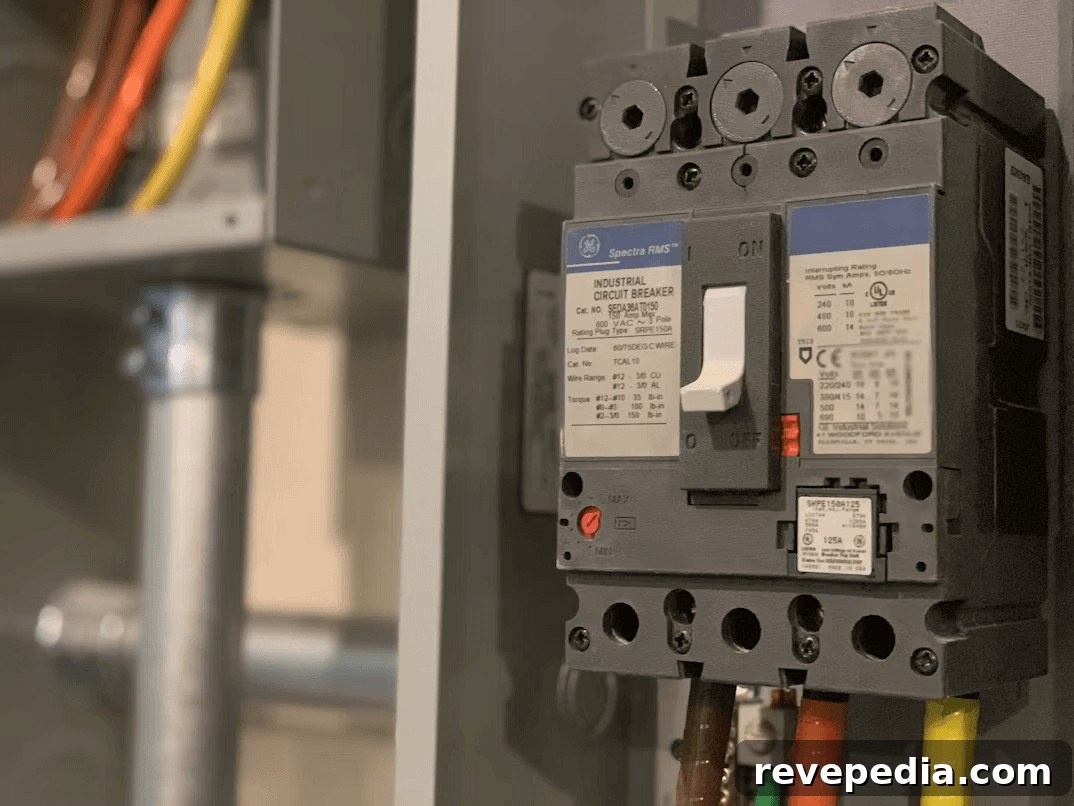
Code revisions are less about enforcing the past and more about preparing for how households will use energy moving forward. Every committee discussion on battery storage or bidirectional charging is essentially a forecast about residential energy behavior over the coming decades.
What This Means When You Hire an Electrician
You don’t need to memorize the NEC, but you should hire a professional who stays current with it and can explain the rationale behind recommendations. A skilled electrician won’t simply give a price; they’ll explain why a panel upgrade is necessary, demonstrate how the existing equipment falls short and, when relevant, identify the code language that drives the requirement.
Also ask whether the local electrical inspector enforces the latest adopted edition and how strictly they apply it. Inspectors are the on-the-ground enforcement arm of the code, and their interpretations determine what passes and what requires rework. Contractors familiar with an inspector’s preferences can save you time and expense during inspections.
Finally, remember that professional pushback on proposed code changes is part of the process. Field objections help catch impractical or unsafe ideas before they become law. Debate and revision among the people who work with electrical systems is how the code improves and adapts.
So next time an outlet in your kitchen looks different from one in an older house, you’ll know why: a group of practitioners studied failures, debated solutions and voted on a rule intended to keep you safer. It’s a slow, imperfect process—but it works, and it shapes the everyday safety of your home.