
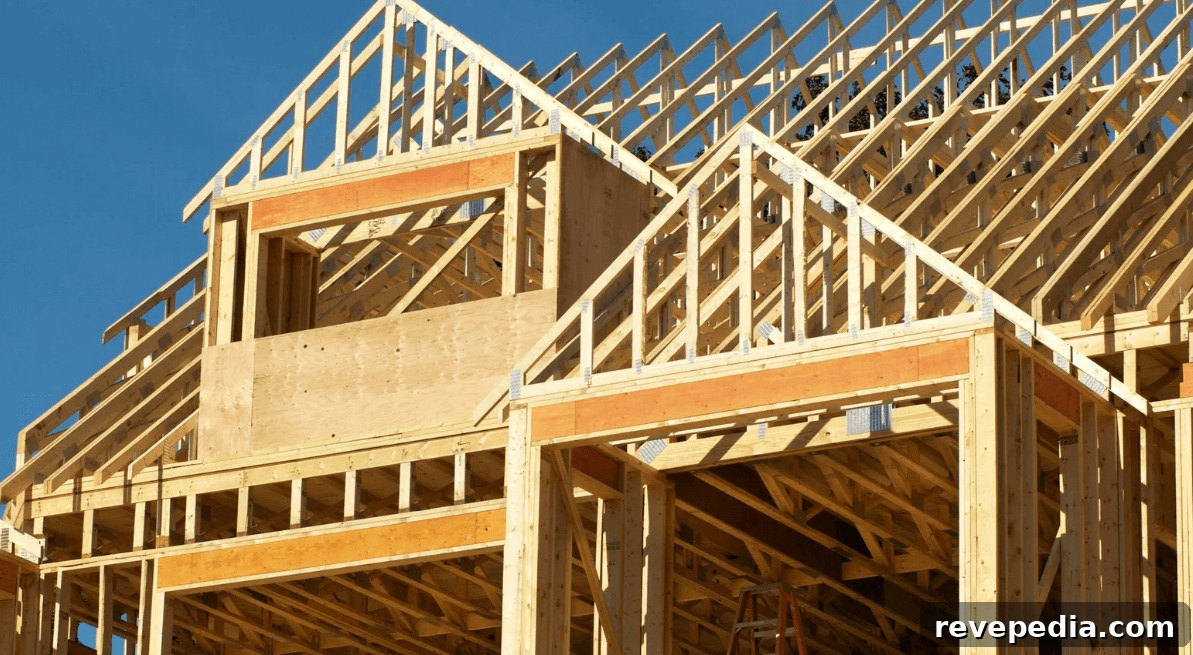
Construction sites bring together many different players: the general contractor who manages the project, subcontractors who perform specialized work like framing, electrical, plumbing, and roofing, equipment suppliers, and the property owner. When an accident occurs, determining who is responsible can quickly become complex because multiple parties may share roles or duties at the site.
Falls continue to be one of the most dangerous hazards in construction. In 2024, construction workers made up the vast majority of workplace fatalities involving falls to a lower level. Slips, trips, and falls also account for a large portion of nonfatal workplace injuries in the United States. For injured construction workers, consequences range from serious physical harm to extended time away from the job and loss of income.
Responsibility after a construction accident depends on the specific circumstances. The worker’s employer is often involved, but so can be a general contractor, subcontractor, property owner, equipment supplier, architect, or engineer. In many incidents, more than one company may have contributed to the unsafe condition that led to the injury.
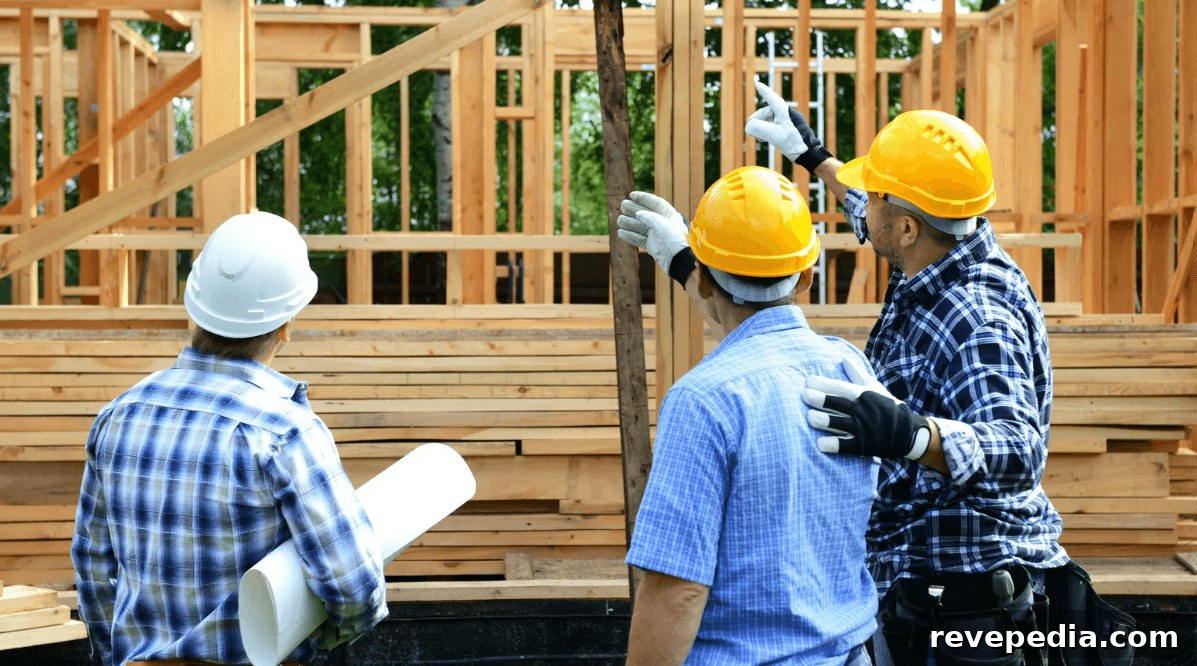
Why the Employer Isn’t Always the Whole Answer
Recovering from a construction injury involves more than physical healing—it affects financial stability, medical bills, and future earning capacity. Workers often look first to the company that employs them, but compensation from that employer frequently comes through the workers’ compensation system rather than a personal injury lawsuit.
Workers’ compensation generally operates on a no-fault basis, meaning employees typically do not need to prove employer negligence to receive medical treatment and wage replacement benefits. In exchange, most employers are shielded from personal injury suits brought by their employees. This is commonly called the exclusive remedy rule.
Under that rule, an employee injured because of their employer’s equipment or safety failures will usually pursue workers’ compensation benefits, not a negligence claim against the employer. However, the exclusive remedy principle mainly protects the injured worker’s direct employer and does not automatically protect every other company at the jobsite. That distinction becomes crucial when multiple contractors and crews share responsibility for site safety.
Other Parties That May Be Liable
Construction jobsites often involve many companies performing different tasks within the same work area. If a third party creates a hazard, the injured worker may have legal options beyond workers’ compensation. Whether a negligence claim against a third party is viable depends on who controlled the work, who created or knew about the hazard, and who had authority to correct it.
A general contractor or construction manager can be liable when a dangerous condition falls within an area they supervise and they fail to correct it—even if a subcontractor initially caused the hazard. Subcontractors themselves may be held accountable when their actions create unsafe conditions, such as leaving exposed wiring across common walkways or failing to secure scaffolding.
Property owners may face liability for hazards tied to the property or an existing structure. Equipment manufacturers and material suppliers can be implicated when defective tools or products cause injury, giving rise to product liability claims rather than ordinary negligence actions. Architects and engineers may share responsibility in limited circumstances, for example if a defective design or a failure to address a known danger contributed to the accident.
How Federal Safety Rules Help Determine Responsibility
OSHA does not decide civil liability, but its regulations and enforcement actions can clarify safety responsibilities on a construction site. Under OSHA’s multi-employer citation policy, more than one employer may be cited for the same hazardous condition. That policy recognizes different roles employers can play in creating, exposing, correcting, or controlling hazards.
OSHA identifies four employer types relevant to a hazard: the creating employer (who caused the dangerous condition), the exposing employer (whose employees were exposed), the correcting employer (responsible for fixing the problem), and the controlling employer (which has supervisory authority and can require corrections). A single company can fall into more than one category and may have obligations even if its own employees did not create the unsafe condition.
Clear safety training and documented procedures also help workers recognize hazards and follow protocols designed to prevent accidents. Training, site rules, and written assignments of responsibility can all be key evidence in later disputes over fault and liability.
Building a Case When Multiple Parties Are Involved
When several companies share a jobsite, identifying responsibility usually comes down to who controlled the work and the area where the accident occurred. Records such as site logs, subcontractor agreements, daily safety reports, toolbox talk notes, and earlier complaints about unsafe conditions can show who had the authority and duty to address hazards.
Photographs and witness statements gathered shortly after an accident are often critically important. These immediate observations typically present a clearer picture of conditions than reconstructions completed weeks or months later. Coordinating a workers’ compensation claim with a separate third-party negligence claim is also common; workers’ compensation insurers often have subrogation rights and may seek reimbursement from any third-party recovery the injured worker obtains.
Law firms that handle construction injury claims typically manage these overlapping issues, pursuing workers’ compensation benefits while also investigating whether a general contractor, subcontractor, property owner, equipment supplier, or another party could face separate liability. Determining fault starts with a careful review of what was happening at the time of the accident and who had responsibility for the work area and the hazard.
In many cases, responsibility is shared among multiple parties. The injured worker’s employer is only one piece of the puzzle; on busy jobsites where crews and contractors work side by side, the specific control, supervision, and contractual assignments often determine how liability is allocated after a construction accident.