
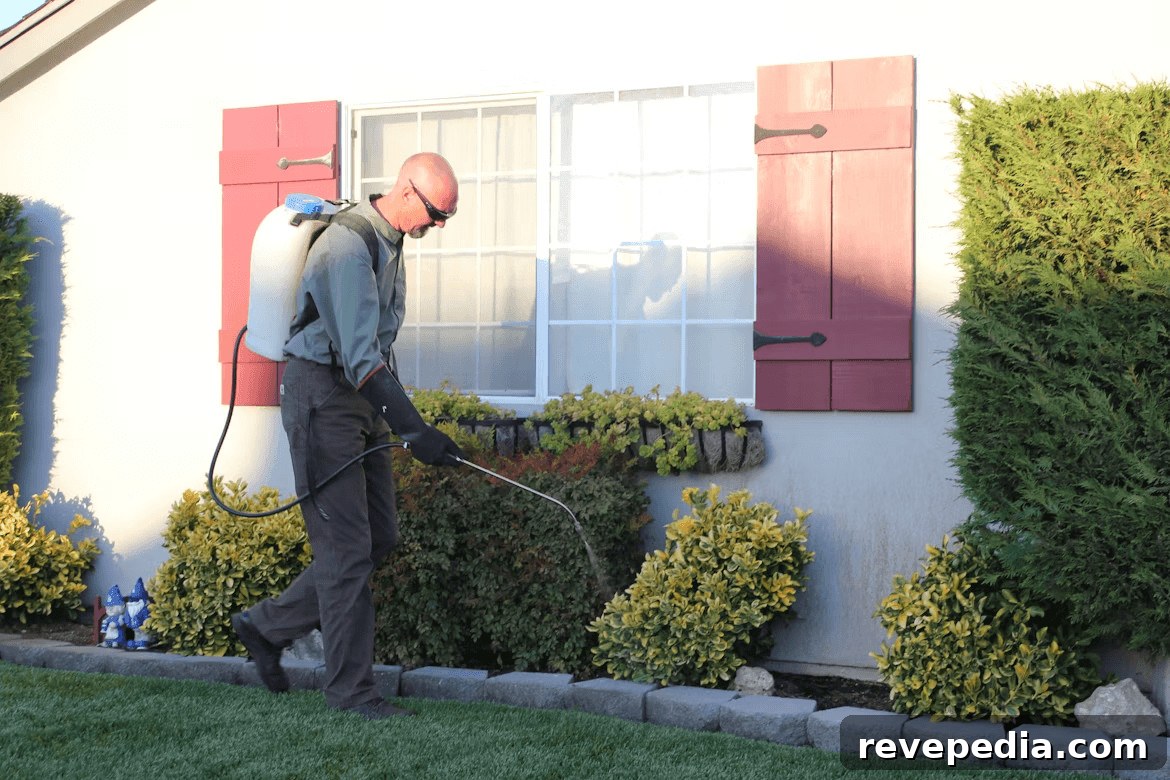
If you’re a homeowner who follows home improvement guides for pergolas, kitchen upgrades, and realistic advice about which projects to tackle yourself, pest control might not be top of mind. It should be. The same attention to detail you use when checking a deck’s load-bearing capacity or choosing the right sealant for a bathroom remodel applies directly to keeping insects and rodents out of the walls you just painted. Pests don’t respect renovation budgets, and a termite colony or persistent rodent infestation can undo months of careful DIY work faster than any construction mistake.
The pest control landscape has changed significantly in recent years, and those changes matter to anyone who owns a home and prefers to handle maintenance themselves. New products, smarter technology, and evolving business models mean pest management looks different than it did even five years ago. Understanding these shifts helps you decide when a store-bought spray is sufficient and when professional help is warranted — the same kind of judgment call you make when choosing between tiling your floor or hiring a contractor.
The Move Toward Eco-Friendly and Integrated Pest Management (IPM)
One of the biggest industry shifts is the move away from routine broad-spectrum pesticide spraying toward Integrated Pest Management (IPM). IPM prioritizes habitat modification, targeted treatments, and ongoing monitoring rather than repetitive calendar-based pesticide applications. Homeowners are increasingly concerned about what’s being applied around children, pets, and vegetable gardens, and providers have responded by developing lower-toxicity formulations that still deliver effective results.
This trend aligns with broader home improvement values where sustainable materials and methods are becoming standard practice. For homeowners in areas with specific local conditions — such as proximity to rivers, mixed housing ages, or unique microclimates — generalized treatments often fall short. Modern pest control providers now commonly assess a property first, identify entry points and conducive conditions, and then apply treatments strategically rather than simply spraying the perimeter and calling it done.
Smart Technology and Data-Driven Monitoring
Advances in technology are changing how pest issues are detected and managed, much like smart thermostats and leak sensors have changed home maintenance. Sensor-equipped monitoring traps can send alerts when pest activity is detected, allowing homeowners and technicians to respond before infestations spread. Some companies aggregate this data to map pest pressure across neighborhoods and predict seasonal surges, giving homeowners a warning before problems escalate.
This data-driven model has also changed service economics: recurring service agreements now make up the majority of residential pest control revenue because continuous monitoring helps prevent costly callbacks and late-stage infestations. For do-it-yourselfers, the takeaway is clear: pest control, like HVAC servicing or routine gutter maintenance, is often more effective when treated as an ongoing system rather than a reactive fix.
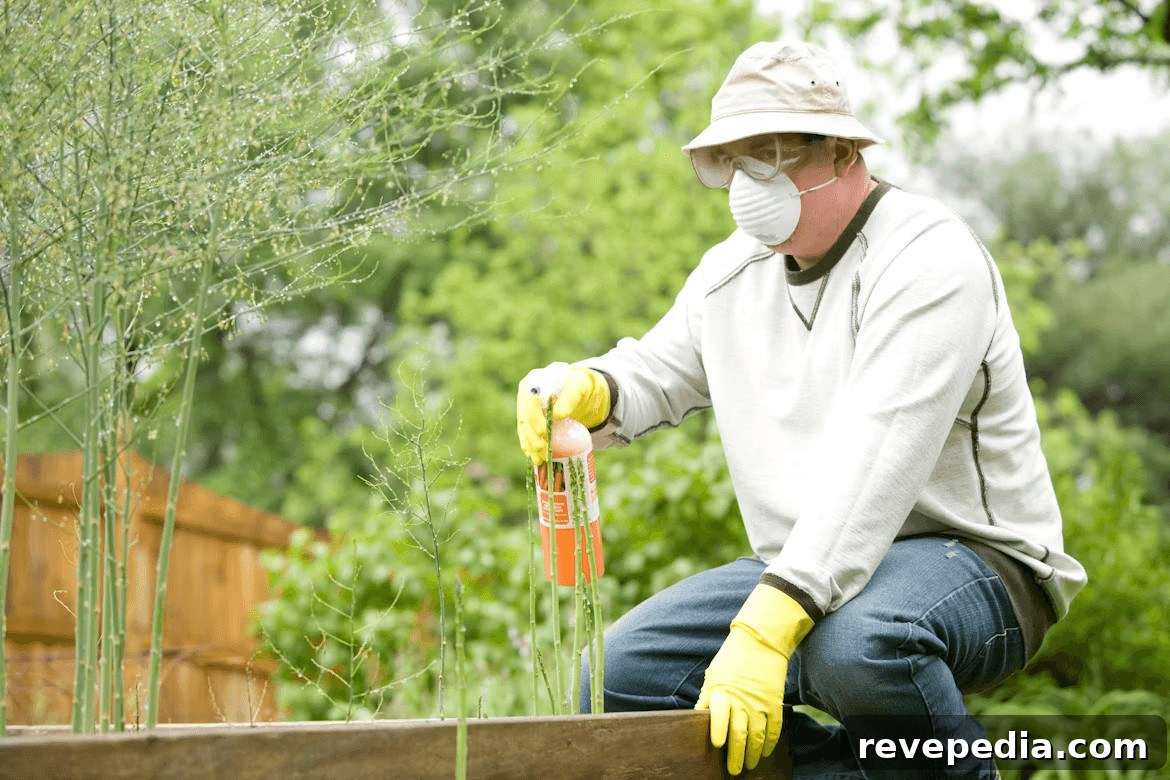
When DIY Is Appropriate — and When Professionals Are Necessary
DIY pest control has a legitimate and useful role. Simple preventative measures — sealing gaps around windows and doors, storing firewood away from foundations, addressing moisture in crawl spaces, and using basic ant baits or rodent traps for isolated sightings — are reasonable tasks for capable homeowners. These preventive steps overlap heavily with general home maintenance and significantly reduce the likelihood of needing professional intervention.
However, DIY approaches often fall short for larger problems: termites, established rodent colonies, and pest issues linked to electrical, plumbing, or structural systems typically require professional expertise. Termites alone cause billions of dollars in property damage annually, and visible signs usually indicate a colony has been active for years. Professional-grade termiticides, baiting systems, and rodent exclusion work require licensed applicators, specialized equipment, and knowledge of building codes and construction practices that go beyond common hardware store solutions.
Future-Proofing Your Home Against Emerging Pest Trends
The growth of the pest control industry reflects rising homeowner concern about pests and an increased willingness to invest in long-term prevention. More homeowners research providers and treatment options before hiring anyone, and there is growing demand for sustainable, IPM-based services as the default choice rather than a premium add-on. That shift pushes more companies to adopt lower-impact treatments across their service offerings.
For smart home maintenance planning, treat pest prevention as a standing line item rather than an emergency expense. Pair routine DIY upkeep — sealing entry points, managing moisture, maintaining landscaping to reduce pest harborage — with periodic professional inspections or monitoring plans. This combination catches small issues early and keeps repair costs manageable, protecting both your home and the value of your renovation efforts.
Staying informed about local pest pressures, seasonal patterns, and available treatment options empowers homeowners to make cost-effective decisions and protects the long-term condition of their homes. Whether you handle prevention tasks yourself or enlist a professional for monitoring and targeted treatments, integrating pest control into regular home maintenance is a practical step every homeowner should take.