
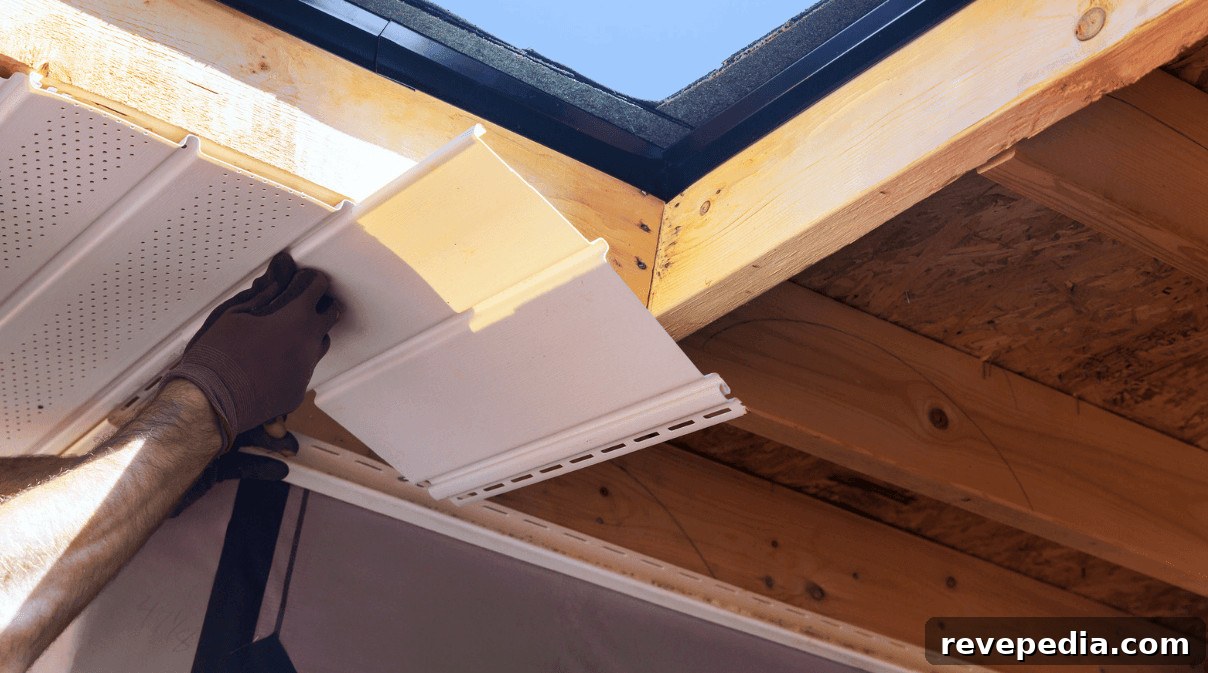
Most homeowners rarely think about the eavestroughs, soffit, and fascia that run along a roof’s edge, yet these components play a vital role in protecting a house. Together they direct water away from the foundation, shield the roof’s edges, and allow attic air to circulate. When one part begins to fail, the damage can quickly spread: a leaking eavestrough exposes the fascia to moisture, and blocked or damaged soffit can undermine attic ventilation.
Understanding the function of each element makes it easier to spot problems early and decide whether a single repair is sufficient or whether several aging roofline components should be replaced at once.
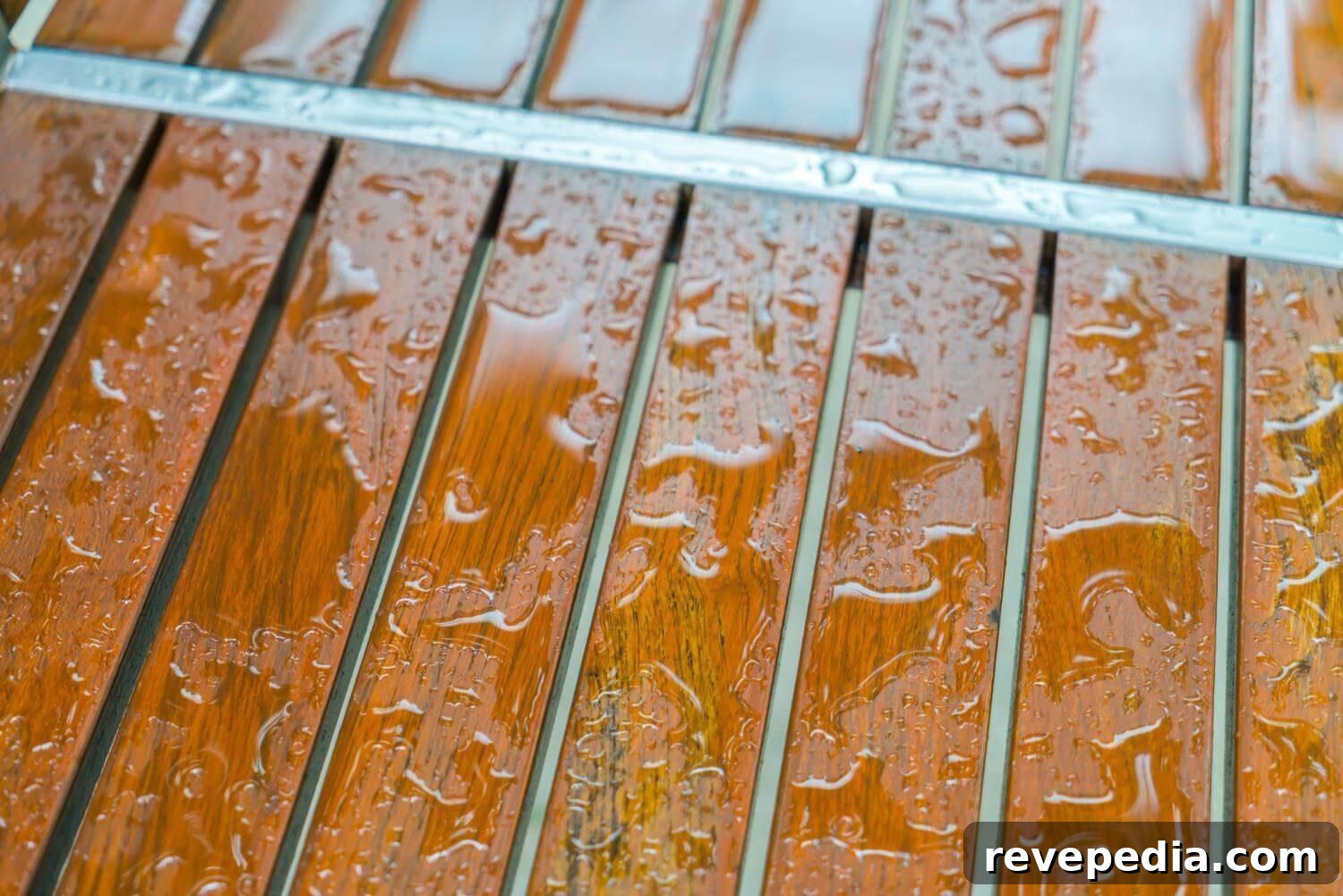
Image by jannoon028 on Magnific
What Eavestroughs Actually Do
Eavestroughs, commonly called gutters, collect rainwater and snowmelt from the roof and channel it away from the house through downspouts. Their primary purpose is to prevent water from pooling near the foundation and running down exterior walls. Local climate influences how much stress the gutter system faces: areas with heavy rain, deep snow, or frequent freeze-thaw cycles put more demand on materials and installation quality than warmer, drier regions.
In cold climates, rapid spring snowmelt and repeated freezing can push large volumes of water off the roof in a short period and cause additional strain on gutter connections. Proper installation matters: gutters must slope slightly toward downspouts, be securely fastened to the fascia, and discharge water in locations that will not drain back to the foundation. Seamless gutter systems reduce the number of joints, lowering long-term leakage risk and maintenance needs.
The Role of Fascia in the System
Fascia is the vertical board that runs along the lower edge of the roof and caps the rafter ends. It provides the mounting surface for eavestroughs and helps protect the roof edge from weather exposure. Prolonged exposure to moisture—whether from a leaking gutter or a roof-edge problem—can cause the fascia board to rot. Once the fascia deteriorates, it can no longer securely hold gutters in place, increasing the chance of detachment and further water-related damage.
Covering the fascia with aluminum cladding or other protective finishes helps shield the underlying wood from direct weather exposure. When fascia shows signs of rot or weathering, it is often efficient to address it at the same time as nearby soffit or gutter repairs so multiple roofline elements are renewed together and future work is minimized.
What Soffit Does That the Other Two Cannot
Soffit is the material that covers the underside of the roof overhang between the exterior wall and the fascia. When designed with vents or perforations, it permits outside air to enter the attic. This intake air, combined with ridge or gable vents, creates a ventilation path that helps control attic heat and moisture.
Blocked or damaged soffit undermines attic ventilation and contributes to moisture problems. In cold climates, warm indoor air escaping into a cold attic can condense and form ice dams at the eaves; in hot climates, inadequate ventilation can lead to excessive attic temperatures that shorten the lifespan of roofing materials and reduce energy efficiency. Keeping soffit vents clear and in good condition is essential for balanced attic airflow and overall roof performance.
Why Exterior Moisture Management Matters
Proper moisture management around the roofline and foundation is crucial for protecting a home’s structural integrity and indoor environment. Guidance from reputable housing authorities emphasizes preventing water from pooling near the foundation, maintaining functional gutters and downspouts, and repairing roofline components promptly. The same basic principle applies across regions: roof runoff must be guided away from the building, and exterior ventilation and protective elements must stay functional.
Regular inspection is the best defense. Loose gutters, compromised fascia, blocked soffit vents, and downspouts that discharge too close to the foundation are common, easily fixed issues when caught early. If left unattended, water will find its way into more vulnerable materials, increasing repair complexity and cost.
The Signs That the System Needs Attention
Visible signs that the roofline system needs attention include gutters pulling away from the fascia, sagging between hangers, or overflowing during rainfall. Stains or peeling paint on the wall beneath the roofline indicate water is escaping the gutter rather than being routed to the downspout. Interior signs such as staining on basement walls, especially near downspout locations, point to ineffective drainage.
For soffit, look for obvious damage, gaps where the soffit meets the wall, or pests entering the attic through openings. Poor attic ventilation, while harder to see, reveals itself through excessive heat in summer or ice dam formation in winter. Catching and repairing these issues early preserves roof materials and prevents secondary water damage inside walls and foundations.
Keep an Eye on the Whole Roofline
Eavestroughs, soffit, and fascia perform different but complementary functions, and problems often affect more than one component. Water overflowing from a damaged gutter can rot the fascia below it; decayed soffit can disrupt attic ventilation and expose protected parts of the roofline. That said, not every repair requires replacing all three elements. If one component is failing but the others remain in good condition, targeted repairs can be sufficient. When several parts are aging or damaged, coordinating replacements reduces the need to remove and reinstall materials later.
Inspect the roofline several times a year—especially after winter or heavy rains—to spot sagging gutters, loose sections, staining, rot, or blocked vents. Timely attention to these signs helps prevent small issues from turning into major moisture-related repairs, prolonging the life of the roof system and protecting the home’s overall value.