
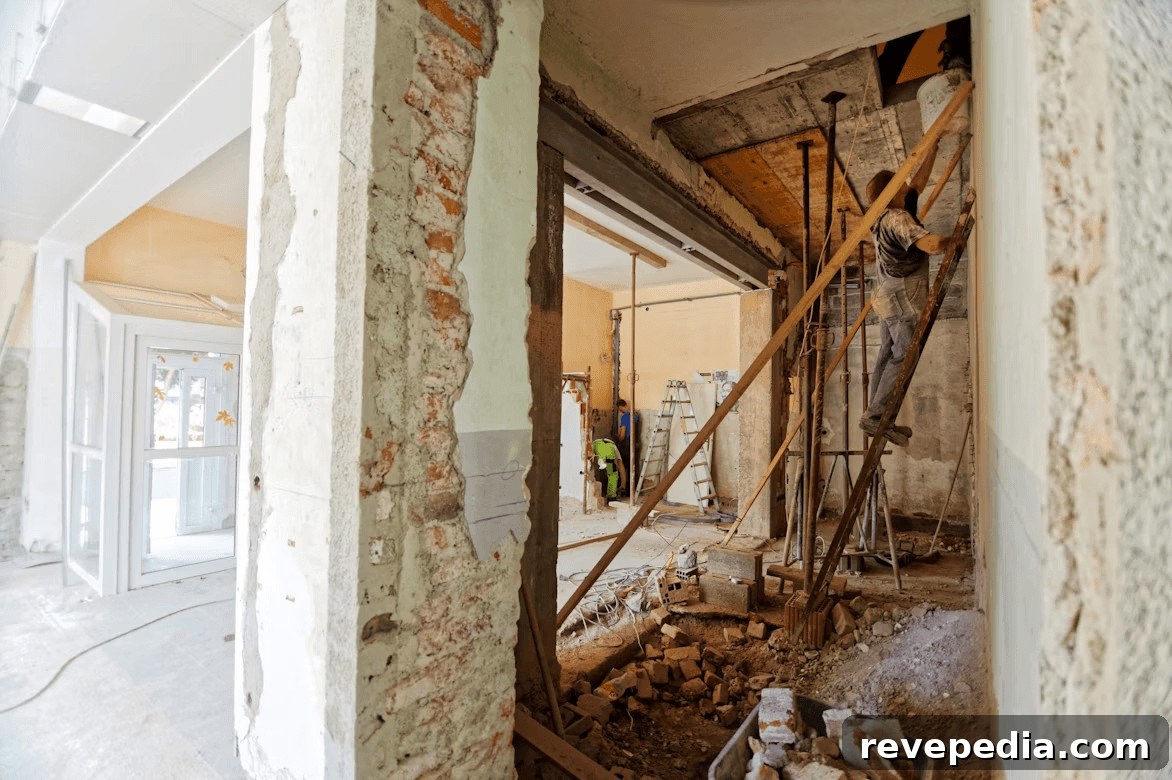
Some of the most costly home repairs don’t begin with a dramatic failure. They often start as small, easy-to-ignore signs: a faint stain on the ceiling, a breaker that trips twice in a week, a room that takes longer to cool, or a hairline crack by a window that seems slightly wider than last year.
Because the house still functions, it’s tempting to postpone action. Yet those small signals are frequently the first stage of problems that can grow into expensive repairs. Knowing where common issues hide helps homeowners spot trouble early, plan repairs with less stress, and avoid turning a routine maintenance task into a major project.
Hidden Water Damage and Plumbing Problems
A burst pipe is obvious, but a slow leak can be far subtler. Water can drip behind cabinets, under flooring, or inside walls for weeks before visible damage appears. Early clues often include a musty odor, peeling paint, a soft spot in the floor, or a sudden unexplained rise in your water bill.
By the time a stain becomes visible, the leak may have been active for some time. Make it a habit to inspect areas where leaks commonly start: beneath kitchen and bathroom sinks, around toilets, washing machines, dishwashers, and near water heaters. Watch for corrosion on fittings, damp cabinet bottoms, warped trim, or discoloration on nearby walls.
Drying the surface is rarely enough. If moisture reappears, find and repair the source. Otherwise water can continue to penetrate drywall, flooring, insulation, and framing, leading to mold, structural damage, and much more costly remediation than the original plumbing repair.
HVAC Problems Often Build Slowly
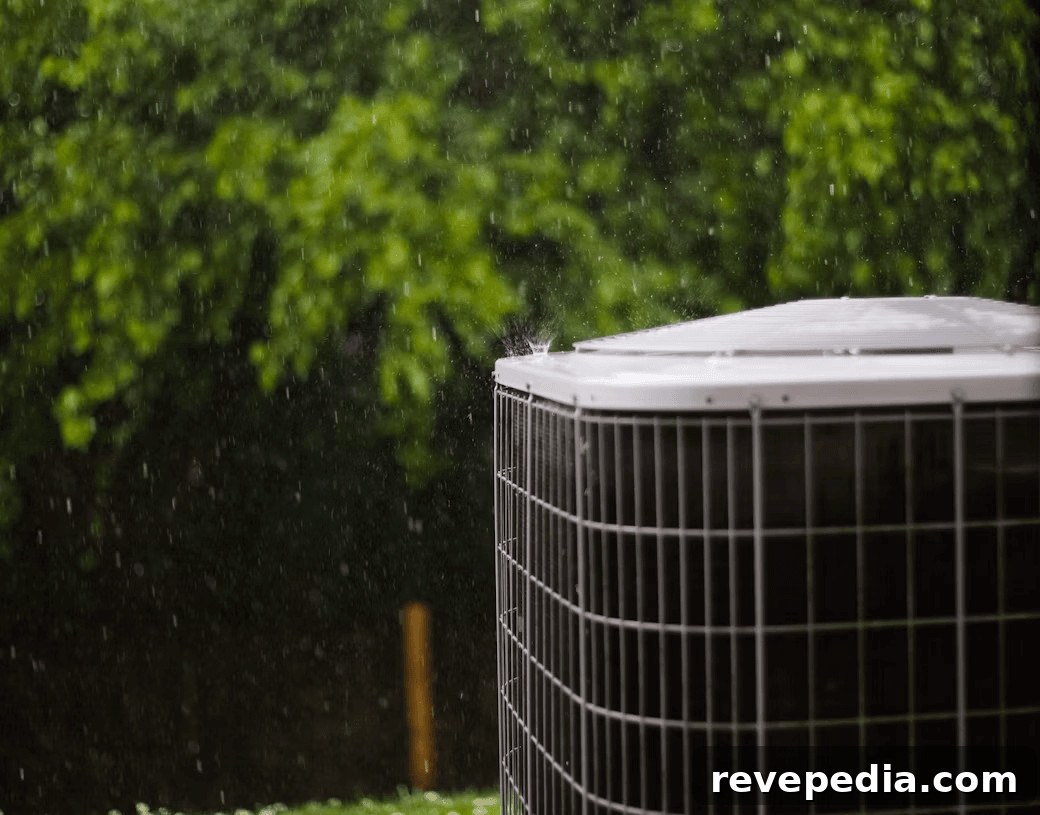
Heating and cooling systems usually decline gradually rather than failing instantly. You may notice longer run times, uneven temperatures—such as a single bedroom staying warmer or cooler than the rest of the house—or new noises like rattling, buzzing, or grinding. Rising energy use without changes to thermostat settings is another warning sign.
Regular maintenance reduces strain and extends equipment life. Clean or replace filters per manufacturer recommendations and schedule professional tune-ups when advised. A trained technician can diagnose restricted airflow, worn parts, drainage issues, or electrical faults before a complete breakdown. Catching performance shifts early lets you compare repair or replacement options calmly, instead of making a rushed, expensive choice in an emergency.
Roof Problems Can Stay Hidden Until Water Gets Inside
Roofs endure rain, wind, sun, snow, and falling debris, and much of that wear occurs where you can’t easily see from the ground. A missing shingle or damaged flashing may not seem urgent until water reaches the attic and spreads into insulation, ceilings, and walls.
After severe weather or at routine intervals, check for signs such as missing or damaged roofing materials, new ceiling stains, damp attic areas, damaged flashing, sagging roof sections, or water around vents and chimneys. Many warning signs are visible from the ground, through attic access, or by a professional inspection. Repairing small roof issues early is typically easier and less costly than fixing months of unseen water intrusion inside the home.
Foundation and Structural Changes Deserve Attention
Not every crack indicates a major structural failure—houses settle and materials expand and contract—but it’s important to notice changes. A crack that remains unchanged for years differs significantly from one that grows over months.
Other signs to monitor include doors that suddenly won’t close properly, windows that stick, sloping floors, or new gaps between walls and trim. When you first notice something unusual, photograph it with a date and a reference object for scale. That record helps you track change over time. If a crack or movement progresses or appears suddenly, get a qualified professional to inspect it rather than guessing at the cause.
Electrical Problems Should Not Be Put Off
Electrical issues can be dangerous. Flickering lights, warm outlets, burning odors, buzzing switches, or breakers that repeatedly trip all merit prompt attention. One tripped breaker might mean a temporary overload, but a breaker that keeps tripping signals a deeper problem. Don’t repeatedly reset it without identifying the cause.
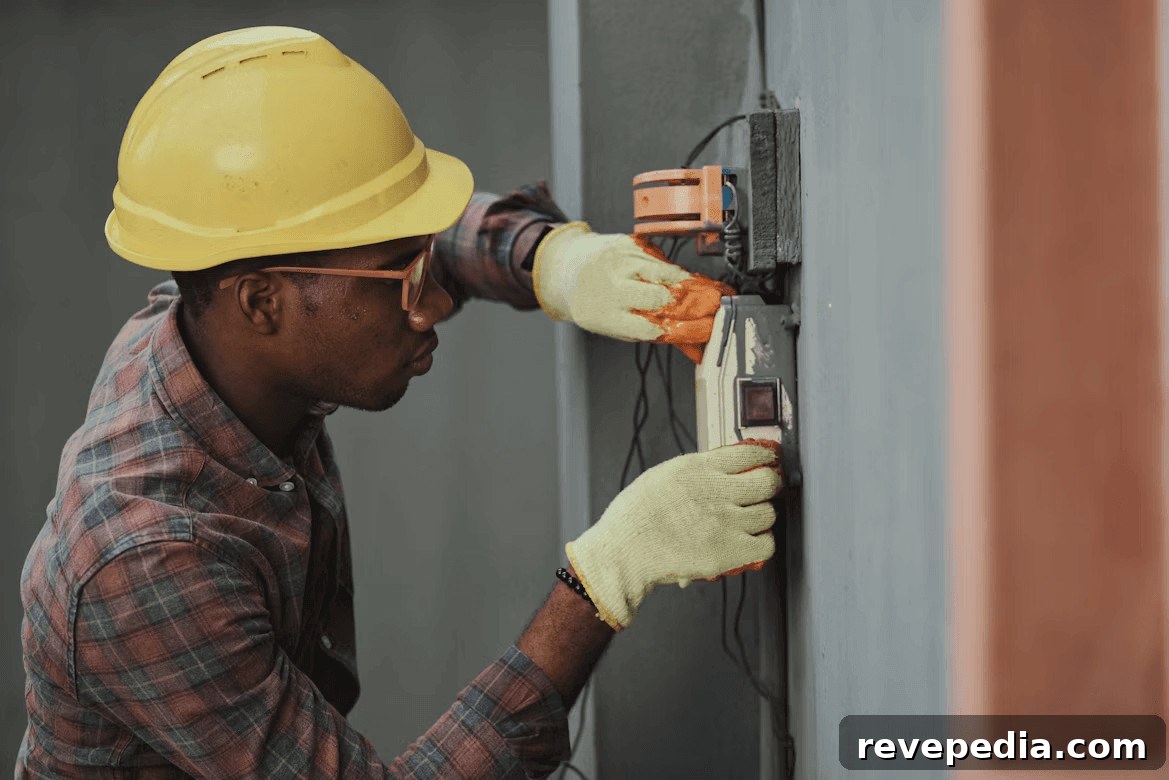
Outlets or switches that feel warm, or persistent electrical oddities, should be inspected by a licensed electrician. Temporary fixes or DIY electrical work intended to save money can create much larger hazards and expenses later. Safety and code compliance are key when addressing persistent electrical faults.
Appliances Rarely Fail at a Convenient Time
Appliances commonly fail when they’re most disruptive: the refrigerator stops cooling after a big grocery run, a washer dies mid-cycle, or a water heater breaks just before everyone needs a shower. Keep simple records—model numbers, purchase dates, warranty details, and approximate age of major appliances—so you can make informed decisions when one fails.
If an aging appliance requires frequent repairs, compare repair costs with replacement costs before scheduling another service call. Having rough replacement cost estimates and warranty information on hand speeds decision-making when time and convenience matter.
Watch for Small Problems Around Windows and Doors
Windows and exterior doors can continue to function even when seals, flashing, or surrounding materials begin to fail. Look for water stains, peeling paint, drafts, swollen trim, or new condensation. Minor gaps may admit rain or outdoor air into wall assemblies; caulk and weatherstripping fix some issues, but repeated water intrusion after each storm often indicates failing flashing or other exterior elements. Address the underlying cause rather than repeatedly masking the symptom.
Drainage Problems Can Become Foundation Problems
Water should flow away from the house. Overflowing gutters, downspouts that dump beside the foundation, or soil that slopes toward the structure allow moisture to collect where it will cause long-term issues, from damp basements and crawlspace moisture to erosion.
After heavy rain, walk around the exterior and observe where water goes. Are gutters overflowing? Do downspouts lead water away from the foundation? Does water pool against the foundation or settle in low spots that remain wet long after the storm? Fixing exterior drainage is typically far less costly than repairing interior water damage or foundation problems later.
The Garage Door Is Easy to Forget Until It Stops Moving
A garage door is one of the largest moving parts of a house, yet it’s often neglected until it fails. Pay attention to grinding, squeaking, popping sounds, jerky movement, uneven lifting, or slower operation. While some maintenance is straightforward, springs and other tensioned components are dangerous to service. If issues involve springs, cables, or major mechanical parts, hire a trained professional for safe repairs.
Create a Home Repair Fund Before You Need One
Regular maintenance reduces surprises but cannot eliminate them. A dedicated home repair fund makes unexpected repairs easier to manage. You don’t need to predict whether the next expense will be plumbing, HVAC, an appliance, or roofing—the goal is simply to have accessible funds for essential repairs. Keep this fund separate from routine monthly money and review its balance after any large withdrawal.
Understand your homeowners insurance coverage in advance. Insurance may cover sudden or accidental losses, but normal wear, maintenance issues, and gradual deterioration are often handled differently depending on the policy, so read your coverage before you need to file a claim.
Know Your Options Before an Emergency
If an urgent repair costs more than your available cash, resist choosing financing based solely on speed. Compare interest rates, fees, repayment schedules, monthly payments, and the total amount repaid. Other options—such as contractor payment plans, insurance claims, or emergency savings—may be available depending on the repair and household finances. Researching possible financing choices in advance helps you evaluate them calmly during a real emergency, instead of making a rushed decision while water is leaking through the ceiling.
Keep a Simple Home Maintenance Record
You don’t need an elaborate system to track maintenance. A folder, notebook, or digital document is sufficient. Keep records of major appliance purchase dates, HVAC service, plumbing repairs, roof work, electrical upgrades, warranty information, contractor contacts, photos of cracks or stains, and insurance details. These records become more valuable as the house ages: they help track service intervals, identify recurring problems, and give contractors useful context for past work.
Pay Attention Before Something Stops Working
Homes give warning signs: new noises, small stains, slower drains, warmer rooms, or outlets that behave differently may seem minor alone, but patterns matter. When issues recur, worsen, or affect water, electricity, structure, or safety, investigate sooner rather than later. A little attention now can buy what homeowners rarely have after a major repair occurs: time—to compare contractors, understand the problem, check your budget, and decide on the best repair strategy before a small warning becomes an expensive emergency.