
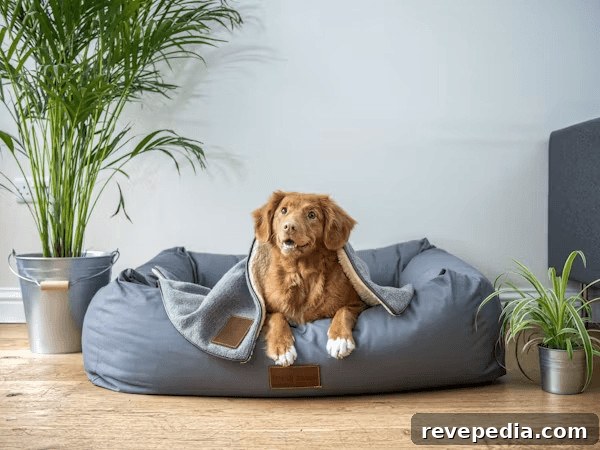
As pets age, daily activities that once seemed effortless can become harder. Stairs, slippery floors, high furniture, and food and water bowls placed low to the ground may create unnecessary obstacles. Thoughtful, practical home improvements can make your living space safer, more comfortable, and easier for an aging dog or cat to move through, helping them stay independent and engaged longer.
Improve Flooring for Better Stability
Senior pets often lose muscle strength and joint flexibility, making smooth surfaces such as hardwood, tile, and laminate more difficult to navigate. These floors can become hazardous when paws slip or legs splay, increasing the risk of falls and injury.
Adding non-slip runners, area rugs, or carpet tiles along commonly used routes provides extra traction where your pet needs it most. Focus on hallways, the path between the bed and feeding area, and the space around food and water bowls. Choose rugs with secure, non-skid backing or use rug grippers to prevent slipping and bunching.
If you are planning a full flooring update, opt for materials with a natural texture or finish that offer better grip. Keep floors clean, free of spills and pet hair, and dry to minimize sliding. Even simple interventions—like placing mats at entrances and under food stations—can reduce falls and give an older pet more confidence when walking across the home.
Make Stairs and Entryways Easier to Navigate
Stairs can present a major challenge for pets with arthritis, hip dysplasia, or limited mobility. If your pet struggles, consider installing a secure ramp for frequently used entry points or creating an alternative, single-level living area that contains their bed, bowls, and favorite toys.
Entryways benefit from low-profile mats that provide traction and clean paws when pets come inside. Improving lighting near doors and steps helps both pets and owners see changes in elevation. Remove shoes, bags, and other clutter from walkways so your pet has a clear, wide path to move safely.
For pets with serious mobility limitations, limiting access to upper floors or setting up a comfortable space on the main level often improves quality of life. Thoughtful planning can reduce the need for frequent stair trips while keeping your pet included in daily family activities.
Create a Comfortable Resting Area
Older animals generally sleep and rest more, so their sleeping area should be supportive and easy to access. Choose an orthopedic or memory-foam bed that provides joint relief and place it in a quiet, familiar part of the home where your pet can relax without being isolated.
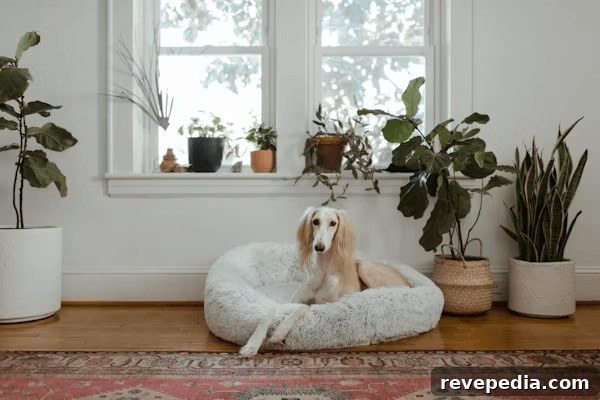
Position the bed away from cold drafts, direct heat sources, and high-traffic areas. Make sure the bed is reachable without climbing over furniture or walking on slippery floors. If your pet’s needs evolve, prepare adaptable resting spaces for different stages of aging so transitions are less stressful for both pet and family.
Adjust Food and Water Stations
Bending to reach bowls can be uncomfortable for pets with neck, back, or joint problems. Raising food and water dishes to a comfortable height—using elevated feeders designed for pets—reduces strain on the neck and makes mealtime more pleasant.
Place bowls on stable, non-slip surfaces. A waterproof mat under feeding stations prevents spilled water from creating slippery patches on hardwood or tile, and it protects the floor from moisture damage. Locate feeding areas on a single level of the home and along straightforward routes so your pet does not need to navigate stairs or narrow corridors to eat and drink.
Improve Lighting Around the Home
Aging pets can experience declining vision and increased sensitivity to glare. Improving ambient and task lighting in hallways, stairwells, and key exit points helps them judge distances and spot obstacles more easily.
Consider brighter bulbs in critical areas and add plug-in night lights or motion-activated fixtures near beds, feeding areas, and doors. These small additions increase visibility without major electrical work and help your pet move with greater confidence after dark.
Keep Outdoor Areas Safe
Outdoor time remains beneficial for senior pets, but yards and paths can hide hazards. Check walkways for uneven paving, exposed roots, holes, and loose stones that could cause tripping. Repair or clearly mark problem spots to reduce the chance of falls.
A secure fence is important for pets that move more slowly or may become disoriented. Provide shade, fresh water, and a level resting spot outdoors. If your pet uses a porch or deck, ensure steps have stable, non-slip surfaces and railings are secure. Regular maintenance prevents small issues from becoming serious safety concerns.
Plan Improvements Around Your Pet’s Needs
You don’t need a major renovation to make life easier for an aging pet. Start by observing how your pet moves through your home: note where they hesitate, slide, avoid, or appear reluctant to go. Use those observations to guide priorities—better traction on floors, simplified access to essentials, a supportive bed in a quiet area, and improved lighting are often the most effective changes.
As your pet’s mobility and comfort needs change, adjust the home accordingly. A few targeted improvements can significantly reduce daily stress, prevent injuries, and help your senior dog or cat remain comfortable and engaged in their familiar surroundings for as long as possible.