
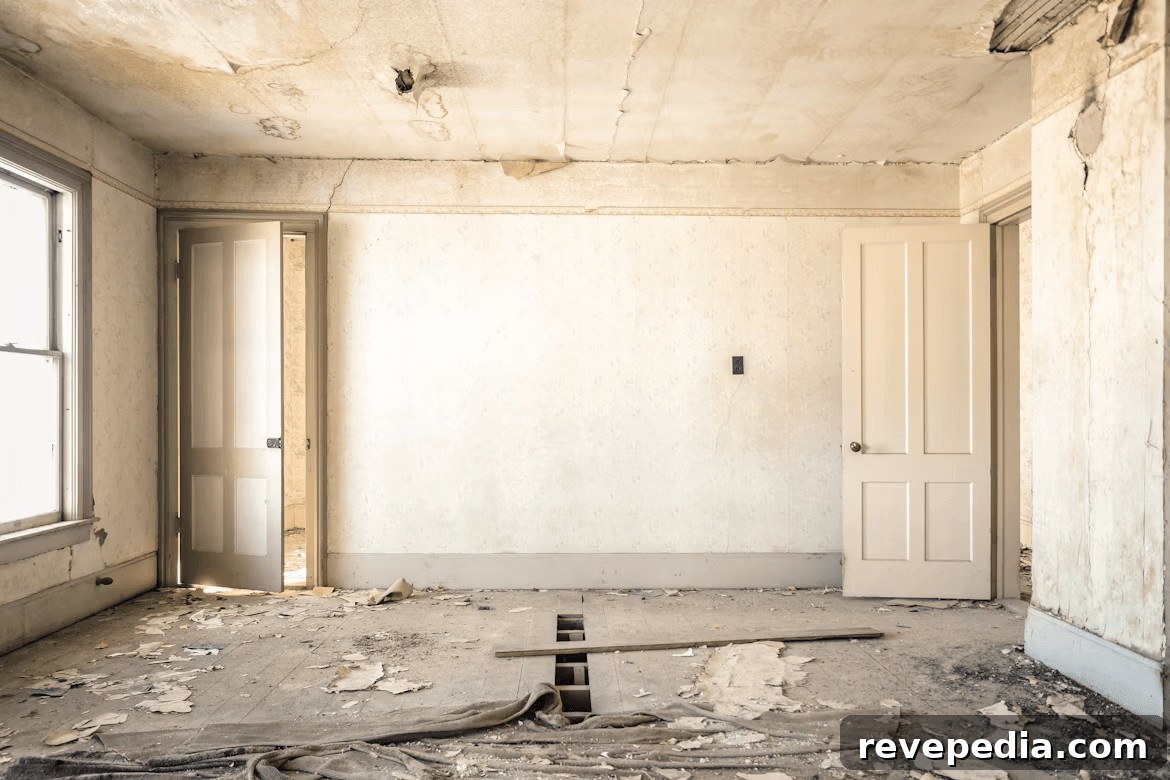
Major residential remodels often disrupt daily routines and place your household belongings directly in the path of construction dust and debris. Navigating cluttered hallways and moving fragile furniture room to room creates friction and stress while workers complete structural upgrades.
Securing temporary off-site storage provides a safe, reliable place for your possessions during every phase of construction. Clearing active work areas protects your investments and enables tradespeople to work more quickly and efficiently, reducing the risk of accidental damage.
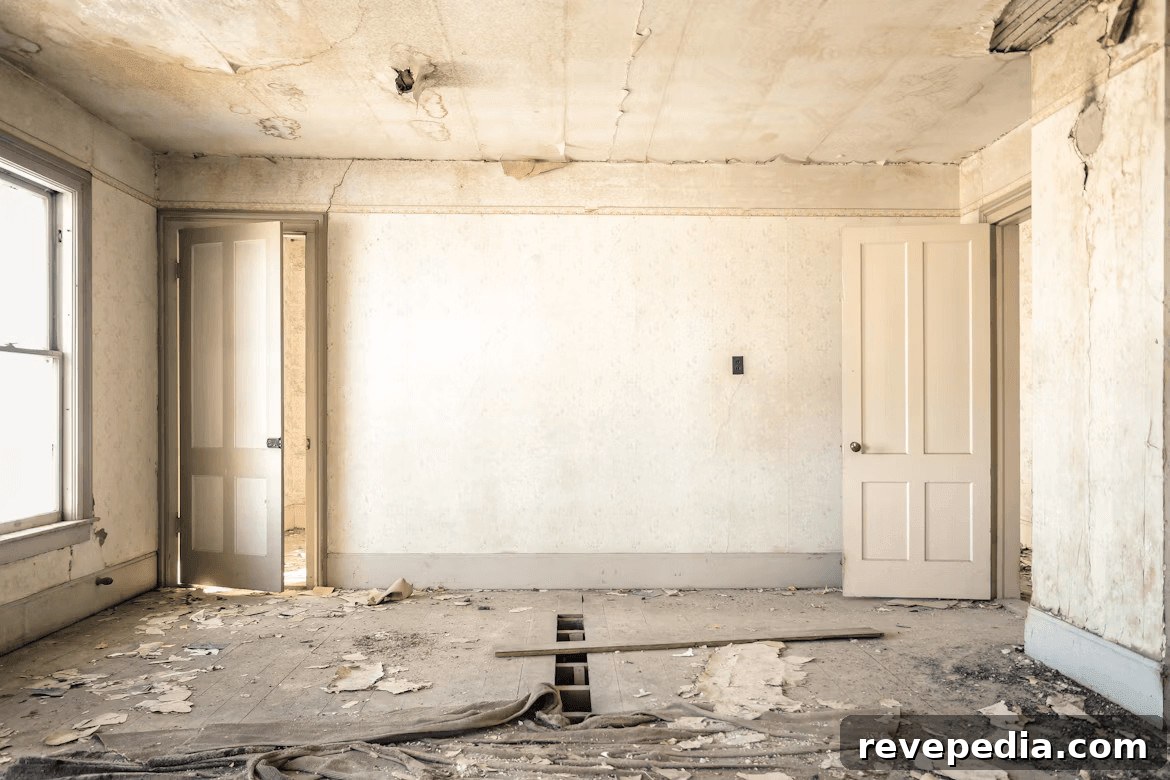
Why Clear Space Before Renovation Begins?
Starting a structural remodel without clearing living spaces almost always leads to crowded corridors and damaged personal property. When contractors move heavy equipment, drywall sheets, and specialized tools through cramped rooms, uncovered items frequently suffer scrapes, dents, or worse.
Planning ahead and moving furniture to reliable short-term storage keeps possessions out of harm’s way during dusty tear-downs and major installations. Clearing whole floors before demolition crews arrive eliminates the daily worry of scratches to dining tables, sofas, or heirloom pieces.
Empty rooms also give your design team and contractors an unobstructed view of the structural layout. Open space makes it easier to measure walls, inspect joists and subfloors, and route new electrical and plumbing systems without repeatedly shifting heavy furniture.
How Do You Protect Furnishings From Construction Dust?
Fine gypsum and sawdust particles penetrate ordinary plastic sheets and settle deep into upholstery. Leaving delicate sofas, upholstered chairs, or mattresses inside active work zones often leads to permanent fabric staining and lingering odors.
Preservation guidelines encourage evaluating whether moving items off-site offers greater protection and long-term cost-effectiveness than trying to shield them in place. Transferring valuable pieces to a clean, climate-stable environment removes the constant chore of replacing dusty tarps and reduces the chance of irreversible damage.
How Can You Prevent Dust From Spreading Through the Home?
Proper containment is essential to protect indoor air quality. Sealing work-area ventilation systems, covering vents and doorways with taped plastic sheeting, and creating pressure barriers help stop hazardous dust from traveling through ducts and settling in occupied rooms.
Establish clear boundaries between active construction zones and living spaces. Close doors, seal openings, and designate specific access routes to limit the amount of debris carried through the house. These steps keep fine dust from settling on floors, fabrics, and surfaces outside the renovation area and reduce cleanup time.
Where to Find Secure Residential Storage Options
Choosing the right storage facility means considering climate control, access hours, and perimeter security. Modern facilities often provide individual keypad access, monitored surveillance, and on-site management, giving you peace of mind while your home is under construction.
Drive-up access units simplify unloading heavy appliances, furniture, and boxes for your family or professional movers. Short-term leases and flexible rental terms accommodate project delays and changing timelines without locking you into long contracts.
Estimate the unit size you need by assessing household inventory and packing strategy before renting. Practical preparation steps include:
- Categorize items by room or priority so essential daily items remain accessible near the unit entrance.
- Pack smaller items in uniform, heavy-duty plastic bins to allow safe vertical stacking and protect contents from dust and pests.
- Leave a central aisle within the unit so you can reach items stored at the back without disturbing the entire layout.
How Moving Belongings Off-Site Speeds Construction
Contractors report that working in completely vacant rooms significantly reduces labor hours across complex projects. When teams don’t have to shift heavy items, cover furnishings with tarps, or navigate around obstacles, they can perform tasks faster and more precisely.
Unrestricted access to walls, ceilings, and floors enables carpentry, plumbing, and electrical crews to work simultaneously. This coordinated workflow keeps projects on schedule and minimizes costly labor overruns and delays.
During demolition, crews move much faster when they can swing hammers and remove old drywall without worrying about nearby heirlooms. Clearing rooms beforehand transforms your house into an efficient job site where subcontractors can complete phases more quickly and safely.
Managing Household Functionality During Multi-Stage Remodels
A staged renovation requires thoughtful coordination to preserve basic living conditions. Moving furniture out of active work zones in phases prevents unaffected areas from becoming chaotic holding bays and maintains livable spaces for your family.
Define operational zones within your home so daily routines continue with minimal disruption. Keep a temporary kitchen or an interim home office free from excess storage boxes and clutter to support normal activities while other areas are under construction.
Rotate items between your residence and off-site storage as construction progresses from kitchens to bedrooms and living rooms. Staggering moves to match your builder’s timeline keeps living spaces tidy and reduces repeated handling of the same items.
Planning Storage for Delicate Heirloom Items
Antique wood furniture, oil paintings, and delicate textiles need stable environmental conditions to avoid warping, finish cracking, or mold growth. High humidity and wide temperature swings in unconditioned spaces can permanently damage these materials.
Choose climate-controlled units to maintain consistent temperature and humidity year-round, protecting sensitive organic materials from seasonal degradation. Proper packing materials — breathable cotton covers, acid-free paper, bubble wrap, and protective corners — shield finishes and surfaces during transport and storage.
Avoid placing items directly on concrete floors; use wooden pallets or shelving to improve air circulation and reduce moisture transfer. Label and document each heirloom before moving it, and photograph items as an added record for insurance purposes.
Keeping Your Temporary Storage Organized
Create a detailed inventory before packing so you can quickly retrieve specific items when needed. Number boxes, log their contents in a digital spreadsheet or a simple checklist, and note the box location within the unit for efficient access.
Place heavy furniture and large appliances against the back and side walls to form a sturdy base. Stack lighter boxes on top to maximize vertical space while preventing fragile goods from being crushed. Keep frequently used items — key documents, seasonal clothing, and basic kitchenware — near the unit entrance for fast access.
Clearing out personal belongings before major home improvements protects your investments from dust and physical harm. Using off-site storage solutions gives your construction crew the room they need to work safely and efficiently, and it reduces stress for homeowners navigating a renovation.
Thoughtful planning, careful packing, and secure storage management help ensure your renovation proceeds smoothly. By keeping valuables and everyday essentials organized and protected off-site, you create a calmer, more controlled environment for transforming your living space with confidence.