
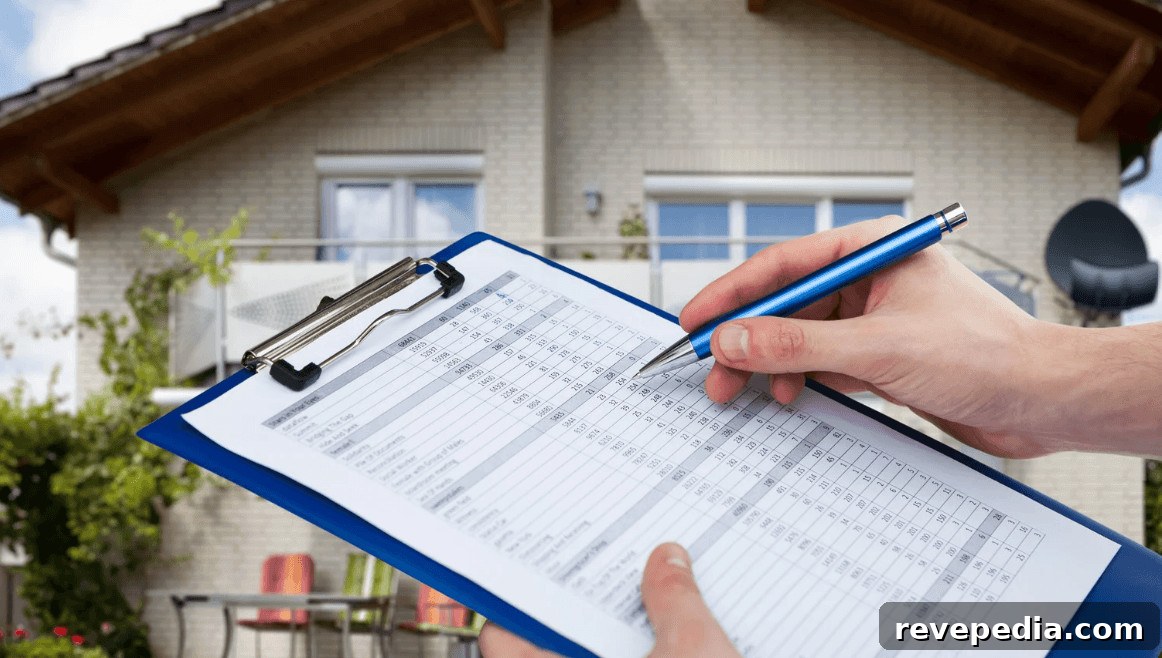
You just received a detailed property condition report and your eyes are glazing over. That’s exactly when costly problems can be missed. It’s easy to skim a dense report and overlook items that could matter once you take ownership—from a failing roof and aging HVAC equipment to structural problems that require a specialist.
The good news: you don’t need to treat every finding as equally urgent. Some issues demand immediate attention, while others belong on a maintenance or renovation schedule for the future.
This guide walks through a typical condition report section by section, highlights which findings deserve closer scrutiny and which are routine, and gives a practical checklist you can reuse whenever a PDF lands in your inbox.
What Exactly Is This Document Telling You?
A property condition report clarifies a property’s physical state and identifies repairs or maintenance that may be needed. The report format varies by property and transaction: homebuyers typically receive a home inspection and any specialist reports, while commercial buyers often get a formal property condition assessment covering roofing, structure, mechanical systems, electrical, plumbing, life-safety systems, and the site itself.
Commercial assessments commonly use ASTM E2018 as a framework. An inspector or consultant walks the property, takes photos, interviews people familiar with the building when appropriate, and reviews maintenance records and related documents. The result is a list of findings that helps a buyer understand the current condition and anticipate future costs.
Here’s what buyers sometimes miss: a condition report is not a simple pass-or-fail test. A property can list many findings and still be a sensible purchase if those repairs are understood and budgeted. Conversely, a property with only a few flagged items might hide a single major issue—roof, foundation, or mechanical—that dramatically changes the total cost of ownership.
The key question is not how many problems appear, but what they are, how urgent they are, and how much they might cost to fix.
Which Findings Actually Matter?
Condition reports typically distinguish between items needing prompt attention and those appropriate for routine maintenance or longer-term planning. Commercial reports often identify immediate and short-term needs and estimate replacement costs; consultants can use different terms, but the principles are the same.
Many cosmetic and routine items can be handled later: missing caulk, a worn finish, minor exterior wear—these belong on a maintenance list rather than triggering immediate alarm.
By contrast, roof failure, active water intrusion, significant structural issues, unsafe electrical conditions, or major mechanical equipment near the end of its service life require substantially more attention.
For example, a report may flag aging HVAC equipment as a major future expense. The replacement estimate may look intimidating, but if the system is still operating, regularly serviced, and likely has remaining useful life, it may not be a closing-day emergency. It is a foreseeable expense you should understand and plan for.
Rather than reacting to the replacement estimate alone, evaluate the finding alongside the equipment’s condition, maintenance history, estimated remaining useful life, and replacement cost. The same approach applies to other major systems.
Digging Into the Big Three Systems
Not all systems carry the same costs or risks. Three areas deserve particular attention: the roof, the structure, and the mechanical systems. Problems in these areas can quickly become significant projects after ownership transfers.
The Roof
Check the roof’s age, material, condition, prior repairs, and signs of active or past leaks. On a house this means shingles, flashing, gutters, penetrations, and the roof deck; larger buildings may have single-ply, built-up, metal, or other commercial roofing systems.
On large buildings, replacement can be expensive because of the surface area involved. Multiple roofing layers can complicate replacement if older material must be removed before installing a new system.
Pay attention to water intrusion, drainage problems, or ponding. Repeated standing water shortens roofing materials’ life and can affect the underlying structure.
Don’t read an estimated remaining useful life in isolation—consider maintenance history, installation quality, local climate, and current condition as well.
The Structure
Structural findings require greater scrutiny than cosmetic cracks or worn finishes. Foundation movement, significant cracking, spalling concrete, damaged structural components, or corrosion may warrant further investigation.
Concrete deterioration—especially in structures exposed to water and deicing salts—can be costly. When you see a potentially significant structural issue, don’t rely on a general condition report alone. A structural engineer or other qualified professional should perform a targeted inspection to determine whether the repair is contained or extensive.
The cost of an additional inspection is usually small compared with discovering a major structural problem after purchase.
Mechanical Systems
Heating and cooling equipment, boilers, chillers, water heaters, electrical gear, and other major systems can represent a large portion of future repair costs.
A report should identify the age and apparent condition of major equipment and sometimes estimate remaining useful life. What it may not show completely is maintenance history.
Age alone won’t always predict failure. A well-maintained older system can remain serviceable, while a newer but neglected system may already have problems. If maintenance records are missing, factor uncertainty into your plans. Before buying, request service records and get specialist estimates for major equipment identified as questionable or near end of life.
Don’t Overlook Environmental and Regulatory Concerns
Visible physical systems get attention, but environmental and regulatory issues can be equally important.
A property condition assessment may note obvious environmental concerns, but it’s not a substitute for a dedicated environmental investigation. For properties with histories or uses that raise questions, a Phase I Environmental Site Assessment or similar study may be appropriate.
Regulatory and zoning considerations matter too. If documents raise doubts about whether an existing use, addition, or improvement complies with current rules, investigate further. These issues can affect how you plan to use or renovate the property and may impose additional costs or restrictions.
Environmental and regulatory issues aren’t always obvious during a walkthrough, but they can significantly influence future costs and permitted uses.
Turn the Report Into a Repair Plan
A long defect list is easier to manage when you stop treating it as one giant repair bill. Instead, sort findings into three practical categories:
- Needs attention now: Safety hazards, active leaks, serious structural problems, electrical dangers, or issues that could cause more damage if ignored.
- Plan for the next few years: Aging HVAC, a roof approaching end of life, exterior repairs, or significant projects that don’t require immediate replacement.
- Long-term maintenance and improvements: Cosmetic repairs, finishes, landscaping, future upgrades, and systems that are functional but will eventually need work.
After sorting, obtain real estimates for the largest items rather than relying only on preliminary figures in the report. Repair costs vary by location, materials, labor, accessibility, and the exact extent of the problem.
Also separate DIY-appropriate tasks from those that require qualified contractors. Painting, minor caulking, hardware replacement, and basic maintenance may be weekend projects. Structural work, major roofing, electrical repairs, and complex mechanical systems should be left to professionals.
The result is a practical repair and maintenance plan that clarifies what ownership will look like in the first year and beyond, rather than a single alarming total at the bottom of a report.
When a Finding Deserves a Second Look
One major finding doesn’t automatically mean you should walk away from a property. It does mean you need enough reliable information to make an informed decision.
If the report flags a significant concern, ask three questions:
- How urgent is it?
- What is the likely scope of repair?
- Do I need a specialist for further investigation?
A general inspector might note evidence of foundation movement without identifying the underlying cause or necessary repairs. That’s when a structural engineer can provide specific guidance. The same applies to roofing, electrical systems, plumbing, drainage, and HVAC equipment. When a finding could materially change your repair budget, get a specialist’s opinion or contractor estimate before you commit.
Repair findings can become part of buyer-seller negotiations. Rather than applying a universal credit formula, base discussions on the actual condition, professional estimates, urgency, and purchase terms.
How Condition Assessments Change With Commercial Property
The process is more formal for larger or commercial properties. Buyers must account for large mechanical equipment, commercial roofing, parking structures, life-safety systems, elevators, site improvements, and significant future capital expenditures.
Depending on the lender and transaction, an independent commercial property condition assessment may be required during underwriting. Different consultants may reach different conclusions because they use different assumptions about remaining useful life, repair priorities, or replacement costs. Lenders may also apply their own reserve or underwriting standards.
If multiple reports exist, compare them before finalizing your repair budget or purchase decision. If one consultant treats an item as routine while another flags it as significant, that discrepancy is a reason to investigate further rather than rely on the more reassuring opinion.
Your 10-Minute Reading Checklist
You don’t need to absorb every technical detail on your first pass. Instead, focus on finding issues that warrant deeper attention. Use this checklist when you first open the report:
- Start with the summary and cost tables. Identify findings that require immediate or near-term attention.
- Check the roof. Note age, condition, prior repairs, leaks, drainage issues, and estimated remaining life.
- Review the structural section. Watch for significant cracks, movement, settlement, corrosion, or deteriorating concrete.
- Scan the mechanical systems. Identify major equipment that is approaching or has exceeded expected service life.
- Look for water problems. Active leaks, poor drainage, repeated moisture intrusion, and related damage deserve attention.
- Read environmental and regulatory notes. Investigate anything that could require a specialist study or affect permitted uses.
- Separate immediate repairs from future projects. Don’t treat every finding as needing to be fixed on moving day.
- Ask for maintenance records. They give valuable context for roofs, HVAC systems, boilers, and other major equipment.
- Get specialist opinions and estimates for big items. A detailed inspection can clarify costly findings.
- Turn the remaining findings into a maintenance plan. Decide what needs professional attention, what can wait, and which smaller projects you can handle yourself.
The first time you work through a condition report, allow enough time to understand it. Once you know where key information typically appears, reviewing reports becomes faster and more efficient.
You are not reading a novel; you are reading a roadmap for the property’s roof, structure, mechanical systems, maintenance needs, and future projects. Individual findings matter, but what matters most is understanding which items require action and which belong in a long-term plan.
A condition report is not a verdict on the property—it’s a starting point. Read it that way, investigate the major findings, and convert the rest into a realistic repair plan. You’ll have a much clearer idea of what you’re taking on before you get the keys.