

When most homeowners think about winter storm preparation, images of stocking up on batteries, checking flashlights, and finding the snow shovel quickly come to mind. Those basics are important, but modern preparedness for winter storms now extends beyond the items in a single emergency kit. Connected homes, remote work, and reliance on technology mean effective planning must include considerations for power outages, remote monitoring, digital security, and clear communication strategies.
Start With Your Home’s Weakest Points
Before the season’s first major storm, walk the perimeter of your property and look for weak spots that could worsen under snow, ice, or high winds. Inspect gutters for loose sections, trim overhanging branches that could break under snow load, and check the roof for damaged or missing shingles. Seal visible cracks around doors and windows to reduce drafts and prevent water intrusion. Small issues left unaddressed can quickly turn into costly repairs when exposed to prolonged winter conditions.
Proactive maintenance—such as anchoring loose gutters, replacing worn flashing, and repairing small roof leaks—reduces the risk of emergency repairs and helps your home perform more efficiently during cold spells.
Don’t Overlook Backup Power
Power outages are a frequent outcome of severe winter weather, and planning for them is essential. If a whole-home generator isn’t feasible, keep a range of portable power options ready: fully charged power banks for phones and small devices, solar chargers for extended outages, and a battery-powered or crank radio for weather updates.
Consider a layered approach to backup power: combine portable batteries with insulated coolers for food preservation, and prioritize which circuits or devices you’ll maintain during an outage. Identifying critical needs in advance—lights, medical devices, and communications—helps you allocate limited power resources effectively.
Create a Winter Communication Plan
Severe weather can interrupt travel and overload communication networks. Establish a clear family plan so everyone knows how to reach one another if normal routines are disrupted. Keep a printed list of important phone numbers and addresses in a known location, in addition to digital contact lists, so you’re not reliant solely on devices that may lose power or service.
Designate an out-of-area contact who can act as a central point of coordination if local networks fail. Agree on meeting locations and check-in times, and practice the plan so that everyone understands their role during an emergency.
Protect Smart Home Systems
Smart cameras, connected thermostats, video doorbells, and automated lighting add convenience and security—but they also introduce new failure points during a storm. Before winter sets in, verify that these systems are functioning correctly and that firmware and apps are up to date. Configure local or cloud-based backup settings where available and test remote access to ensure you can monitor your home if you’re away.
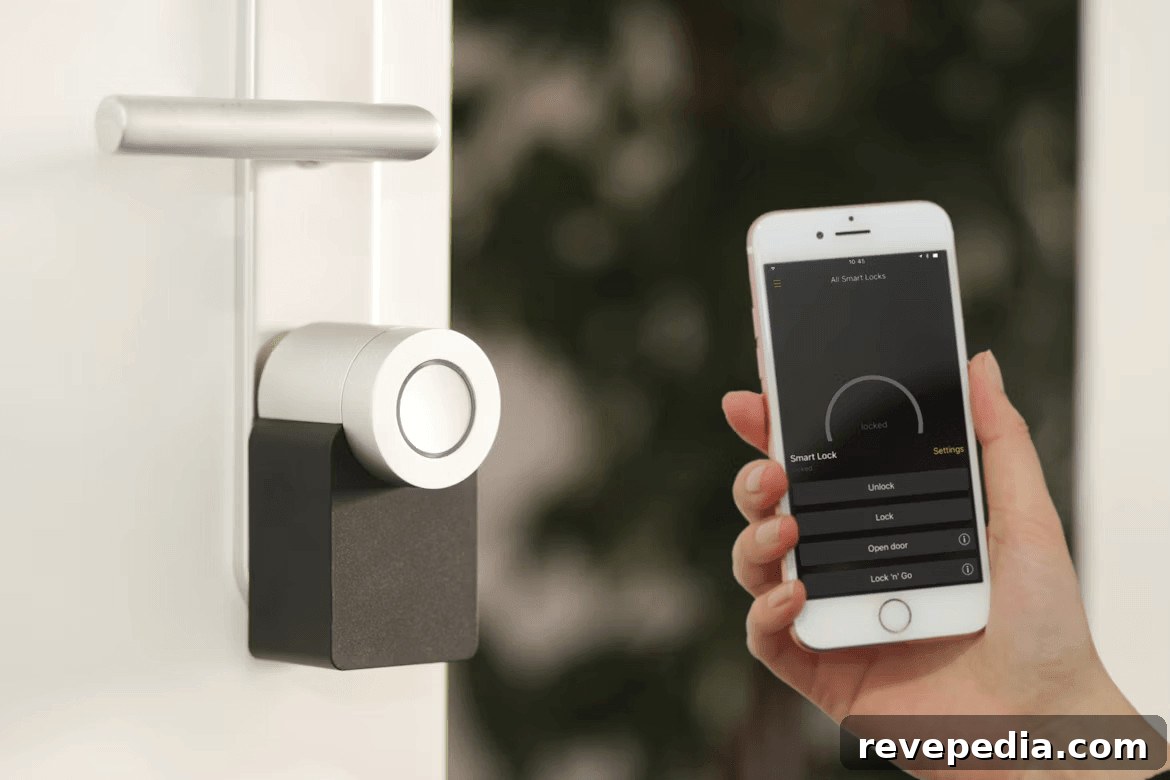
Regular testing helps you identify weak Wi‑Fi spots, low battery levels in sensors, and notifications that may need adjusting. Addressing these issues now prevents discovering malfunctions at the worst possible moment.
A Digital Winter Checklist
A short digital checklist helps keep priorities clear. Review and update:
- Smart thermostat schedules and frost-protection settings
- Camera and doorbell notification preferences
- Wi‑Fi and router backup options, including failover or cellular hotspots
- Emergency contact lists (both digital and printed)
- Device and battery charge levels, and portable power bank readiness
Spending a few minutes to confirm these items can reduce stress and streamline your response when conditions worsen.
Secure Access When Away From Home
Storms often arrive during holiday travel or business trips. If you manage home systems remotely—checking cameras, adjusting settings, or receiving weather alerts—protect your connection when using public Wi‑Fi. Use encrypted connections or trusted VPN services to safeguard login credentials and prevent unauthorized access to your home network while you’re away.
Additionally, enable two-factor authentication on accounts that control security and smart devices to add an extra layer of protection against intrusion during vulnerable periods.
Make Supplies Easy to Reach
Emergency supplies must be readily accessible when you need them. Store flashlights, extra batteries, blankets, bottled water, a first‑aid kit, and essential medications in a location that remains reachable if power is out or snow blocks certain exits. Label containers clearly and ensure everyone in the household knows where supplies are kept.
Consider a small, grab-and-go kit for each vehicle and an indoor kit for the most used living area. Keeping items organized and visible saves time and reduces stress during an emergency.
Think Beyond the Storm
Preparing for winter storms also means planning for recovery. Keep photo documentation of your property for insurance purposes, store policy numbers and agent contact information in a designated folder, and save emergency service numbers where they can be accessed quickly. Documenting your home’s condition before snowfall can simplify claims and repairs if damage occurs.
Final Thoughts
Winter storm preparedness has evolved with modern homes. Traditional items like flashlights and shovels remain essential, but today’s homeowners should also plan for backup power, protect connected devices, and establish clear communication strategies. By addressing both physical vulnerabilities and digital considerations, you’ll be better equipped to weather the storm and recover more quickly afterward.