
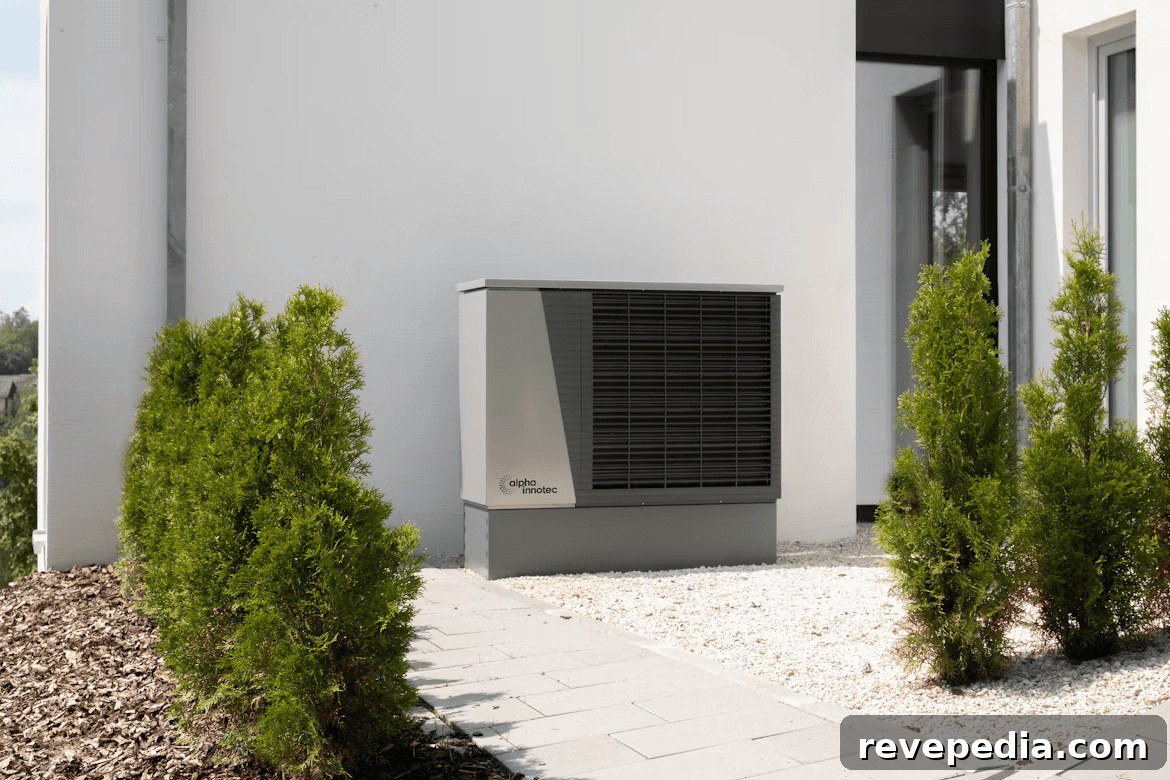
Installing a central heat pump is a significant investment for any homeowner in the United States. When properly specified and installed, a heat pump provides efficient heating and cooling year-round. The long-term performance, efficiency, and reliability of the system depend heavily on the quality of the installation and the competence of the installer. Rushed decisions or insufficient research often lead to poor installations, higher energy bills, and costly repairs. To help homeowners make confident choices, the following questions focus on the most important factors to evaluate when selecting a central heat pump installer.
What Certifications Does the Installer Hold?
Professional certifications and accreditations demonstrate that an installer meets industry standards and has the technical knowledge required to install and service heat pump systems. Ask to see current certifications for the technicians who will perform the work. Certifications may cover safety, refrigerant handling, and specific manufacturer training for central heat pump installation. Verifying credentials helps ensure the contractor understands the system and follows best practices, which protects your investment and can influence warranty coverage.
How Much Experience Does the Company Have with Heat Pump Installations?
Experience matters for complex HVAC projects. A contractor that has completed many central heat pump installations will have encountered a wide range of installation challenges and learned practical solutions. Request information about recent jobs and ask for references or addresses of three recent installations so you can verify workmanship and satisfaction. While newer companies can offer competitive pricing, established contractors with a proven track record generally present lower risk and greater reliability.
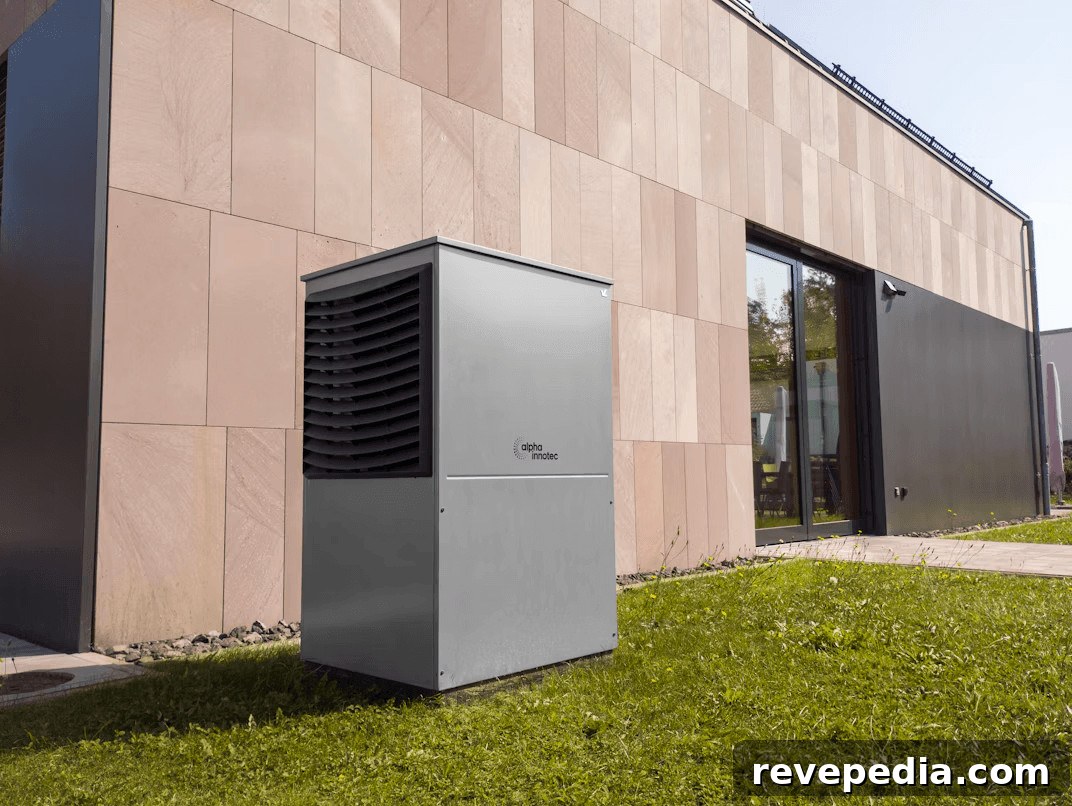
Will the Installer Perform a Manual J Load Calculation?
A Manual J load calculation is the industry-standard method for sizing heating and cooling equipment. It accounts for local climate, home orientation, window sizes, insulation levels, number of occupants, and other factors that influence heating and cooling loads. Accurate sizing prevents common problems: oversized units short-cycle and waste energy, while undersized units struggle in extreme temperatures and fail to maintain comfort. Reputable installers perform a Manual J calculation before recommending equipment, and it typically requires room measurements and about an hour of on-site evaluation. Insist on this calculation and request a copy of the report as part of the proposal.
Which Brands and Models Do They Recommend, and Why?
Not all heat pump brands or models perform equally. A knowledgeable installer should explain options objectively, describing the advantages and trade-offs of different manufacturers and models. Look for explanations that reference performance metrics such as SEER2 (Seasonal Energy Efficiency Ratio) and HSPF2 (Heating Seasonal Performance Factor), which help compare models based on energy efficiency. Higher efficiency ratings typically lead to lower operating costs over the life of the system. Avoid contractors who push a single brand without clear justification—independent, data-backed recommendations are preferable.
What Does the Installation Process Include and How Long Will It Take?
A transparent installer provides a clear work plan and timeline. Typical tasks include removing existing equipment, preparing mounting locations, setting the outdoor unit, running refrigerant and electrical lines, connecting the indoor components, and commissioning the system. The installer should explain the expected schedule, any disruptions to your home, and how they will protect floors, walls, and landscaping during the job. Some installations can be completed in a single day, while others require multiple visits for ductwork modification or system commissioning. Clear communication about process and cleanup reflects professionalism.
What Warranty Terms Apply to Labor and Parts?
Manufacturer warranties usually cover defects in parts, but labor coverage varies by installer. Ask about the length and scope of both parts and labor warranties, whether warranties are in writing, and whether they are transferable if you sell the home. A longer labor warranty often indicates confidence in workmanship and provides valuable protection against installation-related issues. Confirm what conditions or maintenance requirements might void warranties and keep a written copy for future reference.
Who Handles Permits and Inspections?
Most municipalities require permits and inspections for central heat pump installations to ensure compliance with local building codes and safety standards. A reputable installer will obtain necessary permits and coordinate inspections on your behalf. Skipping permits can lead to fines or problems when selling the property, and might jeopardize insurance or warranty claims. Ask the contractor to explain the permit process, how they document code compliance, and how they handle final approvals and inspection sign-offs.
How Is System Performance Verified After Installation?
Proper commissioning and testing confirm that the system operates as intended. Ask whether the installer will verify refrigerant charge, airflow, thermostat calibration, and system controls during commissioning. Request documentation of the post-installation checks, such as startup reports, measurement values, and any adjustments made. Proper testing improves efficiency, extends equipment life, and identifies issues early, reducing the likelihood of callbacks and service visits.
Final Considerations Before You Sign
Choosing the right central heat pump installer requires asking targeted questions and reviewing documentation. Compare written proposals that include model numbers, efficiency ratings, Manual J results, anticipated timelines, warranty terms, and details about permits and commissioning. Take time to read customer reviews and speak with references. Investing a little time in research and selecting a qualified, transparent installer will protect your investment, maximize comfort and energy savings, and provide peace of mind for years to come.