
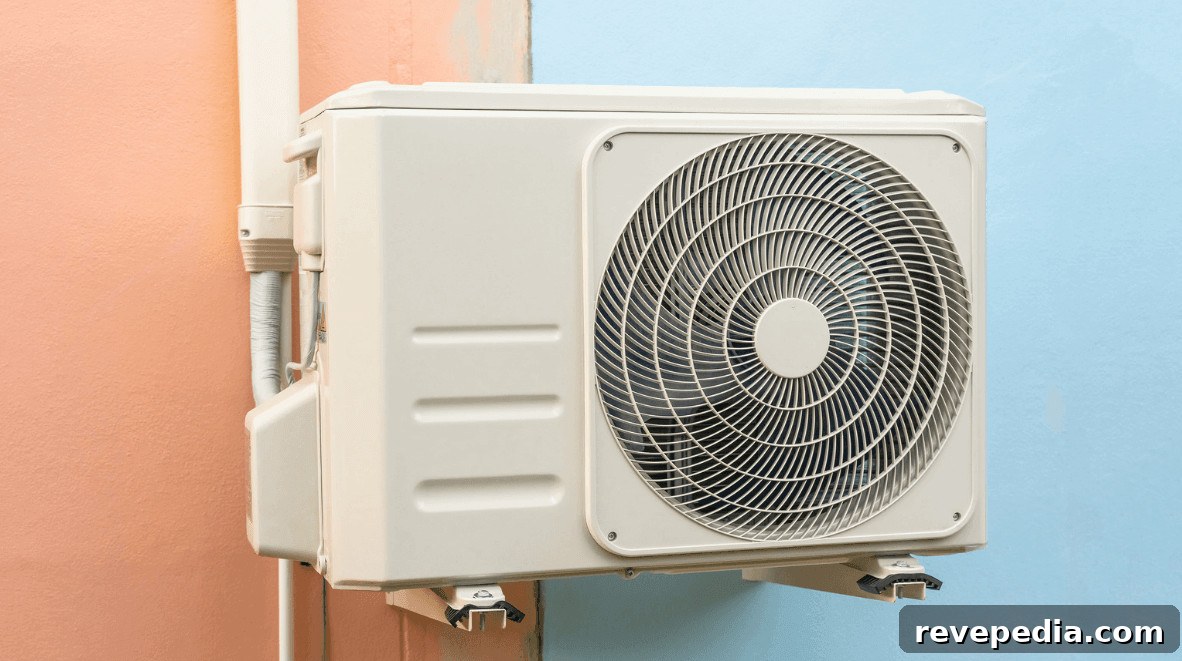
A refrigerant line that has been flared, brazed, and vacuum-sealed by a certified technician used to be the only part of a mini-split installation you could not shortcut. Opening that circuit without EPA certification risks a poor connection and violates federal refrigerant-handling rules. That requirement is the main reason many homeowners who are comfortable mounting units, running wiring, and setting a condenser on a pad still hire a professional crew for a full installation.
Zone Air takes a different approach. The company markets factory-sealed, pre-charged line sets using R-454B refrigerant and quick-connect fittings designed to simplify installation. Those factory-sealed connections can reduce the need for specialized tools such as flaring equipment, brazing torches, and vacuum pumps. However, using pre-charged links does not automatically remove EPA certification or local licensing obligations. Homeowners should confirm which installation tasks they are legally permitted to perform in their jurisdiction.
Image credit: Pexels
What Zone Air Actually Sells
Zone Air sells a range of ductless systems rather than a single model. The lineup spans from roughly 9,000 to 30,000 BTU and includes single-zone and multi-zone configurations with both 115V and 230V options. That range is important: a 9,000 BTU unit may be ideal for a bedroom or small home office, while a multi-zone 24,000 BTU system can work for a small apartment or an addition with multiple rooms, depending on the required cooling load.
The company advertises ENERGY STAR and ETL options on some models and claims that assemblies are tested in the United States. Buyers should verify certifications and exact specifications for the model they are considering.
How the Installation Works
The quick-connect fittings are the central innovation, so it helps to explain how the installation differs from a conventional mini-split setup:
- Mount the indoor and outdoor units. This step is the same as any mini-split installation: secure the indoor head on a wall bracket and set the outdoor condenser on a pad or mounting bracket.
- Run the line set between units. Instead of cutting and flaring copper tubing on site, you hook up pre-measured, pre-charged quick-connect fittings following the manufacturer’s instructions. Because connecting refrigerant lines can be regulated work, confirm whether an EPA-certified technician must perform or supervise this step.
- Complete electrical connections. Local electrical codes often require a licensed electrician for new circuits or high-voltage work. Even when not required, hiring a professional is usually the safer option.
- Power on and commission the system. With a factory-sealed, pre-charged line set, conventional evacuation and charging may not be necessary. Still, all commissioning checks, leak tests, and manufacturer-recommended startup procedures must be carried out before regular operation.
This fourth step can remove one of the more technical phases of installation. Improper evacuation, connection, or charge of refrigerant lines is a common source of underperformance and failures in standard systems; factory-sealed line sets aim to reduce that risk.
The Quick Connect Difference
Many mini-split brands position themselves as DIY-friendly, but fewer use factory-sealed, pre-charged fittings that simplify refrigerant-line work. While pre-charged line sets can allow installers to skip field flaring, brazing, and vacuum pumping, federal rules mean that connecting or disconnecting those lines can still require Section 608 certification if the activity might compromise the sealed refrigerant circuit. In short, “easy install” is a conditional claim: it simplifies certain tasks but does not universally exempt installers from regulation or local permitting.
Before attempting a self-install, homeowners should check permitting, inspection, and warranty terms. Local rules vary, and those details affect whether a DIY approach is practical and legal.
What You Get for the Price
Zone Air systems are advertised starting around $1,899.99 and often include free shipping, which is meaningful for heavy equipment like condensers and line sets. The warranty typically covers parts for five years and the compressor for seven years—compressor coverage is especially valuable because compressor replacement is usually the most expensive repair. Warranties commonly exclude labor, installation errors, and certain other costs, so read the warranty terms closely.
Strengths
Simplified refrigerant connections. Factory-sealed, pre-charged line sets reduce the need for field refrigerant work, easing one of the more technical installation steps.
Longer compressor coverage. A seven-year compressor warranty provides extra protection for a critical component, subject to manufacturer conditions.
Free shipping on bulky equipment. Not paying freight for heavy HVAC components can be a noticeable cost saving when it applies.
Recognition for ease of installation. The design is noted for its simplified installation process; buyers should weigh that against independent reviews and verified specifications.
Where It Falls Short
The quick-connect approach streamlines refrigerant connections but does not eliminate the need for electrical work, wall penetrations, structural mounting, or local permits—tasks that often require skill or licensed professionals. Capacity limits mean the product range may not suit whole-house cooling; a proper cooling-load calculation should be performed if you are replacing a central system. Finally, a self-install model trades the convenience of a contractor-led job for the homeowner’s time and effort.
Who Should Buy This

Image credit: Pexels
Zone Air is suited to homeowners cooling a single room, a home office, or a small multi-room space who are comfortable with basic installation tasks and willing to confirm regulatory requirements. It appeals to buyers who prefer ductless performance and efficiency over window units and who want to avoid paying for contractor work they can legally and safely perform themselves.
It is not a good fit for those needing greater capacity than available configurations, homeowners unwilling to arrange licensed professionals for regulated electrical or refrigerant tasks, or anyone who wants a single contractor to manage the entire project from start to finish.
What Homeowners Should Check Before Buying
Before purchasing, verify the unit’s cooling capacity, voltage and electrical needs, local permit and inspection rules, and warranty details. Confirm whether installation requires EPA-certified refrigerant handling, a licensed electrician, or both. These factors determine the true project cost and whether a DIY installation is a practical choice.
The Verdict
Zone Air’s primary innovation is factory pre-charging of the refrigerant circuit and quick-connect fittings. That approach can make refrigerant-line installation simpler and reduce one of the more technical barriers to DIY mini-split installs, but it does not automatically remove regulatory or licensing requirements. The systems offer multi-year parts and compressor warranties and may include free shipping. For a single room or small multi-zone application, Zone Air is a viable option worth considering; for whole-home cooling or full contractor-managed projects, evaluate capacity and installation responsibilities before deciding.