
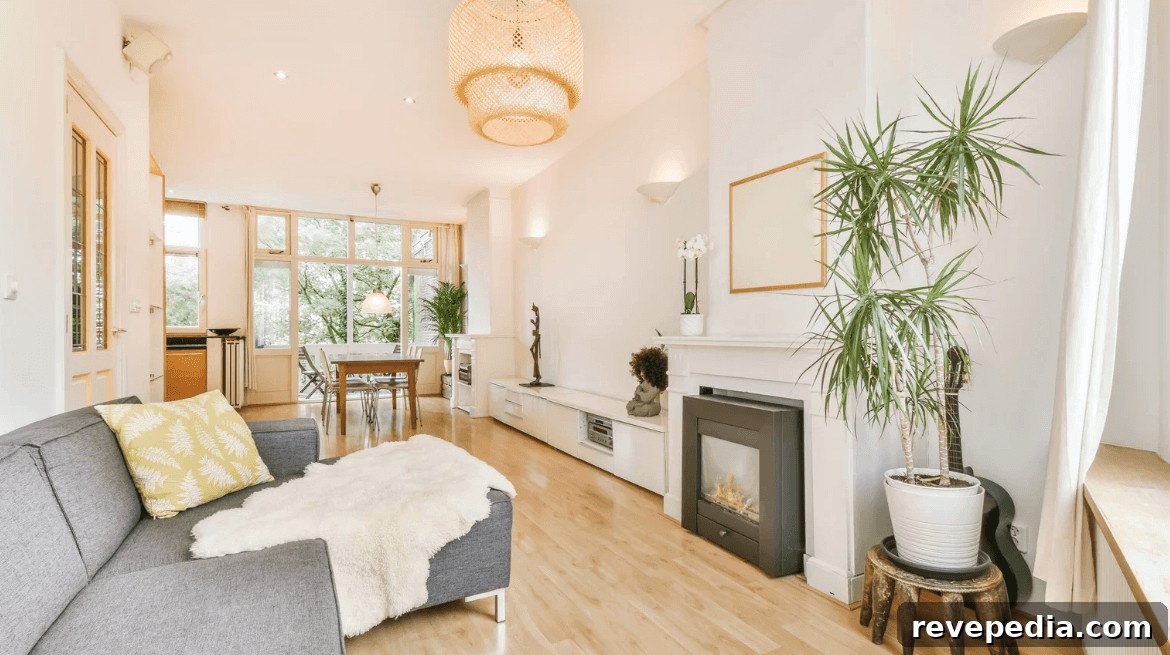
A newly renovated space can look immaculate yet still feel cold, flat or impersonal. Smooth surfaces, coordinated finishes and fresh neutral paint create a clean base, but they can also erase the small irregularities that convey comfort and character. Genuine warmth comes from color, texture, organic forms and thoughtfully placed light. Introducing those elements in balanced layers helps a finished renovation feel lived-in without turning the room into clutter.
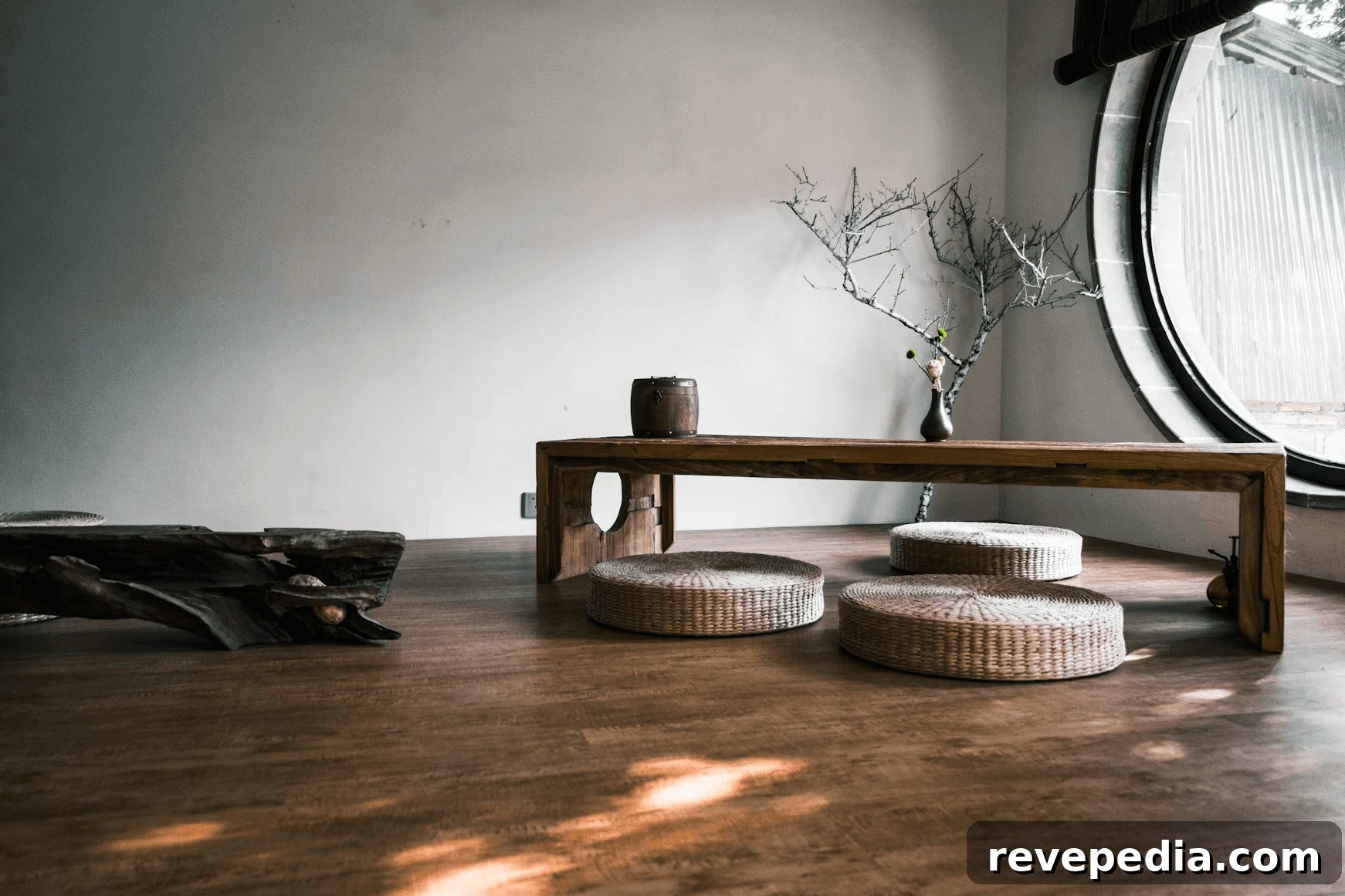
Image Credit: Unsplash (photo: brown wooden bench near window)
Recognize When a Renovated Room Feels Sterile
Start by identifying why the room feels detached. Common causes include uninterrupted white walls, glossy or reflective floors, matched furniture sets and single overhead lights that illuminate every surface evenly. Spaces can also feel sterile when most objects have hard edges and uniformly smooth finishes.
Principles from biophilic design are useful here: organic shapes, natural references and varied textures strengthen a sense of connection to the outdoors and make interiors feel more inviting. Take a photograph of the room and scan it for large, uninterrupted areas that lack color or texture. A bare console, a stark corner or a severe countertop typically indicates where a softer element belongs.
Keep the architectural simplicity you value. The aim isn’t to cover the room in accessories but to interrupt excessive uniformity with a few thoughtful, humanizing details. Paint is often the quickest and most economical fix. If plain white feels cold, test warmer neutrals such as cream, sand or soft clay. Always view samples in morning and evening light because a shade that feels warm at noon may look dull or gray after dark.
Introduce Lively Artificial Flowers
Flowers bring curves, color and vertical movement to a space dominated by straight lines. Realistic artificial arrangements are a low-maintenance option that offer consistent visual impact year-round, and they work well in entryways, guest rooms or interior spaces with little natural light.
Scale matters more than quantity. On a kitchen island, an arrangement about one-third the island’s width reads as proportionate; on a bedside table, two or three well-chosen stems are sufficient. Avoid rigid, fan-shaped compositions by bending stems slightly and varying heights to create a looser silhouette.
Choose colors that already exist in the room and add one neighboring tone to create harmony and interest. For example, rust-colored blooms can warm tan upholstery, while muted plum adds depth to gray-blue palettes. Dust artificial petals occasionally and rotate arrangements seasonally so they remain a focused element rather than visual background noise.
Incorporate Natural Wood and Textures
Introduce materials with visible grain, weave or variation. A walnut tray, an oak stool or a woven basket can soften a room immediately without a major renovation. Mixing two or three related wood tones usually feels more organic than matching everything perfectly. For instance, a pale dining table can sit comfortably alongside a dark picture frame when both share warm undertones.
Textiles are the fastest way to change a room’s tactile appeal. Add linen curtains, a wool-blend rug, or cotton pillows with a slightly nubby weave. In a space of smooth drywall and polished counters, even a single textured throw draped over a chair will make the setting feel more relaxed and approachable.
Personal items complete the transformation. Hang a framed print or family photograph on a bare wall, and group everyday objects—books, a ceramic bowl, a small sculpture—on a shelf or console so the room reads as lived-in rather than staged.
Layer Lighting to Add Warmth
Replace single-source illumination with multiple pools of light. Keep the primary ceiling fixture for practical tasks and cleaning, but introduce table lamps, floor lamps and wall-mounted fixtures to define conversation, reading and display zones. Layered lighting gives the room depth after dark and prevents corners from fading into shadow.
Color temperature matters. Bulbs around 2700K deliver a warm, amber light suited to living rooms and bedrooms, while kitchens and task areas often benefit from slightly clearer 3000K bulbs. Ensure bulbs visible from the same area share a similar color temperature; mixing warm amber and cool blue-white light within a single sightline creates visual discord.
Place lamps so shades rest near seated eye level and use dimmers when possible to control ambiance. Add a small accent light to highlight wood grain, textured fabric or a floral arrangement—lighting accentuates the subtle variations that create warmth and interest.
Compose the Final Layered Look
After introducing color, texture, natural materials and layered lighting, evaluate the room in daylight and again at night. If the space still feels bare, add one stronger focal element; if it feels cluttered, remove a few small accessories. Allow the most textural or colorful feature to command attention and give it open space to breathe. With thoughtful layering, a renovated room moves beyond “finished” to become genuinely comfortable and welcoming.