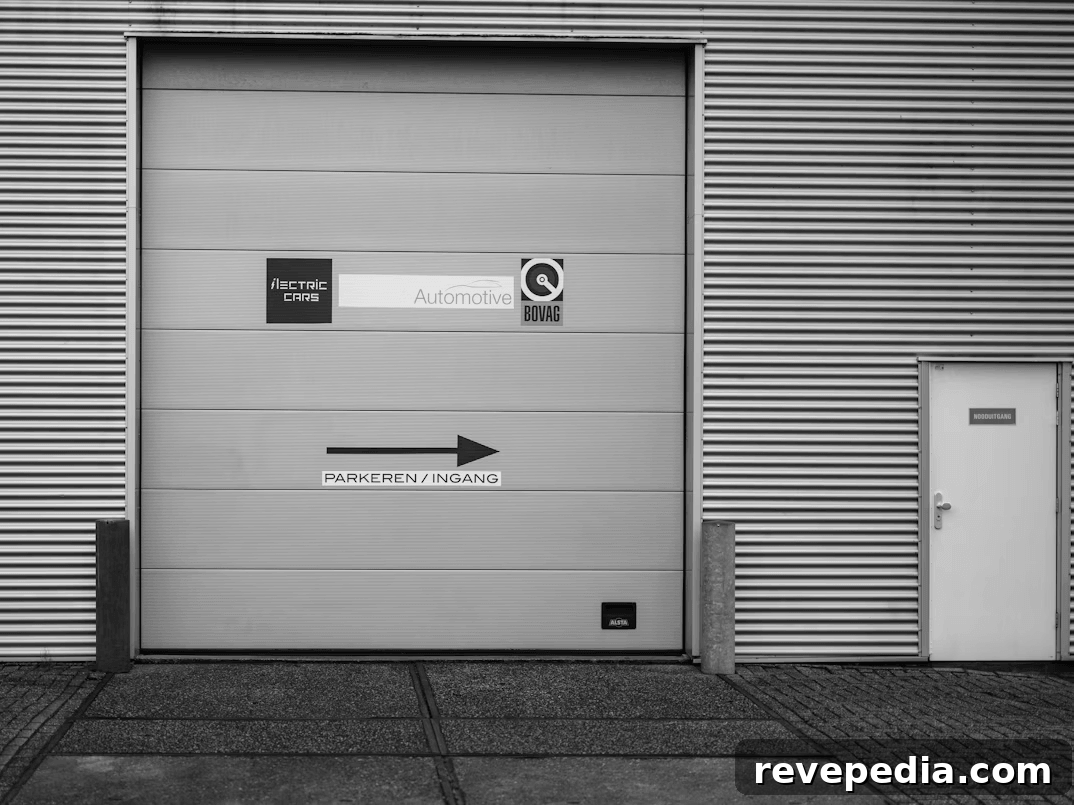
Industrial and commercial operations depend on dependable, fast access points to maintain productivity, safety, and smooth logistics. High-speed garage doors are engineered to meet these needs by offering rapid opening and closing cycles that reduce energy loss, limit exposure to outside elements, and keep interior environments stable. Understanding the capabilities and advantages of high-speed door systems helps facility managers and business owners improve throughput, lower operating costs, and protect sensitive spaces.
High-speed doors are commonly found in warehouses, distribution centers, manufacturing plants, cold storage facilities, and busy commercial buildings where durability, speed, and reliability are essential. These systems are specifically designed for repetitive cycles and high-traffic areas, providing a practical solution for facilities that require frequent, time-sensitive access.
How High-Speed Garage Doors Work
High-speed garage doors differ from standard sectional or rolling doors in key ways that make them better suited for intensive industrial and commercial use:
- Motorized Operation: High-performance motors enable rapid opening and closing, often completing cycles in seconds to minimize delays.
- Lightweight, Durable Panels: Materials such as PVC, reinforced fabric, or insulated composites reduce weight and wear, allowing smooth, consistent operation.
- Sensors and Safety Systems: Integrated safety sensors and edge detection prevent collisions and stop doors when obstructions are detected.
- Automated Controls and Integration: Controllers can connect to building automation, access-control systems, vehicle sensors, and warehouse management systems for coordinated operation.
These characteristics make high-speed doors ideal for facilities with frequent vehicle traffic, pedestrian movement, and processes that require controlled environments.
Key Benefits of High-Speed Doors
1. Improved Operational Efficiency
- Rapid cycle times reduce waiting for vehicles, forklifts, and personnel, increasing throughput.
- Supports high-volume logistics and production workflows where reducing delays is critical.
- Minimizes bottlenecks at loading docks, internal partitions, and entry points.
2. Energy Efficiency
- Fast operation minimizes the time openings are exposed to outdoor air, reducing heating and cooling losses.
- Insulated or tight-sealing panels help preserve interior temperatures for climate-controlled zones.
- Lower energy consumption and improved HVAC performance translate to reduced operating costs over time.
3. Enhanced Safety
- Advanced sensors detect people, equipment, or obstacles in the doorway and halt movement to prevent accidents.
- Properly specified systems reduce the risk of collisions, entrapment, and equipment damage.
- Many designs meet or exceed relevant safety and compliance standards for industrial environments.
4. Durability and Low Maintenance
- Built for repeated cycles, many systems withstand tens of thousands of openings per year with minimal degradation.
- Materials are chosen to resist wear, corrosion, and environmental damage in industrial settings.
- With correct selection and installation, maintenance is less frequent and less disruptive than with conventional commercial doors.
5. Protection Against Contaminants
- High-speed doors help maintain controlled conditions in food processing, pharmaceutical, and sensitive manufacturing areas.
- They reduce infiltration of dust, debris, pests, and airborne contaminants.
- Improved hygiene and environmental control support compliance with cleanroom and sanitation requirements when applicable.
Applications for High-Speed Doors
High-speed doors are appropriate for many commercial and industrial applications, including:
- Warehouses and distribution centers: Streamline loading and unloading while preventing temperature fluctuations and contamination.
- Manufacturing facilities: Improve internal workflow between production lines, assembly areas, and storage zones.
- Cold storage and refrigerated areas: Minimize energy loss and maintain stable interior temperatures for perishable goods.
- Retail distribution and logistics hubs: Handle peak traffic and reduce congestion during busy periods.
Facilities with high traffic volumes, frequent door cycles, or strict environmental requirements gain the most from high-speed door investments.
Installation Considerations
Proper specification and installation are essential to realize the benefits of a high-speed door system. Key considerations include:
- Door Size and Opening Requirements: Accurate measurements based on vehicle size, fork-lift paths, and clearance needs ensure efficient operation.
- Motor Power and Controls: Choose motor sizing and control systems to match cycle frequency, load, and integration needs with automation platforms.
- Material Selection: Select PVC, insulated fabric, aluminum, or composite panels based on durability, speed, insulation, and hygiene requirements.
- Maintenance Access and Serviceability: Design installations to allow safe, convenient access for inspections, repairs, and part replacement.
Working with experienced contractors and suppliers helps ensure doors are sized, configured, and installed to meet operational demands and safety standards.

Cost Considerations in 2026
High-speed garage doors generally carry higher upfront costs than standard commercial doors, but their efficiency, reduced downtime, and longer service life often deliver measurable long-term savings. Typical price ranges in 2026 are:
- Entry-level doors for small openings: approximately $3,000–$6,000, depending on features and controls.
- Mid-range industrial high-speed doors: roughly $6,000–$12,000, varying with size, insulation, and construction.
- Custom, large-scale systems with advanced automation and specialized materials: $12,000 and up, depending on complexity.
Installation, control integration, automation features, and optional insulation or sanitary finishes add to project costs. Evaluating total cost of ownership—factoring in energy savings, reduced product loss, and lower maintenance—helps justify investment decisions.
Maintenance Tips for High-Speed Doors
- Schedule professional inspections every 6–12 months to verify operation and safety systems.
- Lubricate moving components and inspect hinges, rollers, tracks, and seals for wear.
- Regularly test safety sensors, photo eyes, and control circuitry to ensure prompt response to obstructions.
- Replace damaged panels or worn parts quickly to maintain speed, sealing performance, and reliability.
Proactive maintenance reduces unexpected downtime, extends equipment life, and preserves the operational advantages of high-speed doors.
Conclusion
High-speed garage doors deliver clear benefits for industrial and commercial facilities seeking improved operational efficiency, better energy performance, enhanced safety, and long-term durability. They are especially valuable in high-traffic environments, climate-controlled areas, and operations where minimizing delays and environmental exposure is critical. Businesses planning upgrades should work with qualified professionals to select the correct door type, integrate appropriate controls, and establish a maintenance program that ensures reliable performance for years to come.