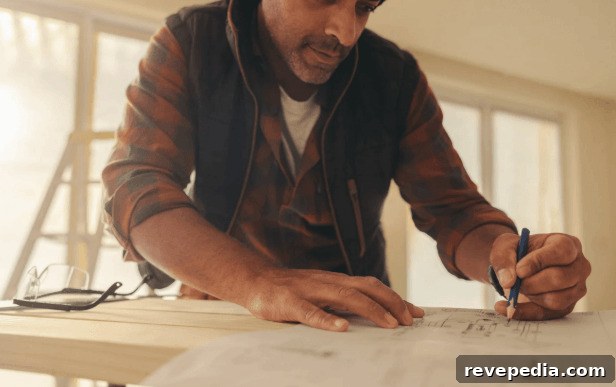
Owning a home means there is always something to repair, upgrade, or improve. As a homeowner who enjoys tackling projects, I’ve learned that well-chosen upgrades do more than improve appearance: they make daily life easier, increase long-term durability, and help prevent more costly problems down the road.
Some projects are simple weekend tasks; others require planning and professional help. The important part is identifying which investments deliver the greatest benefits for comfort, efficiency, and lasting value.
In climates like Boulder, Colorado, where intense sun, cold winters, and sudden weather shifts are common, materials and systems face accelerated wear. Smart upgrades help homes remain comfortable, operate more efficiently, and retain value despite demanding conditions.
If you want practical ways to improve your home, the following upgrades are a solid starting point.
Energy-Efficient Window and Door Replacements
Windows and doors strongly influence indoor comfort and energy bills. Older units often allow air leakage that forces heating and cooling systems to run more than necessary. Even small drafts can create noticeable temperature differences between rooms.
Modern window technology delivers meaningful improvements. Double- or triple-pane glass with low-emissivity coatings reduces heat transfer while preserving daylight. Insulated frames improve thermal performance, and well-sealed, high-quality doors add another barrier against unwanted air exchange. Upgrading windows and doors improves comfort, lowers utility costs, and reduces strain on HVAC equipment.
Roofing System Improvements
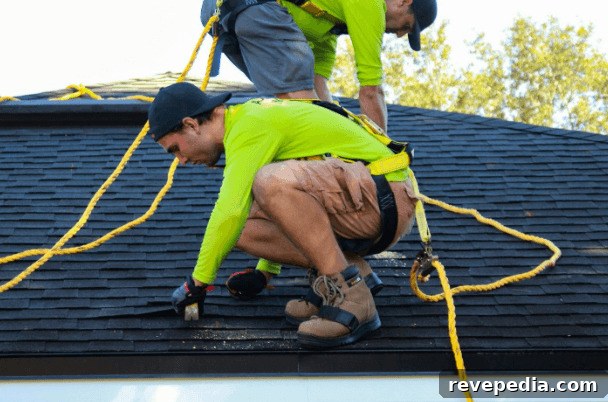
The roof is the home’s first line of defense against weather. Snow accumulation, heavy rain, wind, and intense sun slowly degrade roofing materials. Minor damage can remain hidden until leaks affect insulation, drywall, or structural elements.
Regular inspections reveal missing shingles, compromised flashing, or deteriorating underlayment before issues worsen. When replacement is necessary, professional installation ensures proper flashing, ventilation, and sealing—extending the roof’s service life and protecting the structure beneath. Proactive roofing maintenance preserves your investment, enhances weather resistance, and maintains household safety and comfort.
High-Performance Insulation Upgrades
Insulation is essential for maintaining consistent indoor temperatures. Many older homes have insufficient insulation in attics, exterior walls, or crawl spaces. Gaps and thin coverage allow conditioned air to escape and outside air to enter.
Upgraded insulation reduces the load on heating and cooling systems. Spray foam provides an airtight seal in irregular or hard-to-reach areas, blown-in cellulose is a cost-effective option for attic retrofits, and rigid foam boards deliver strong thermal resistance for walls and foundations. Better insulation means more stable interior temperatures, lower energy bills, reduced risk of ice dams in winter, and cooler interiors in hot weather.
HVAC System Modernization
Heating and cooling are often the largest energy consumers in a home. Older HVAC equipment can still run but may be inefficient, causing uneven airflow, frequent cycling, and higher utility costs.
Upgrading to high-efficiency furnaces, heat pumps, or air conditioners improves comfort while using less energy. Modern systems modulate output to match real-time demand instead of running at full power constantly. Adding a smart thermostat enhances control by learning schedules, optimizing setpoints, and reducing wasted runtime. Together, these improvements lower bills and increase year-round comfort.
Kitchen Functionality Enhancements
The kitchen shapes daily routines more than most rooms. Upgrades here should prioritize function and durability rather than short-lived trends. Energy-efficient appliances reduce electricity and water use while improving performance. Thoughtful cabinet layouts maximize storage and reduce clutter. Durable countertop materials stand up to heavy use without losing their appearance.
Lighting matters, too. Layered lighting that includes task fixtures improves visibility for cooking and prep work. Small layout adjustments can improve workflow and create a more open feel without a full remodel. Strategic kitchen upgrades enhance day-to-day living and boost resale appeal—buyers consistently favor updated, efficient kitchens as a sign of a well-maintained property.
Bathroom Efficiency and Comfort Improvements
Bathrooms are exposed to constant moisture, so durability and ventilation are critical. Outdated fixtures and poor airflow can lead to mold, peeling finishes, and hidden water damage over time.
Installing water-efficient toilets, faucets, and showerheads reduces consumption without sacrificing performance. Improved ventilation systems remove excess humidity quickly, protecting walls, ceilings, and cabinetry from long-term damage. Selecting moisture-resistant materials and durable finishes helps bathrooms hold up under daily use while minimizing maintenance needs.
Smart Home Technology Integration
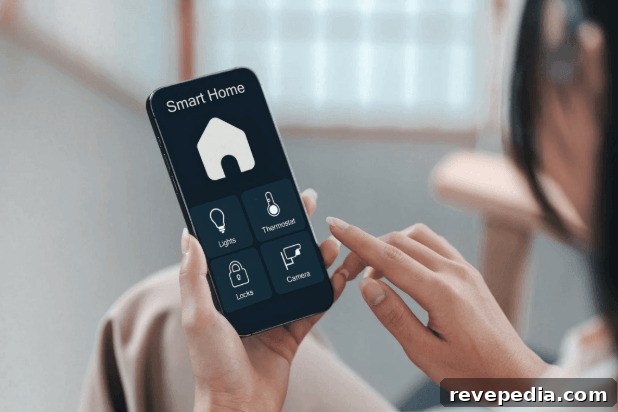
Smart technology now plays a practical role in home management beyond convenience. Integrated systems improve security, monitoring, and energy control. Modern security setups include motion detection, remote camera access, and real-time alerts. Leak detectors placed near water heaters, sinks, and washers offer early warning that can prevent major damage. Automated lighting and climate controls let homeowners manage systems remotely, lowering energy use when the house is empty.
Energy monitoring tools reveal consumption patterns and identify opportunities for efficiency gains, guiding future upgrade decisions. Linking devices into a coordinated system creates seamless automation that adapts to daily routines without constant manual input.
Exterior Siding and Drainage Improvements
Exterior materials protect the home from weather and structural stress. Cracked siding, failing caulking, and poor drainage can undermine framing and foundation stability over time. Addressing these issues proactively reduces the likelihood of expensive repairs.
Durable siding materials resist moisture intrusion and lessen maintenance needs; options like fiber cement and engineered wood combine resilience with aesthetic appeal. Proper installation keeps seams sealed against wind-driven rain. Effective drainage—including correctly pitched grading, well-maintained gutters, and properly routed downspouts—keeps water away from the foundation, lowering the risk of basement leaks and soil erosion.
Conclusion
Home improvement is about more than appearances; it’s about creating a home that functions better for your household every day. Thoughtful upgrades protect your investment, improve comfort and efficiency, and reduce the chance of costly repairs later on.
From improved insulation and roofing to modern HVAC systems and smart technology, each project contributes to overall performance. Some projects you can handle on weekends; others require professional expertise. The shared goal is the same: make your home stronger, more efficient, and easier to live in.
Over time, these improvements add up. You’ll notice savings on energy bills, greater comfort, and even a higher resale value. Most important, you’ll have the satisfaction of creating a safer, more comfortable home for the people who live in it.