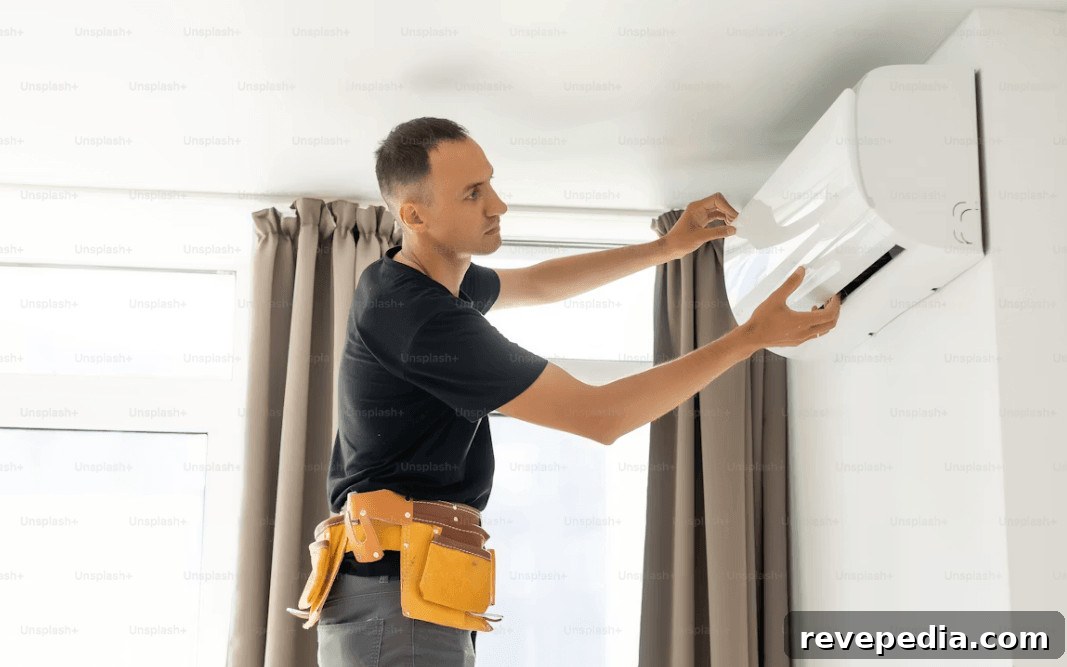
There is a particular kind of dread that arrives when the air conditioner falters in July. In a climate where indoor temperatures can become dangerous within hours of a system failing, a struggling AC is more than an inconvenience. It forces a decision—often under pressure and on the hottest day of the year: repair what you have or replace it entirely?
The correct answer depends on specific, measurable factors rather than guesswork. Certain clear signs distinguish a unit worth repairing from one that is quietly wasting money and energy. Recognizing those signs turns a stressful choice into a rational one.
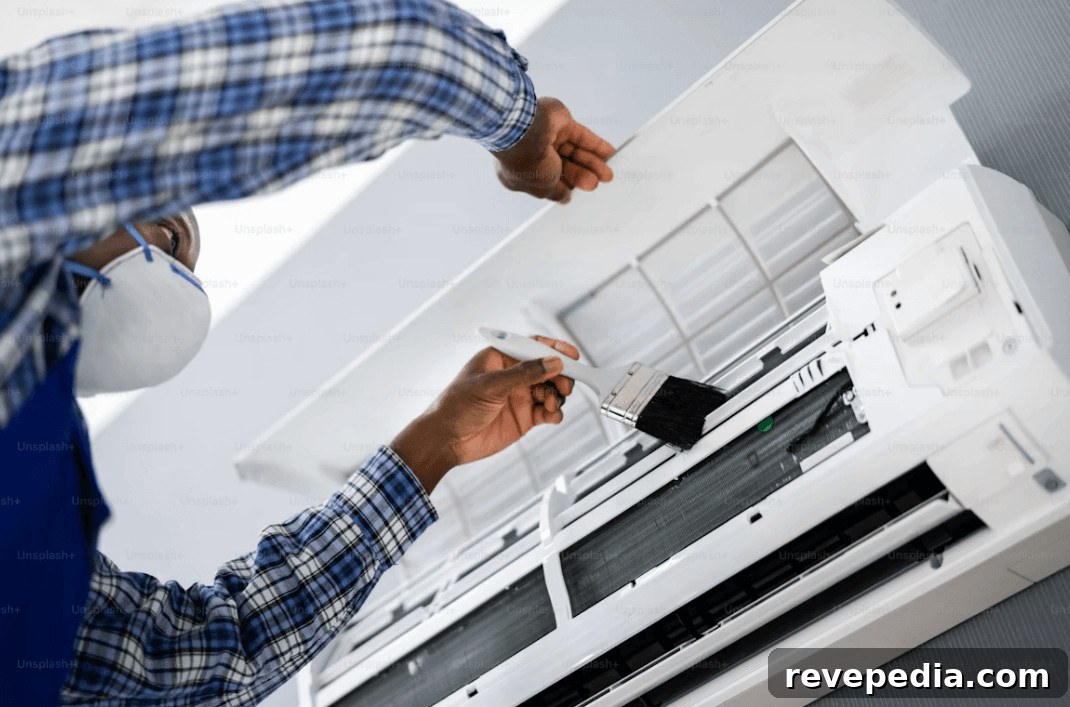
Image: Getty for Unsplash
How Phoenix Heat Shortens an Air Conditioner’s Life
Air conditioners are typically rated to last roughly ten to fifteen years. In the Sonoran Desert, plan for the lower end of that range. Units here run harder, longer, and hotter than comparable systems in milder climates. From late spring through early fall, an AC may operate near continuously while extracting heat from a home that is being heated from all sides.
That workload accelerates wear on the most failure-prone parts: the compressor, capacitor, fan motor, and coils. Fine desert dust and grit coat coils and restrict airflow, while monsoon storms can cause power surges and deliver debris. When evaluating an older system, mentally subtract a few years from the stated lifespan—an otherwise twelve-year-old unit in Phoenix has effectively endured more stress than one of the same age elsewhere.
Signs Your AC Only Needs a Repair
Many failures are isolated problems, not reasons to replace the entire system. If your unit is under about ten years old and has been regularly maintained, repair is often the best option. Look for these indicators:
- The unit stops cooling suddenly after years of steady performance—a single failed component (like a capacitor or contactor) frequently explains abrupt outages.
- Airflow is weak or the air is warmer than usual while the system still runs. This usually points to a clogged coil, a failing fan motor, or a refrigerant issue rather than complete system failure.
- The issue is limited to one component while the rest of the system functions normally.
- Cooling bills have remained stable rather than steadily increasing over months or years.
When a single, relatively inexpensive repair restores full performance on a well-maintained system, repairing is typically the sensible choice. If you are unsure whether a symptom is minor or a harbinger of broader decline, a diagnostic visit will identify the failed part and reveal whether the rest of the system has useful life left.
Signs It Is Time to Replace the System
Other symptoms indicate the system is reaching the end of its useful life. Consider replacement if you notice:
- Repeated breakdowns within a single season, especially recurring failures or a string of different problems.
- A steady rise in summer electric bills without changes in usage—falling efficiency is often the earliest sign of systemic decline.
- Persistent uneven cooling that no repair seems to correct, with some rooms remaining warm while others are comfortable.
- The unit uses R-22 refrigerant. Since production and import of R-22 ended in the United States in 2020, servicing these systems can be expensive because the refrigerant supply is limited.
- A failed compressor on an older unit. The compressor is the most expensive single component to replace, and fixing it in a system older than about ten years can approach the cost of a new installation.
The Age and Cost Math
A practical rule of thumb is to multiply the system’s age in years by the estimated repair cost. When that number approaches the price of a new system, replacement becomes more economical—especially in a climate where the AC is a major contributor to the utility bill.
Efficiency improvements over the past decade mean newer units use significantly less electricity for the same cooling capacity. In hot climates where the air conditioner dominates summer bills, the monthly savings from a modern, energy-efficient unit can offset a substantial portion of the replacement cost over time. A low-cost repair that keeps an inefficient system running may seem economical in the short term but can be costly over the life of the equipment.
What to Check Before You Decide
Before committing to repair or replacement, gather a few concrete facts so your decision rests on evidence:
- Determine the exact age of the system by checking the manufacturer label on the outdoor condenser.
- Identify the refrigerant used—R-22 versus a modern refrigerant significantly affects the economics of repair.
- Obtain a clear diagnosis of the failure to know whether it’s an isolated part or a symptom of broader system decline.
- Review recent summer energy bills to detect declining efficiency.
- Consider the system’s maintenance history—a well-serviced older unit is in a different condition than a neglected one.
With those five pieces of information, most homeowners find the path forward becomes much clearer.
Making the Call
In short: a younger, maintained system with an isolated failure is usually repaired. An older system with repeated breakdowns, rising energy bills, a failed compressor, or reliance on R-22 refrigerant typically warrants replacement. The desert climate nudges the decision toward replacing sooner, since equipment here endures much heavier use.
Whatever you decide, don’t postpone planning until the system fails in the middle of a heat wave. The best choices are made in the shoulder seasons when you have time to compare options calmly and schedule work before temperatures spike. If your unit struggled last summer, use that as your cue to evaluate it now and avoid being caught off guard next season.