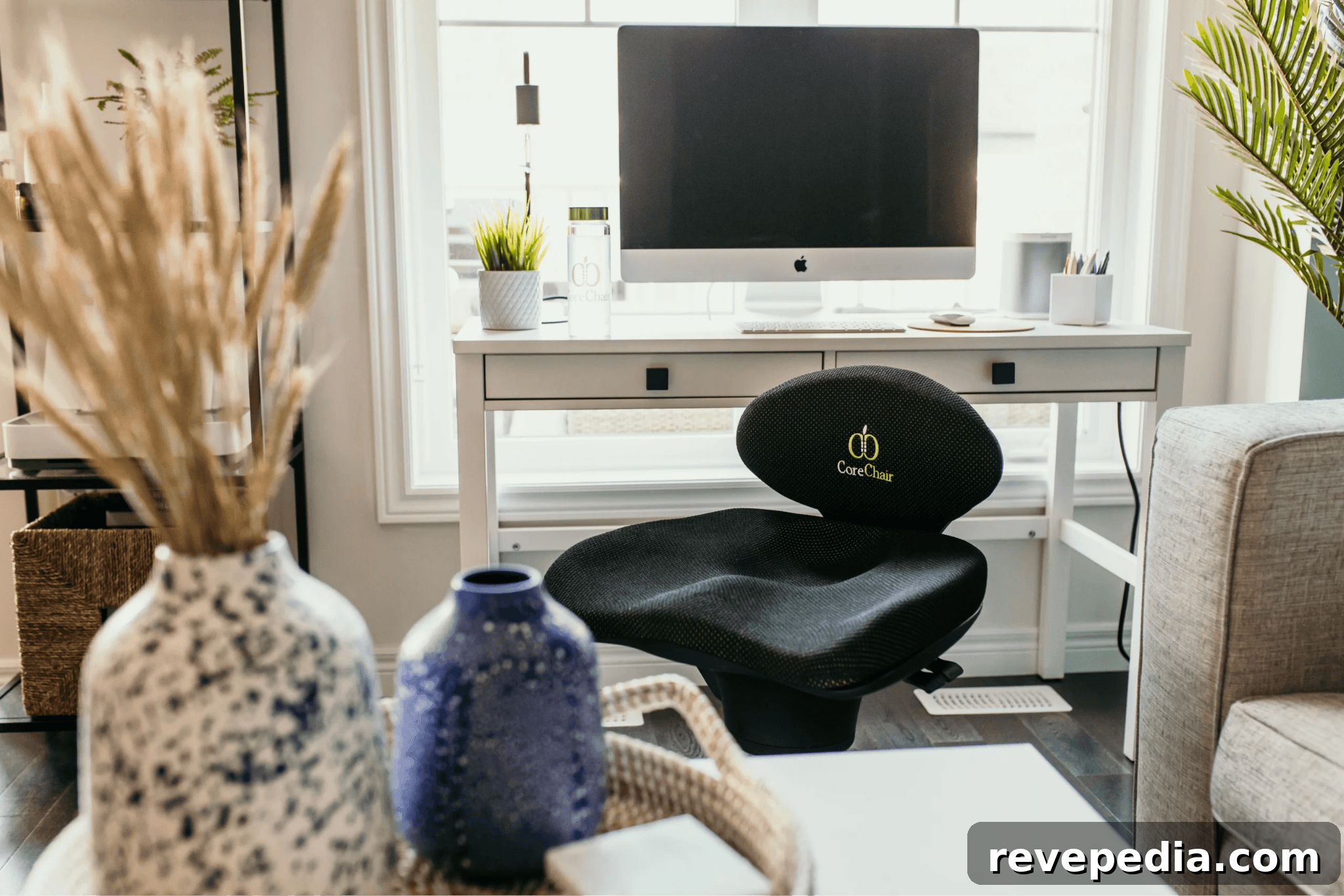
An active sitting chair often appears in conversations about reducing back pain from desk work, mentioned alongside standing desks and lumbar cushions. However, “active seating” actually encompasses a broad range of designs and movement philosophies that many shoppers don’t fully appreciate.
Before comparing specific models, it helps to clarify what separates an active sitting chair from a conventional ergonomic chair. Although manufacturers sometimes use similar language, these chair types operate on fundamentally different principles and produce different results over a full workday.
In short: a traditional ergonomic chair is built to hold the body in a single, supported position, while an active sitting chair is designed to keep the body making small, controlled movements throughout the day. That philosophical difference—continuous gentle movement versus static support—often determines whether a chair really helps posture and comfort during long hours of sitting.
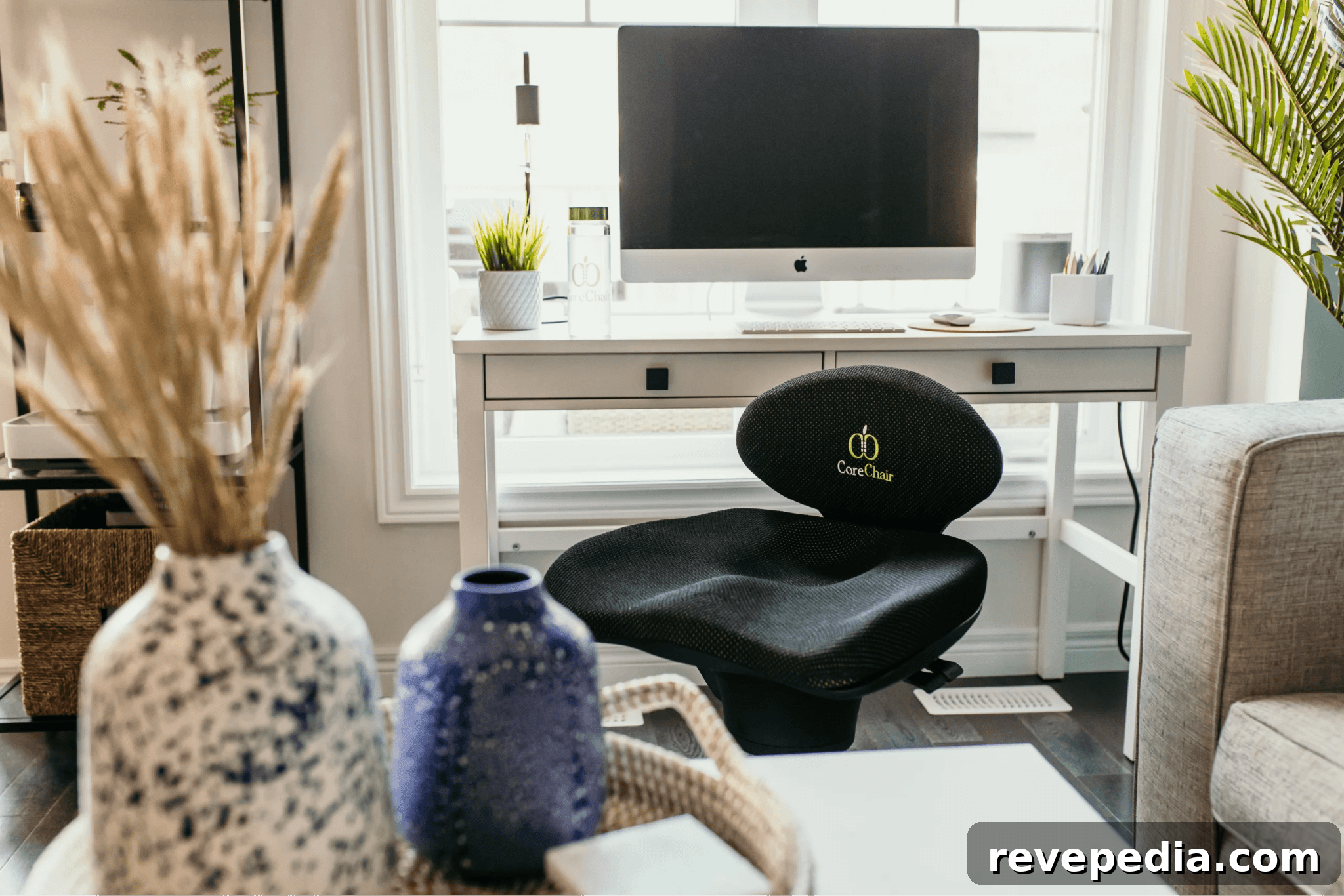
What Makes a Chair “Active” Instead of Just Ergonomic
A conventional office chair, however adjustable, typically encourages the pelvis and spine to remain in one fixed alignment. When the body is expected to maintain that alignment solely through postural muscle effort, fatigue inevitably sets in. Over several hours, those muscles tire and posture collapses, regardless of padding or adjustable settings.
Active sitting takes a different approach. Instead of asking tired muscles to lock the body into place, the seat itself introduces controlled micro-movements that keep postural and core muscles lightly engaged. This subtle, ongoing activation prevents the gradual slump typical of static sitting. The goal is not vigorous exercise but continuous, low-level muscle engagement that supports a healthier upright posture across an eight-hour day.
The Different Types of Active Seating
Active seating includes several distinct design families, and the differences matter. Stability-reducing options such as balance ball chairs create constant small corrections, which do engage core muscles but provide limited back support for full workdays. Wobble stools offer similar instability on a flat seat, allowing a broader range of motion at the cost of structural support.
Kneeling chairs shift weight forward onto the shins, opening the hip angle and reducing lumbar compression; however, prolonged pressure on the knees can be uncomfortable for some users. Saddle chairs use a forward-tilted, narrow seat reminiscent of a horse saddle and are common in dentistry and clinical settings where an upright posture enhances reach and visibility.
Movement-based ergonomic chairs combine the benefits of support and motion. Instead of removing structure to force movement, these designs pair a contoured, supportive seat with a controlled pivot or multidirectional base, enabling natural shifting while still supporting the pelvis and lower back. That balanced approach has driven the category’s evolution beyond simple wobble or kneeling designs into more refined dynamic seating solutions.
What the Research Says About Dynamic Sitting
Research supports the central idea behind dynamic seating: small, continuous motion increases postural muscle activity compared with static sitting. For example, studies that compared trunk muscle activation during office tasks on dynamic versus static chairs found greater movement and different activation patterns with dynamic seating. These findings validate the mechanism—movement promotes ongoing muscle engagement—while stopping short of endorsing every product in the market.
Not all “active” chairs perform the same. A model that delivers true multidirectional motion while providing structural seat and lower-back support behaves differently from one that relies primarily on instability. Understanding this distinction helps buyers evaluate claims and choose designs that fit their individual needs.
Where This Approach Fits Into the Active Sitting Category
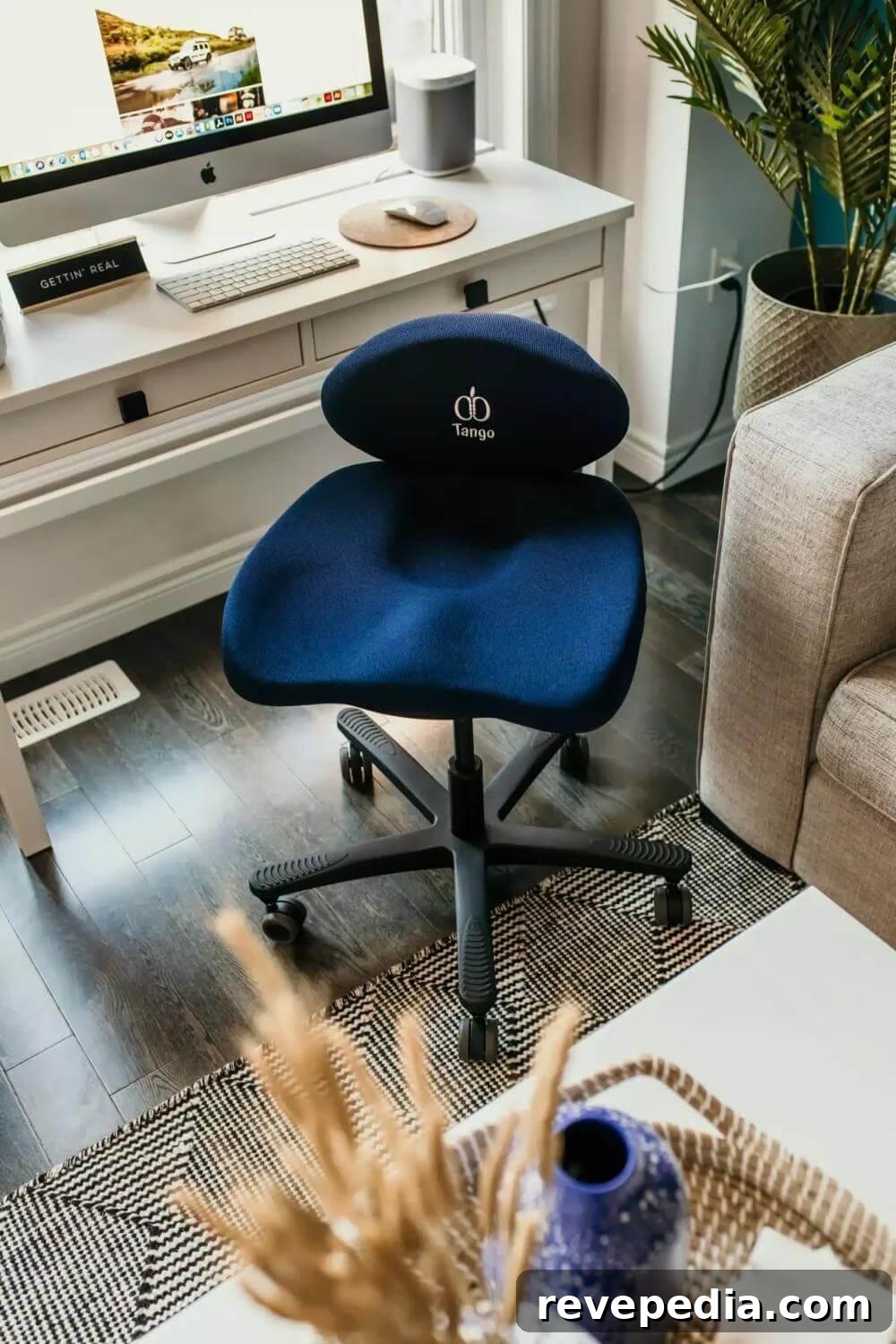
Some contemporary designs sit at the more structured end of the active-sitting spectrum. Instead of eliminating back support, they integrate a sculpted seat, pelvic stabilizer, and a controlled pivot base to encourage movement while preserving lumbar and pelvic support. That configuration seeks to deliver the engagement benefits of dynamic motion without sacrificing the sustained support needed for an entire workday.
For people with existing back pain, a chair that offers movement at the expense of support can create new problems. A supported dynamic chair aims to resolve this trade-off by combining core activation with proper structural backing.
Who Actually Benefits From This Kind of Design
The most obvious beneficiaries are people with sedentary desk jobs who notice posture deteriorating by mid-afternoon—a pattern that typically reflects postural muscle fatigue rather than a single bad habit. Workers who tried high-end static ergonomic chairs without lasting relief are also good candidates; in those cases, the problem may be the chair’s static nature rather than comfort or adjustability alone.
Home-office users shopping for a chair to manage back pain should evaluate whether a design sacrifices structural support to achieve movement. That trade-off matters significantly for people with chronic back issues. Specialists with upright, precision work—such as dental professionals or lab technicians—also benefit from seats that combine controlled movement with an upright working posture.
What to Look for Before Buying
Several practical features distinguish an effective dynamic chair from a gimmick. Look for genuine multidirectional movement that mirrors the body’s natural shifting throughout the day rather than motion limited to a single plane. Ensure the seat and lower back provide real structural support—movement without support addresses only part of the problem. A well-designed active sitting chair should deliver both movement and support.
Try a chair in person when possible, or confirm a robust return policy before purchasing online, because how a dynamic mechanism feels varies more between individuals than simple cushion firmness does. Proper adjustability for height, weight, and desk setup is essential: a poorly fitted dynamic chair can encourage awkward compensations instead of natural engagement.
Dynamic seating does not replace regular movement breaks, but it helps manage the long stretches between them—the periods when static postural loading accumulates. When comparing products, identify whether a chair is balance-based, kneeling-based, or a supported dynamic design. The movement mechanism and whether it comes at the cost of genuine support determine whether an active sitting chair will deliver meaningful ergonomic benefits.