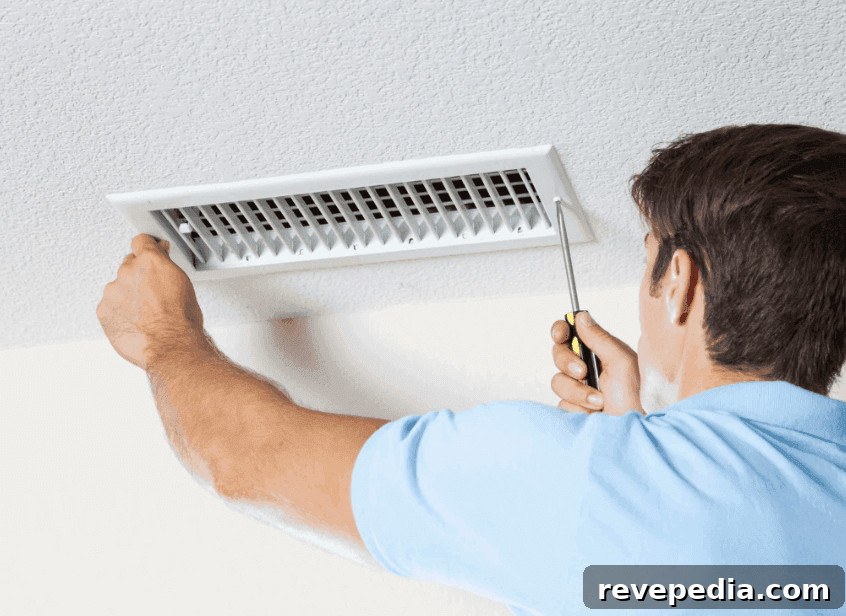
Air ducts are a vital component of your home’s heating, ventilation, and air conditioning (HVAC) system. They distribute conditioned air throughout living spaces, helping to maintain comfort while carrying away airborne particles and contaminants. Over time, dust, pollen, pet dander, and other debris can collect inside ductwork, prompting questions such as: is duct cleaning necessary, is duct cleaning worth it, and how often should ducts be cleaned?
This guide explains what duct cleaning involves, the benefits it can provide, recommended cleaning intervals, and how to decide whether professional service is a worthwhile investment in 2026.
What Is Duct Cleaning?
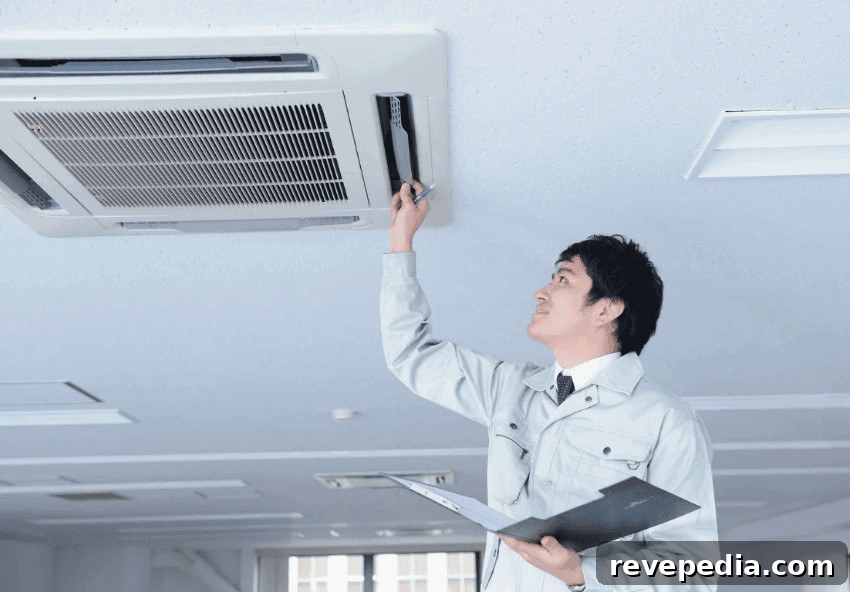
Duct cleaning is the systematic removal of dust, dirt, mold, and other contaminants from the supply and return air pathways of your HVAC system. A professional cleaning typically includes:
- Comprehensive inspection of the ductwork and components for visible buildup or damage
- Mechanical agitation with specialized brushes and air whips to dislodge accumulated debris
- High-powered vacuum extraction to remove loosened particles and prevent redistribution
- Cleaning of supply and return vents, grilles, and accessible components such as the blower and evaporator coil
- Targeted sanitizing or antimicrobial treatment when mold or persistent microbial growth is identified
When performed correctly, duct cleaning can restore airflow, help the HVAC system run more efficiently, and reduce the concentration of allergens circulating in the home.
Benefits of Duct Cleaning
Professional duct cleaning can provide several tangible benefits, though results vary by household and system condition:
- Improved indoor air quality: Removal of accumulated dust, pollen, and other particles can reduce airborne allergens and irritants.
- Increased HVAC efficiency: Cleaner ducts and components allow air to flow more freely, reducing strain on fans and potentially lowering energy use.
- Reduced odors: Eliminating trapped dust, pet dander, or microbial sources can help remove stale or musty smells.
- Relief for allergy and asthma sufferers: Lower concentrations of common triggers can make indoor air more comfortable for sensitive occupants.
That said, the degree of improvement depends on how contaminated the ducts are, the design and condition of the HVAC system, and other indoor air practices such as filter maintenance.
How Often Should You Clean Air Ducts?
There is no single schedule that fits every home. Frequency should be based on household conditions and specific indicators of contamination. General guidance includes:
- Every 3–5 years: A reasonable interval for many homes with low dust loads, no pets, and regular filter replacement.
- More frequently: Homes with multiple shedding pets, smokers, or occupants with allergies or asthma may require more frequent cleaning.
- After renovations: Construction and remodeling can send significant dust and debris into ductwork, so post-renovation cleaning is often recommended.
- When mold is detected: Any visible mold growth in ducts should prompt immediate professional attention and remediation.
- When pests are present: Signs of rodents or insects in the system call for inspection and cleaning to remove contaminants and address entry points.
Cleaning too often can be unnecessary and costly; conversely, neglecting ducts for long periods can allow buildup that affects air quality and system performance.
Is Duct Cleaning Worth It?
Deciding whether to invest in duct cleaning depends on the evidence of contamination and your household’s priorities. Consider these scenarios:
When Duct Cleaning Is Recommended
- There is visible mold growth inside ducts or on HVAC components.
- Rodent droppings or insect infestations are found in the ductwork.
- Excessive dust or debris appears regularly around vents and registers despite good cleaning habits.
- Persistent, unpleasant odors seem to originate from the ventilation system.
When Duct Cleaning May Not Be Necessary
- The HVAC system is well maintained, with regular filter changes and periodic professional service.
- Inspections reveal no significant dust accumulation, mold, or pest activity.
- Airflow is normal and household occupants do not experience increased allergy or respiratory symptoms linked to indoor air.
Routine maintenance—especially timely filter replacement and sealing or insulating duct seams—often keeps indoor air acceptable without frequent deep cleaning. Duct cleaning delivers the most benefit when there is clear, documented contamination rather than as a preventative routine in every home.
Tips for Maintaining Clean Air Ducts
- Replace HVAC filters every 1–3 months, or follow the manufacturer’s recommendations based on filter type and household conditions.
- Keep supply vents and return grilles free of dust buildup by vacuuming or dusting regularly.
- Control indoor humidity to reduce the risk of mold growth—use dehumidifiers where necessary and ensure proper ventilation in kitchens and bathrooms.
- Schedule periodic professional inspections to catch hidden buildup, damaged insulation, or leaks that invite contaminants.
- Choose certified, reputable duct cleaning professionals who use proven techniques to avoid causing damage or spreading dust.
Conclusion
In 2026, duct cleaning remains a useful service for improving indoor air quality and HVAC performance in homes that show signs of contamination or have higher dust loads. For most well-maintained homes, cleaning every 3–5 years is sufficient unless special circumstances—such as pets, smokers, mold, renovations, or pest intrusion—call for more frequent attention.
Targeted professional cleaning, combined with consistent filter replacement and humidity control, helps maintain healthy indoor air, reduces odors and allergens, and can extend the life and efficiency of your HVAC system.