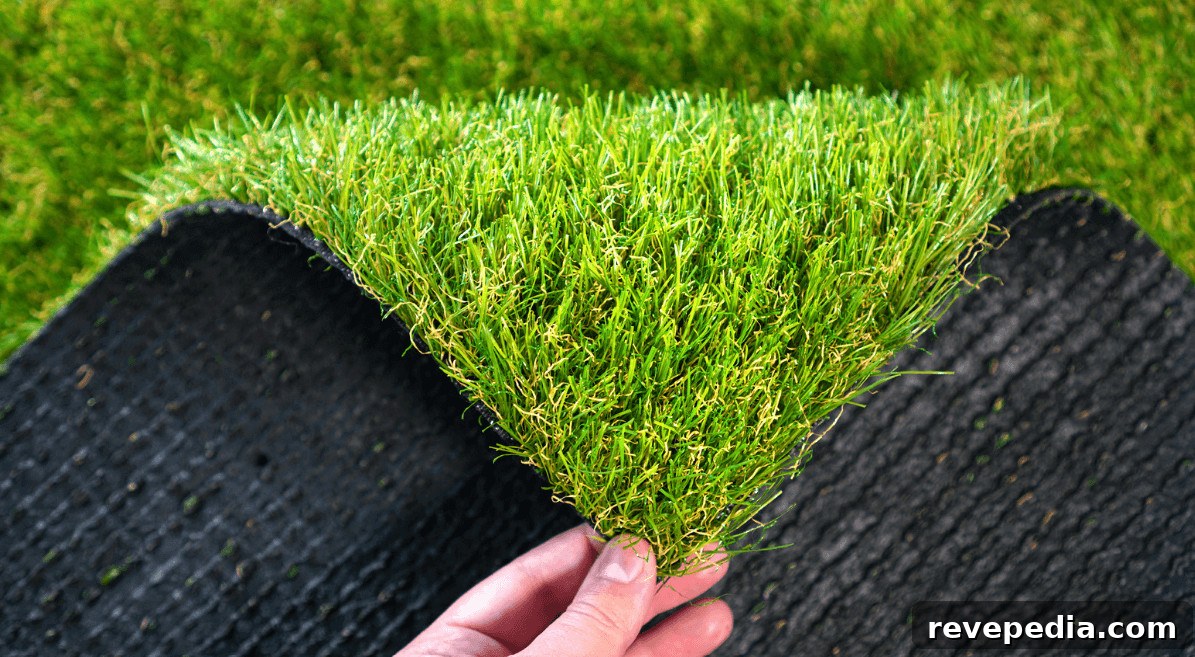
Every few years I face the same dilemma with a patch of lawn: keep fighting the grass or replace it entirely? Artificial grass often seems like the tempting solution—no mowing, no regular watering, and no fertilizer schedules. While the finished turf looks simple, many homeowners underestimate the groundwork and planning required for a durable installation. Below is a clear rundown of what a proper artificial grass job involves so you can decide whether to DIY or hire a professional.
The appeal of synthetic turf is straightforward. It eliminates the need for routine mowing, irrigation, and fertilization, which can save time and reduce water use. In dry regions, switching from natural grass to a water-efficient landscape can have a substantial impact on household water consumption. Although exact savings vary depending on the project and materials, replacing thirsty lawns can dramatically lower outdoor water use. The main trade-off is a larger upfront cost for materials and installation, which makes getting the installation right essential to protect that investment.
The Base Is the Whole Job
The visible turf is only a small part of what makes an installation successful. Longevity and performance depend mostly on the base below the turf. Proper installation requires removing existing sod and topsoil, building a layered crushed-stone base, compacting each layer, and shaping the surface so water drains away instead of collecting. Skipping or shortcutting these steps often leads to problems within the first rainy season: soft or uneven spots, depressed corners, and seams that lift or shift.
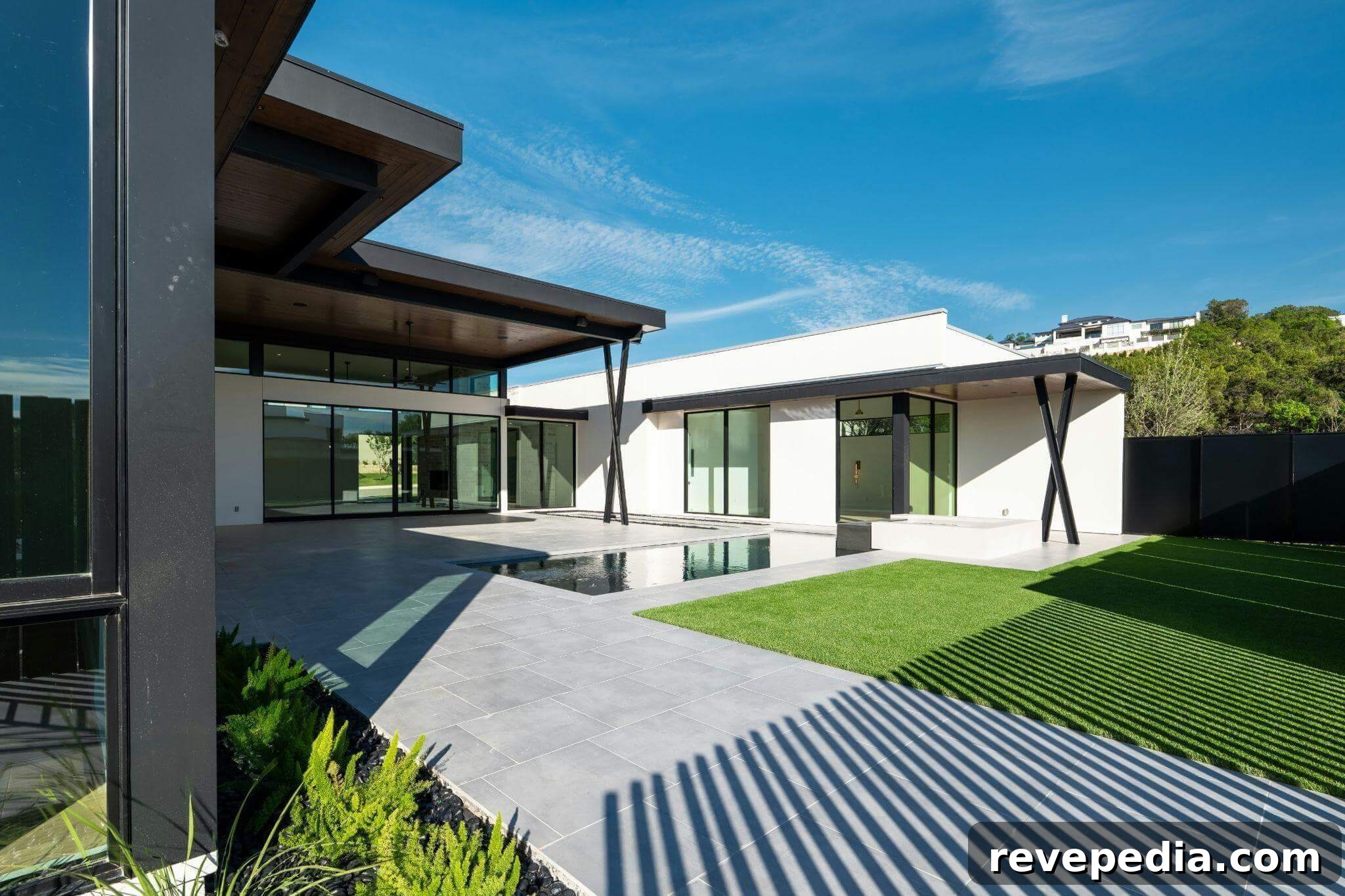
What Installing Artificial Grass Yourself Actually Involves
A careful, determined DIYer can install artificial turf on a small, flat area such as a side yard or a narrow pet strip. The basic sequence is:
• Measure and mark the area accurately
• Excavate the sod and topsoil to the proper depth
• Add crushed stone in layers, compacting each layer thoroughly
• Confirm slope and drainage with a level and a water test
• Unroll the turf, trim to fit, and align and join seams carefully
• Secure edges with stakes or nails, and add infill if specified by the product
The work is physically demanding. Renting a plate compactor or similar equipment is not optional if you want a firm, stable surface. Expect to spend a full weekend on a modest area, and plan for more time if you need to haul stone or soil by hand. The edge anchoring and seam work are where patience pays off—the difference between a professional look and one that will need fixing soon.
When It Makes Sense to Hire a Pro
Professional installation is usually the right call for larger yards, sloped sites, or properties with heavy clay soils. Clay retains moisture, so failing to plan drainage can create persistent problems. Correcting an improperly built base later is costly and time-consuming. Hire a reputable installer if your yard already has pooling or recurring drainage issues, or if the site has complex grading or landscaping features that affect water flow.
When evaluating installers, ask to see recent projects and request clear explanations of how they prepare the base and manage drainage. A qualified company will describe materials, compaction depths, edge details, and how seams are tied in. Get multiple quotes and compare the scope of work rather than basing your choice only on price.
Questions to Ask Any Installer
• What materials make up the base, and how deep will it be compacted?
• How will surface water and heavy rain be directed away from the turf?
• What kind of infill do you use, and is it safe for children and pets?
• How will the turf perform in full summer sun and high temperatures?
• What does the warranty cover—product only, labor, or both?
Keeping Artificial Grass Looking Good
Artificial turf is low-maintenance, not maintenance-free. Routine care keeps the surface attractive and functional: brush the fibers periodically to keep them upright, rinse away dust and pet waste, and remove leaves and organic debris before they break down in the infill. Inspect edges and seams at least annually and repair small gaps promptly to prevent larger failures.
Manufacturers often advertise turf lifespans of 15 years or longer, but real-world durability depends on product quality, UV exposure, intensity of use, and the level of upkeep. High-traffic zones and pet areas may wear faster, so review manufacturer warranties and product specifications rather than relying solely on advertised lifespans.
Heat is another important consideration. In direct sunlight, artificial turf can become significantly hotter than natural grass, particularly in afternoon sun during summer. If children or pets will use the area, check surface temperatures on hot days and consider creating shade, choosing turf with cooling features, or providing shaded breaks to reduce heat stress.
The Bottom Line
Replacing a lawn with artificial grass is a long-term decision where installation quality matters more than brand names. For a small, level area, a thoughtful DIY installation can be satisfying and cost-effective. For large, sloped, or poorly draining yards, investing in professional installation is usually the wiser choice. Get multiple estimates, review what each installer includes for base preparation and drainage, and select the approach that best fits your property, budget, and skill level.