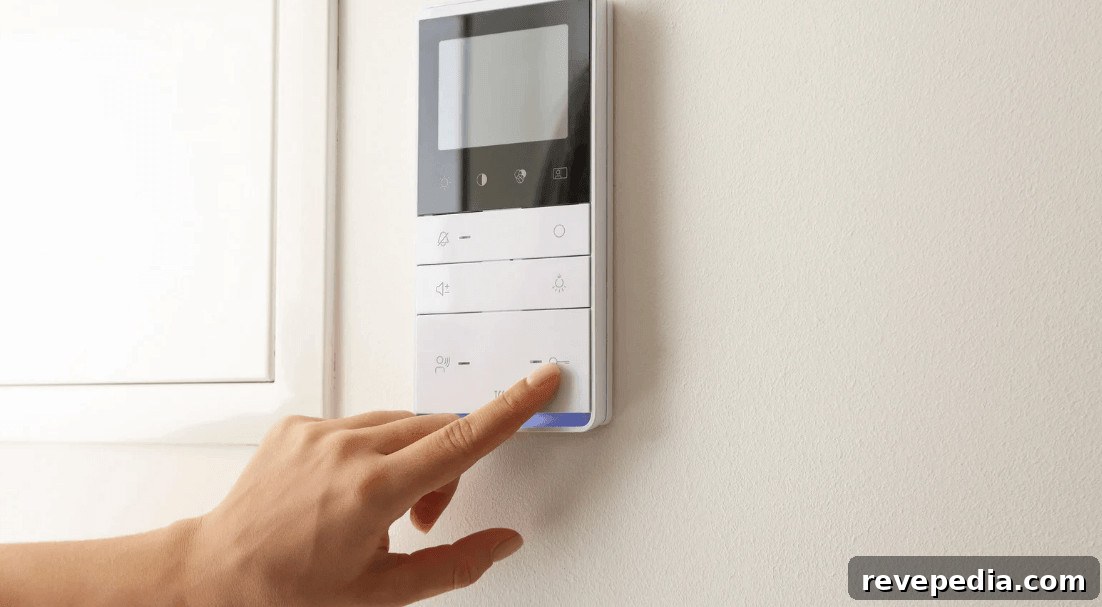
Keeping a home comfortable through changing seasons depends on a reliable, efficient heating and cooling system. Modern HVAC equipment maintains steady indoor temperatures while using less energy, helping homeowners lower monthly utility bills and enjoy a more consistent living environment. Thoughtful equipment choices and scheduled maintenance deliver long-term savings, with options that range from swapping a thermostat to replacing an entire system for optimal year-round comfort.
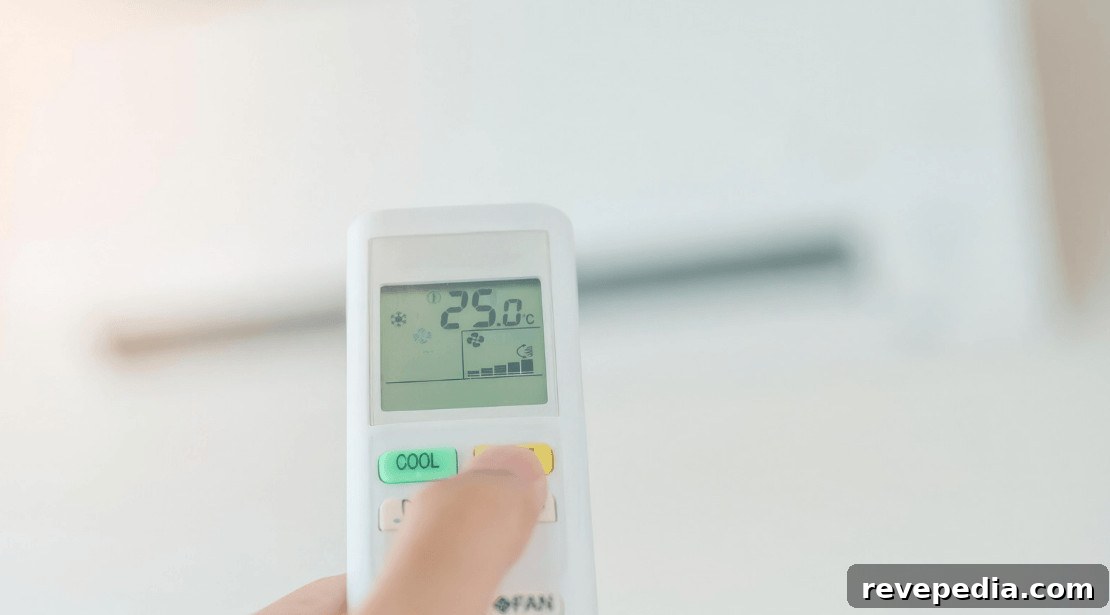
Understanding Modern High-Efficiency Heating Systems
Heating technology has advanced considerably in efficiency and comfort control. Today’s systems provide precise temperature regulation, quieter operation, and better energy performance than older models. Upgrading to a high-efficiency heater or heat pump can significantly reduce monthly energy costs while improving indoor comfort during cold months.
Heat pumps are among the most energy-efficient options because they move heat rather than generate it by resistance. Many studies show that heat pumps can use roughly half the energy of traditional electric resistance heating, immediately lowering electricity consumption when replacing outdated units. Matching system capacity to your home’s requirements is essential: oversized units short-cycle and waste energy, while undersized systems struggle during extreme cold.
- Heat pumps transfer heat instead of producing it via resistance.
- Variable-speed blowers adjust airflow to actual demand, improving comfort.
- Reduced electricity use translates directly to lower utility bills.
- Modern systems tend to run more quietly, improving indoor living conditions.
New heating units also include intelligent sensors and controls that optimize performance automatically. That reliability during severe cold spells, combined with improved efficiency, results in more consistent warmth and lower operational costs for homeowners.
Partnering With a Licensed Contractor for Installation
Installing HVAC equipment requires professional skill and specialized tools. Licensed technicians assess factors such as home size, duct layout, insulation quality, and local climate before recommending suitable replacement equipment. Accurate sizing and correct installation ensure efficient operation and extend equipment lifespan.
Professional installers prevent common mistakes in system selection and setup. Working with an experienced HVAC contractor helps ensure that the system meets manufacturer specifications and local building codes. Proper installation reduces the risk of air leaks, electrical problems, and premature component wear.
After installation, technicians typically test airflow balance, refrigerant charge, and thermostat operation to confirm optimal performance. A correct setup provides predictable comfort, improved efficiency, and peace of mind for homeowners.
Improving Indoor Air Quality Through Filtration Upgrades
Indoor air quality affects comfort and health. Without adequate filtration, dust, pollen, mold spores, and pet dander accumulate in sealed living spaces. Upgrading to high-performance air filters captures finer particles before air recirculates, improving overall air quality throughout the house.
Filter efficiency is measured by ratings like MERV; higher-rated filters trap smaller contaminants that standard fiberglass filters miss. Homeowners aiming to reduce allergens and airborne particles should consider filters rated MERV 13 or higher where compatible with the HVAC blower. Regularly replacing filters maintains consistent airflow and protects internal components from dust buildup, reducing the likelihood of overheating and mechanical failure.
Implementing Advanced Ventilation and Automation Controls
Balanced ventilation brings fresh outdoor air indoors while minimizing unwanted heat loss or gain. Heat and energy recovery ventilators reclaim thermal energy from exhausted air, reducing the heating or cooling load. These systems maintain indoor air freshness across seasons without large temperature swings.
Retrofitting homes with smart controls, demand-controlled ventilation, or building automation systems optimizes energy use based on occupancy and air quality data. Automation can reduce ventilation when rooms are unoccupied and increase fresh air when needed, cutting energy waste while preserving healthy indoor conditions.
Sealing Ductwork to Prevent Air Leakage
Ductwork delivers conditioned air to rooms; leaks in seams or joints allow heated or cooled air to escape into attics or crawlspaces. Leaky ducts create uneven temperatures, force equipment to run longer, and waste energy.
Professional duct sealing with mastic or UL-approved metal tape closes gaps and restores proper airflow. Sealed ducts improve temperature balance, reduce runtime, prevent dusty attic air from entering living areas, and lower strain on fan motors and other mechanical components.
- Sealing ducts balances temperatures across all floors.
- Reduced air loss shortens heating and cooling cycles.
- Sealed systems keep attic dust and allergens from entering living spaces.
- Proper airflow lowers stress on blowers and extends equipment life.
Upgrading Thermostats for Smart Home Energy Savings
Modern programmable and smart thermostats give precise daily temperature control and learn household routines to optimize schedules. Setbacks during sleep or away periods cut heating and cooling costs. Remote access via smartphones allows owners to adjust settings on the go, preventing unnecessary run time while away from home.
Smart thermostats also provide maintenance alerts—like filter-change reminders—and energy reports that help track consumption. Zoned control systems enable different temperatures in separate areas, reducing energy use in unoccupied spaces and improving comfort where it matters most.
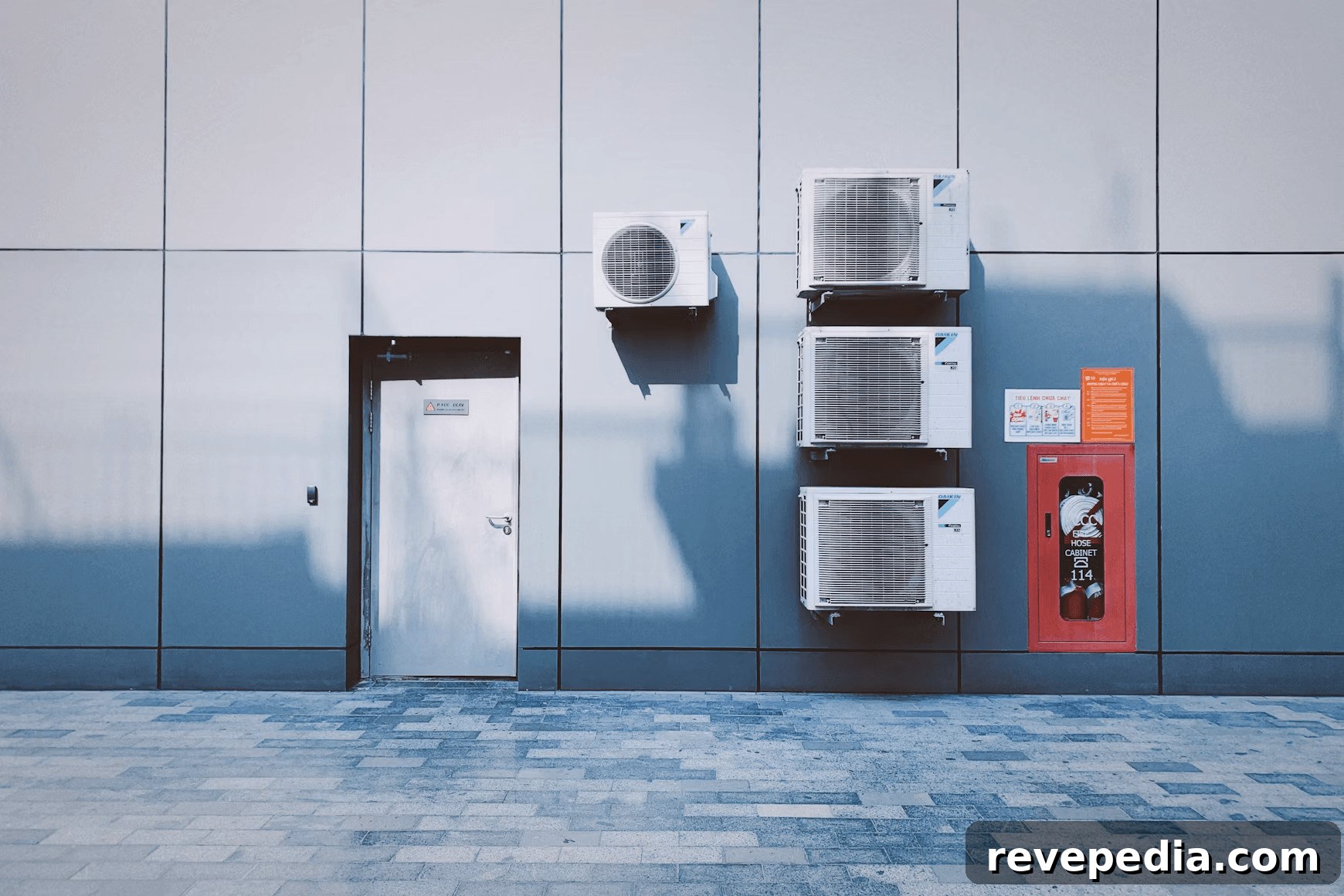
Managing Humidity Levels for Year-Round Indoor Comfort
Humidity plays a major role in perceived comfort and energy use. High summer humidity makes interiors feel warmer, forcing air conditioners to run longer. Whole-home dehumidifiers remove excess moisture without excessive cooling, improving comfort and reducing AC runtime.
Conversely, low winter humidity causes dry skin, static electricity, and can damage wood floors and furnishings. A whole-house humidifier integrated into ductwork distributes moisture evenly, allowing occupants to feel comfortable at lower thermostat settings and protecting building materials from cracking or warping. Maintaining relative humidity between about 30% and 50% year-round supports comfort, preserves materials, and reduces HVAC workload.
Investing in thoughtful HVAC upgrades—efficient heating systems, improved filtration, duct sealing, smart controls, and humidity management—yields tangible benefits: better indoor air quality, more consistent comfort, and lower energy bills. Planned upgrades and professional installation deliver reliable performance through hot summers and cold winters while producing lasting savings and a healthier home environment.