
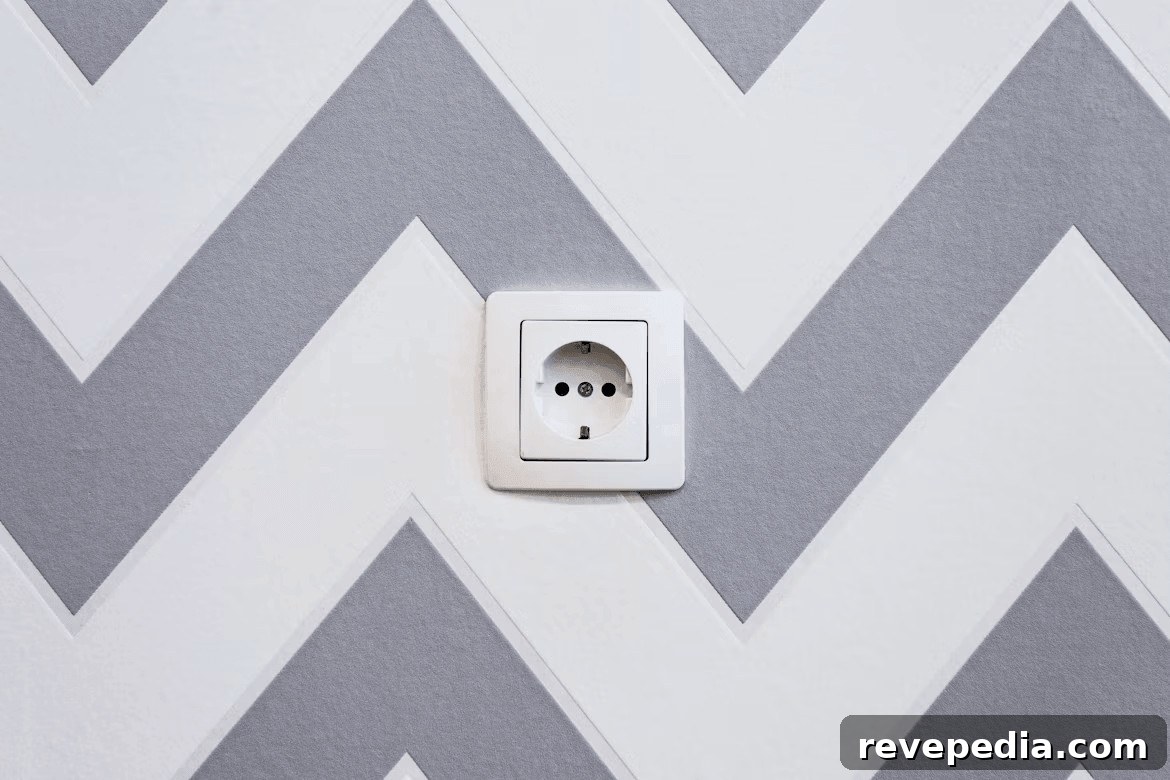
A well-designed room often feels balanced before you can describe why. Furniture fits the space. Lighting complements the architecture. Colors, textures, and finishes all support a unified aesthetic.
Then heating enters the picture.
Traditional heaters can occupy valuable floor space, limit furniture placement, or become one of the first things you notice when you enter a room. For years many homeowners accepted this tradeoff because warmth often mattered more than appearance.
That compromise is becoming less necessary.
Wall-mounted electric heating panels offer a way to warm a room without letting the heating system dominate the design. For homeowners planning renovations or updating carefully curated interiors, choosing wall-mounted electric panels lets heating become an integrated element of the room rather than an afterthought.
The result is simple: comfort and design can work together.
Warmth Changes How a Room Feels
Interior design is more than visual artistry. A room can look polished and still feel unwelcoming if the temperature is wrong.
Temperature strongly influences how people experience space. A living room with excellent lighting, thoughtfully chosen furniture, and a cohesive palette may still feel inhospitable if it’s cold. Comfortable temperatures encourage people to sit, relax, and spend time in a room.
When heating becomes part of the architecture rather than a separate mechanical detail, the space feels more complete. The objective is not to make the heater the focal point; it’s to make the room feel right.
Why Wall-Mounted Heating Works With Modern Interiors
Good design often means removing unnecessary distractions. Wall-mounted electric panels support that approach by minimizing floor footprint. Instead of placing a freestanding heater beside a sofa or in the middle of a room, a heating surface sits close to the wall, freeing up usable floor space.
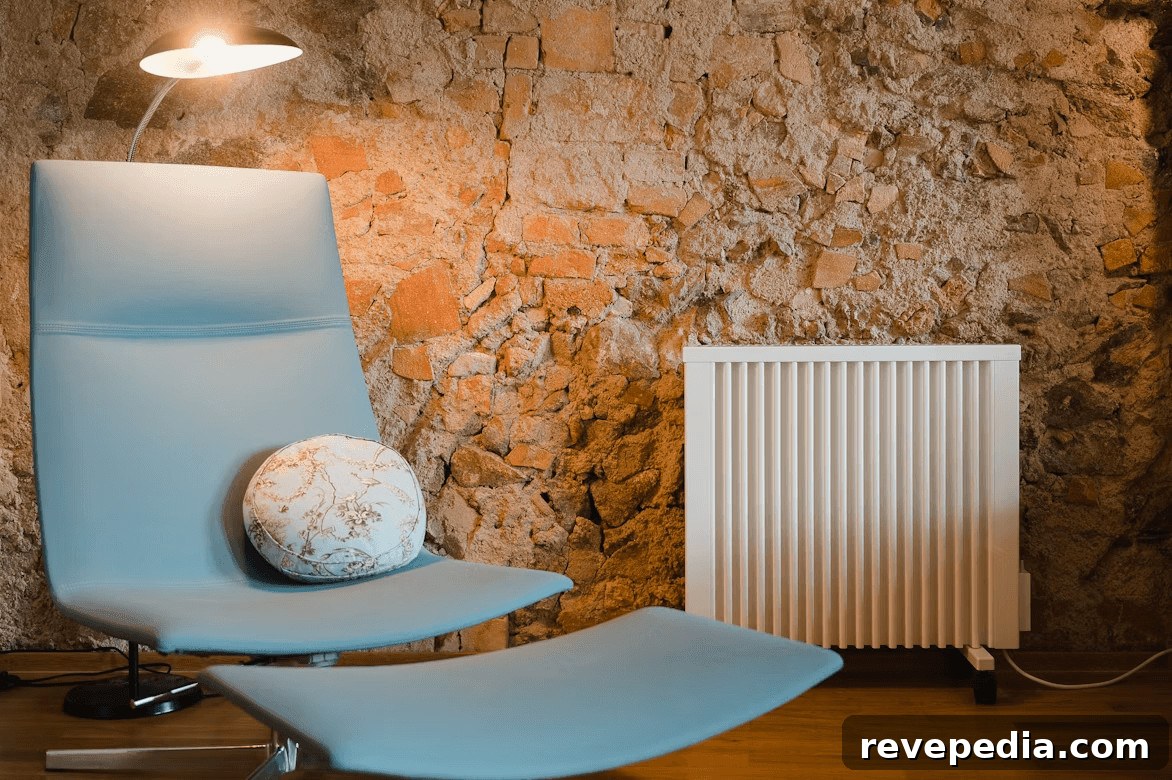
Keeping heating close to walls opens up more furniture arrangements and helps rooms feel less crowded. In smaller homes, apartments, bedrooms, home offices, and narrow living spaces every square foot matters. A system that tucks neatly into the wall gives homeowners greater flexibility with layout while still delivering effective warmth.
Less Visual Clutter Can Make a Room Feel Larger
Clutter is more than objects on shelves. Bulky appliances or equipment that protrudes from walls increases visual weight and can make a room feel smaller than it is. Reducing that weight creates a cleaner, more intentional space.
When heating moves away from the floor, artwork, rugs, lamps, and architectural details get more attention. Clean wall lines make furniture appear better placed, and more open floor space improves circulation. A heating solution that blends with the interior lets the elements you want noticed take center stage.
The Psychology of Visual Warmth
Physical temperature is only one aspect of perceived warmth. Designers use materials, colors, lighting, and texture to create visual warmth: wood, natural fabrics, warm neutrals, layered textiles, and soft lighting all contribute.
Actual room temperature supports that visual effect. A bedroom designed for rest benefits from gentle, steady warmth; a living room with deeper colors and layered fabrics becomes cozier when the room is physically comfortable; a home office needs a stable, comfortable environment to support focus. Heating should reinforce the intended mood of each space.
Minimalism Does Not Mean Removing Personality
Minimal interiors are not synonymous with emptiness. Thoughtful minimalism gives key pieces room to breathe. When fewer functional objects compete for attention, art, furniture, and architectural details stand out.
Wall-mounted heating fits this philosophy by keeping floors clear and providing visual breathing space. That doesn’t mean a room must feel sterile—rugs, timber furniture, textured textiles, and warm lighting provide character while heating remains unobtrusive.
Heating as Part of the Architectural Plan
Heating choices are often postponed until late in a renovation, which can create design conflicts when a heater needs to occupy a planned feature wall or floor area. Thinking about heating early enables better coordination with furniture placement, wall finishes, lighting, windows, and room proportions.
Framing the question as “Where should the heating go so the room still functions the way we want?” produces a more integrated result. A small shift in planning can make the finished space feel deliberately designed rather than compromised.
Designing Around What You Do Not Want to Notice
The most successful design often makes certain elements invisible in daily life: lighting should illuminate without calling attention to fixtures; storage should hide clutter without dominating walls; heating should provide comfort without forcing other elements to work around it.
Integrated design supports this calm, purposeful approach. Wall-mounted panels let rooms stay visually simple while delivering warmth where required, allowing attention to remain on the features you intentionally highlight.
Small Rooms Benefit Most From Careful Heating Placement
Placement becomes more important as space tightens. Small bedrooms, compact living rooms, and multifunctional home offices must accommodate beds, seating, storage, and circulation. Bulky heating appliances complicate furniture planning.
Wall-mounted systems reduce that pressure and improve movement through a space. Thoughtful placement ensures people can move naturally without weaving around heaters and furnishings.
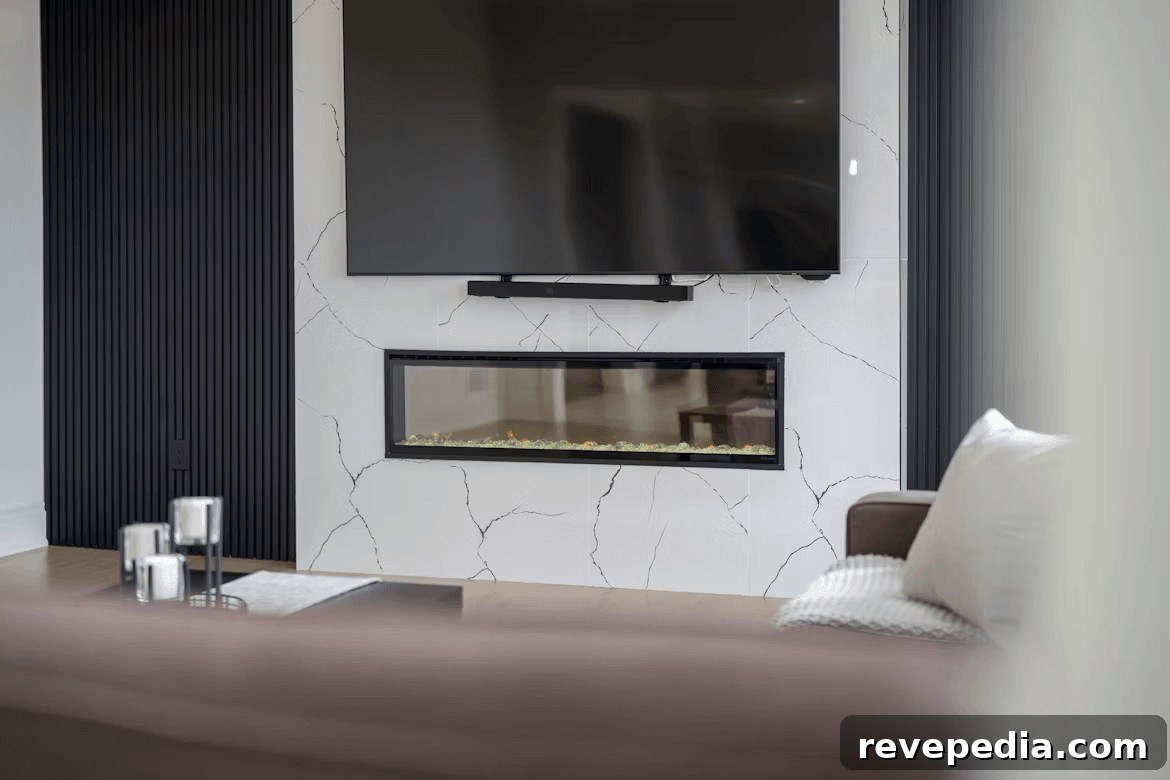
Think About the Whole Wall Before Installation
Even with a small visual footprint, panel location matters. Consider artwork, outlets, switches, windows, curtains, shelving, and potential future furniture arrangements before installing. A wall that is empty today may hold a sofa, desk, or cabinet later.
Plan around these details to prevent the heating system from becoming an obstacle. Follow manufacturer installation guidance and use qualified professionals for electrical work—design should never compromise safety.
Comfort Should Support How You Use the Room
Every room has a purpose, and heating should reflect that. Bathrooms often need short bursts of extra warmth; home offices require steady comfort for long hours; guest rooms might only need intermittent heating. Choosing the right type, size, and placement of heating based on actual use is more effective than selecting solely on appearance.
Good design solves both functional and aesthetic problems simultaneously.
Warmth With a Lighter Visual Footprint
Homeowners will always seek spaces that feel comfortable, calm, and easy to live in. Heating plays a key role in achieving that. Wall-mounted electric panels deliver warmth while preserving floor space and reducing the visual impact of heating equipment, making them a strong option for renovations, new builds, or interior updates where clean lines and flexible furniture placement are priorities.
When heating is planned alongside lighting, furniture, finishes, and layout, it becomes part of the room’s architecture rather than an afterthought.